AZE.US
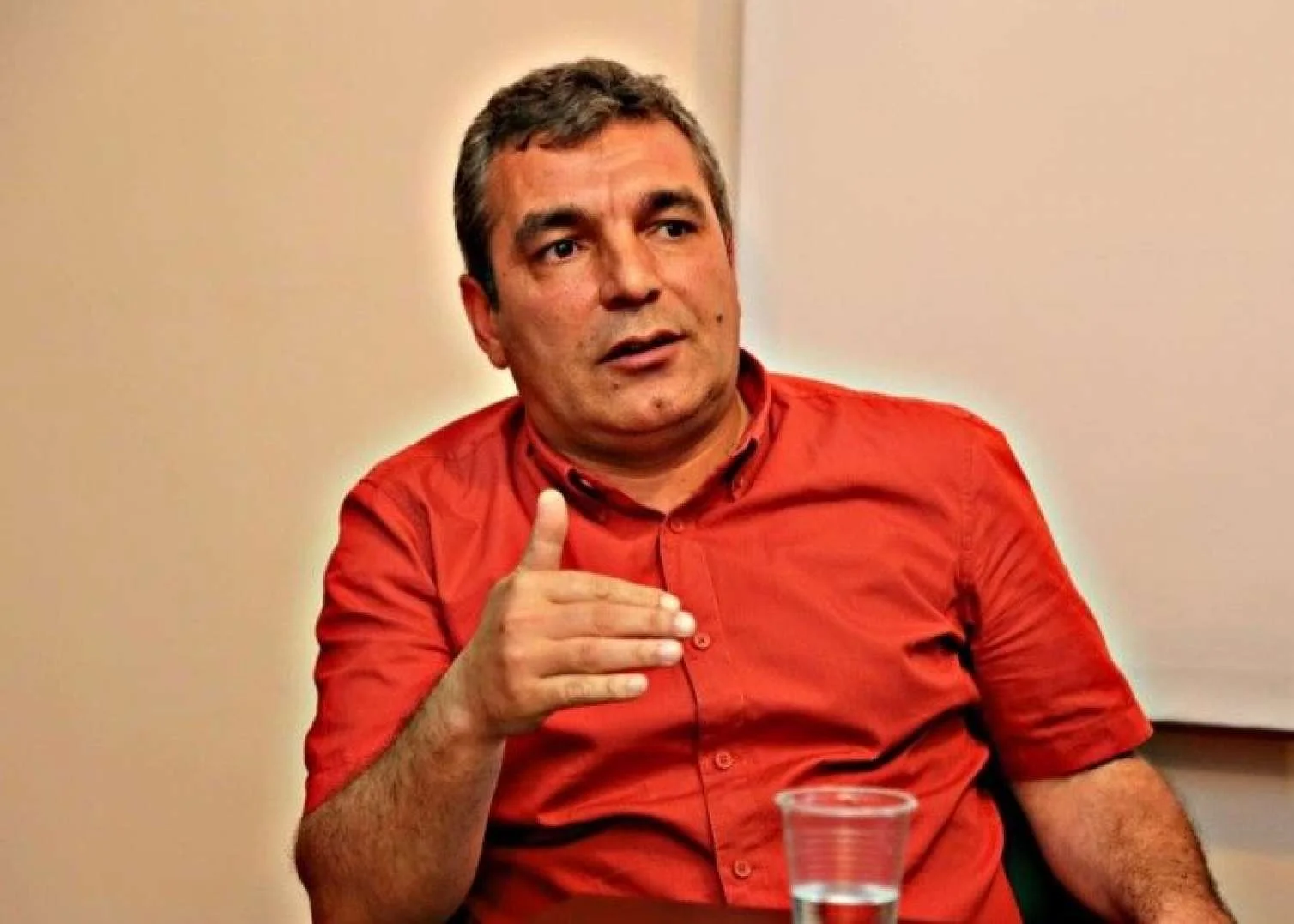
REAL party chairman Natig Jafarli has warned that Iran should not follow what he called Ukraine’s path, saying Tehran risks paying a heavy price if it delays an agreement with the United States and places too much faith in outside backers. He made the remarks in a video message posted on Facebook after the latest U.S.-Iran talks in Islamabad ended without a result.
Jafarli argued that the breakdown in negotiations has increased uncertainty over what comes next and opened the door to sharply different scenarios. In his view, the main danger for Iran is that it could allow itself to become part of a larger geopolitical game driven by other powers rather than by its own national interest.
Drawing a parallel with the Russia-Ukraine war, Jafarli said Kyiv had earlier opportunities to stop the war with fewer losses, but chose instead to continue under the influence of outside actors. He claimed that decision led to far worse consequences for Ukraine over time, including heavy human losses, large-scale destruction and a much weaker negotiating position later on.
At the same time, Jafarli said U.S. and Israeli attacks on Iran were illegal and amounted to a brutal assault on the country’s sovereignty and infrastructure. But he added that moral condemnation alone does not solve the practical problem now facing Tehran. In his telling, Iran’s leadership must act based on state interest, not emotion or outside encouragement.
He argued that Iran should be careful not to become a proxy for China and Russia, saying both countries may benefit from seeing the United States dragged deeper into a costly confrontation. According to Jafarli, neither power is guided primarily by the interests of the Iranian people, and both could ultimately use Iran as a bargaining chip in wider negotiations with Washington.
Jafarli also criticized any attempt to justify closing the Strait of Hormuz, saying the waterway is not Iran’s internal waters but an international shipping route whose disruption would harm several regional states. In his view, trying to use Hormuz as leverage would be both strategically mistaken and damaging to others in the region.
His central message was that Iran still has time to avoid a deeper disaster. Jafarli said he hoped Tehran’s leadership would recognize the limits of outside support, return to a pragmatic line and seek an understanding before the country is pushed into even greater losses. He added that any new escalation would hurt ordinary people first, including millions in Iran with close ethnic, cultural and family ties to Azerbaijan.