AZE.US
Azerbaijan’s car market has moved in the opposite direction from what many expected at the start of the year.
After tax incentives for hybrid and electric vehicles were removed, the market had widely anticipated a noticeable rise in prices, especially for Chinese-made models that have become increasingly common on local roads. Some forecasts pointed to an increase of at least 20%. But the real market has produced a different outcome: instead of rising, prices on some vehicles have fallen.
According to observations cited in the report, some of the most popular Chinese cars are now being offered for 1,000 to 2,000 manats less than they were at the end of last year.
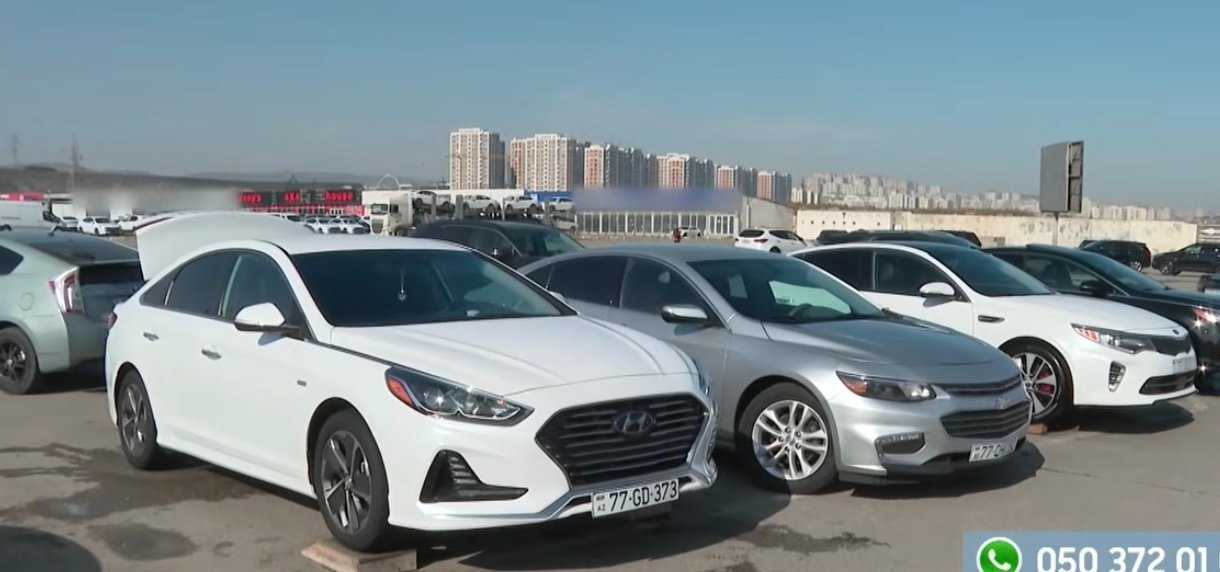
Eyub Aliyev, chairman of the Azerbaijan Automobile Dealers Association, said the main reason is a glut of supply. Over the past two years, large numbers of cars were brought into the country through parallel imports, including by small sellers and private individuals rather than only official dealers. He said the process peaked last year as people rushed to bring in vehicles before the preferential regime ended.
That wave of imports, he said, eventually pushed supply well beyond demand. Investors and sellers who had grown used to flipping imported cars within days suddenly faced a much colder market.
Sales weakened in January, nearly stalled in February, and by March market prices had started to fall sharply. As investors sought to recover their money, many pushed sellers to offload vehicles quickly, even at cost.
The result is a market that looks almost upside down. Tax conditions became less favorable, but prices did not rise. Instead, many sellers began cutting prices simply to free up cash and exit the market.
Aliyev believes the trend may be temporary. Once current inventories are exhausted and new shipments begin arriving under the revised customs and tax conditions, the market could start moving upward again.
Economist Emin Garibli of UNEC gave a similar explanation, saying importers had built up large stocks in advance after learning tax changes were coming.
Those reserves are still weighing on prices. He also noted that some cars were imported by individuals, who were able to sell more competitively because the VAT burden did not apply to them in the same way.
But the current reprieve may not last. Garibli said future price dynamics will depend on several broader factors, including possible tax increases in Azerbaijan, higher logistics and transport costs amid global geopolitical tensions, and any reduction in subsidies from China. If those factors intensify, the current decline could prove short-lived.
For now, though, Azerbaijan’s car market is going through a rare phase: not a shortage, not a price spike, but an oversupplied market where some vehicles are suddenly selling for less than many expected just a few months ago./Kaspi