AZE.US
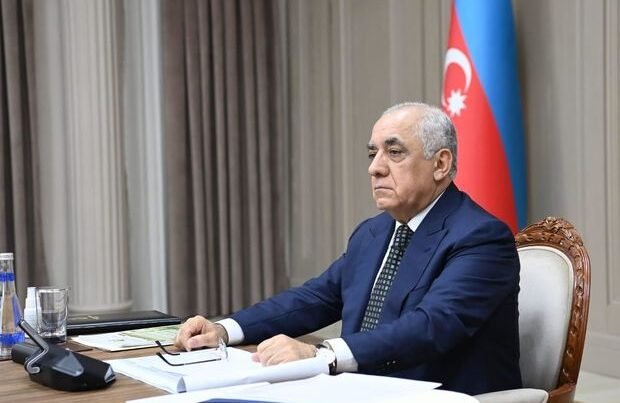
A new publication in Azerbaijan has put Prime Minister Ali Asadov at the center of a growing controversy over alleged business interests, high-value real estate and construction assets in some of Baku’s most expensive locations. The report, which is already drawing attention in Russian- and Azerbaijani-language media space, portrays Asadov not simply as a senior state official, but as a figure allegedly linked to a broad network of restaurants, hotels and development projects.
The sensitivity of the story lies not only in the list of properties itself, but in the wider political context. For years, President Ilham Aliyev has publicly demanded professionalism, modesty, legal discipline and clean conduct from state officials, repeatedly warning against corruption, abuse of office and the use of public power for personal gain. The new publication places the allegations around Asadov directly against that standard.
According to the article, properties associated with Asadov include the well-known Manqal restaurant facing Flag Square, the neighboring Beer Hall venue, another Manqal complex in Zagulba, the Narsharab restaurant in Bibiheybat, the Sapphire hotel and the Ocaqbaşı restaurant in Bayil.
The publication argues that these are not minor commercial assets, but high-profile facilities whose value, in Baku’s property market, could run into the tens of millions of manats.
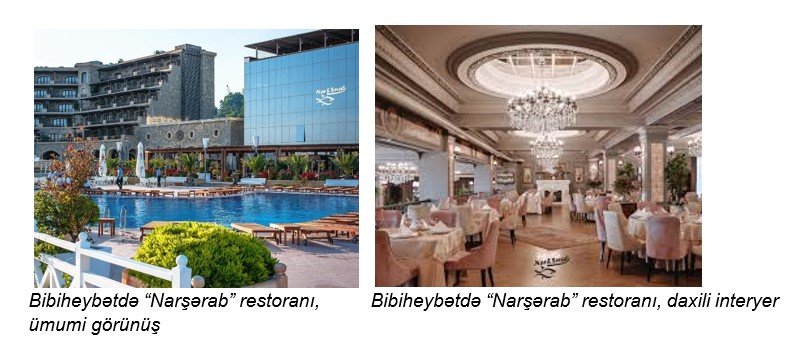
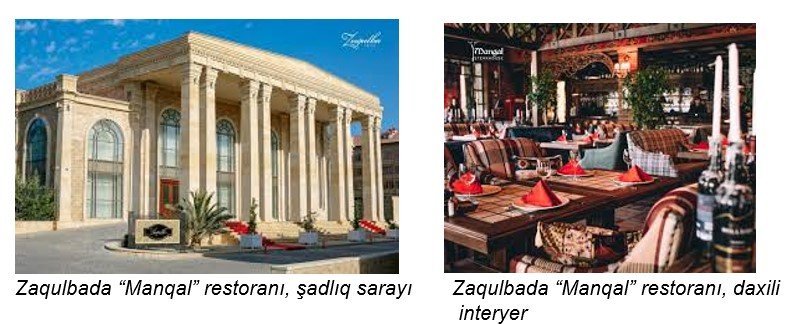
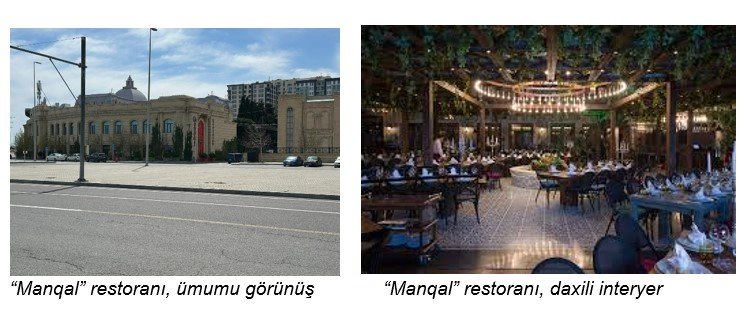
The report goes further, listing an office building in Sabail district, a non-residential property in Khatai district, residential projects tied to several development companies, and multi-story buildings in Bayil. It also cites claims that the price per square meter in one of the Bayil properties reaches 17,000 manats, underscoring the scale of the alleged holdings.
The publication also touches on one of the most politically sensitive aspects of construction-linked wealth in Azerbaijan: its possible social cost. It argues that large projects connected to powerful figures can at times lead to pressure on residents, demolition disputes and conflicts over private property. As one example, the article references a case in Narimanov district in which a citizen allegedly complained of pressure linked to a construction project associated with Asadov.
Beyond property and money, the text also makes broader political accusations. It claims that Asadov has used favored journalists to leak information and shape pressure campaigns against officials with whom he has had conflicts inside the system. In that sense, the article frames the issue not merely as one of wealth, but as part of an older model of bureaucratic influence in which power, media channels and private interests intersect.
That is part of what makes the story especially significant. The office of prime minister is one of the most senior posts in Azerbaijan’s state hierarchy, and allegations of this scale inevitably resonate more strongly than similar claims involving lower-ranking officials. The publication itself draws a contrast with former Prime Minister Artur Rasizade, arguing that no comparable list of assets ever surfaced around him.
In Azerbaijan’s political environment, articles of this kind are rarely viewed as routine media noise. They are often read as indicators that a figure’s position inside the system may be weakening, or that internal struggles have moved into the open. Whether this report remains a reputational blow or signals something larger will depend on what follows. For now, however, the publication has clearly raised a question that goes beyond one official: where does public service end, and where does personal empire begin?