Aze.US
Beekeepers report sharp colony losses linked to parasites, viral infections, and declining treatment effectiveness, with potential risks for crop pollination and food production.
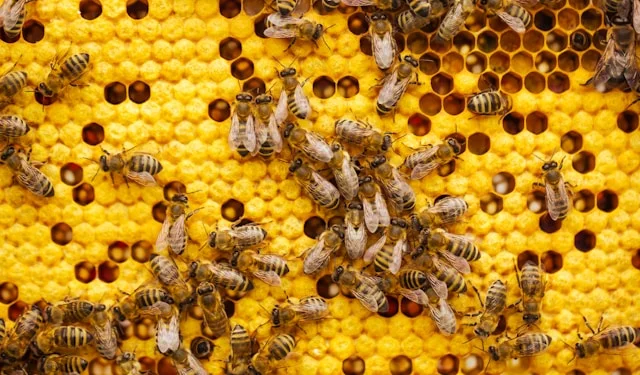
Reports of mass bee deaths in parts of Azerbaijan have triggered growing concern among beekeepers and agricultural specialists, who warn the trend could affect both honey production and wider crop yields.
In several villages, beekeepers say previously healthy colonies have weakened rapidly, with some hives abandoned entirely within days. Significant losses have already been recorded in certain apiaries, raising fears about the sustainability of future harvests.
According to Elvin Bayramli, press secretary of the Azerbaijan Beekeepers Association, the primary drivers are the Varroa mite and associated viral infections spreading within bee populations.
He noted that in recent years parasites have developed resistance to commonly used treatments, reducing the effectiveness of disease control measures.
Specialists say mites can destroy a colony within roughly two months, while virus transmission may accelerate collapse to as little as 20-30 days, leaving hives empty.
Experts outline two main mitigation strategies:
creating a broodless period followed by post-harvest treatment, and applying organic acid-based therapies to infected colonies. Without combined intervention, large-scale bee mortality may continue.
Beyond honey production, the decline in bee populations poses a broader agricultural risk, as pollination by bees is essential for the development of many fruit, vegetable, and crop species.
A sustained reduction in bee numbers could therefore translate into lower yields and wider food-system pressure in the coming seasons.