AZE.US
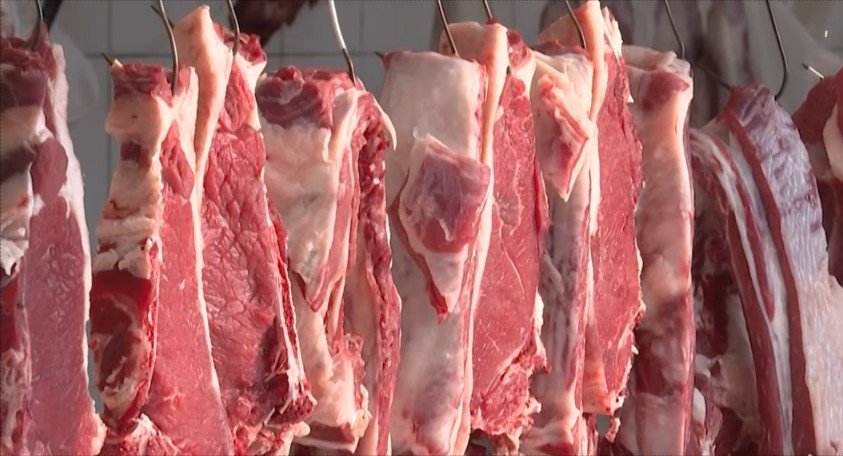
Azerbaijan is importing more meat, but that has not brought relief for consumers. Prices in shops and butcher stalls are still climbing, while farmers say livestock breeding is becoming less and less profitable.
According to the State Customs Committee, Azerbaijan imported 12,200 tons of meat worth $28.6 million in January-March 2026. That was 15.3% more than in the same period last year.
Despite the increase in imports, sellers in Baku say retail prices have continued to move higher. In some butcher shops, meat prices have risen by around 1 to 1.5 manats.
Beef is now commonly sold for 16 to 18 manats per kilogram, while lamb is typically priced at 21 to 22 manats, although cheaper offers can still be found in some places.
Farmers in the regions say the pressure is coming from the cost side. Feed, barley, hay and alfalfa have all become more expensive, making it harder to keep animals through the winter and still make a profit. Some say alfalfa now costs around 7 to 8 manats, adding to the burden on already strained small farms.
That is beginning to reshape the market. Farmers say small livestock operations are gradually disappearing because the business no longer pays. Rising costs for machinery, seed, planting and feed have left many households unable to maintain previous herd sizes.
Economist Khalid Kerimli says the rise in meat imports is being driven by stronger demand and a decline in domestic livestock numbers. He says the number of small ruminants has fallen by about 25% over the past decade, while cattle numbers have also declined. That, in turn, has reduced the amount of meat reaching the domestic market and added upward pressure on prices.
As local production weakens, Azerbaijan is relying more heavily on foreign supplies. Frozen sheep meat is imported mainly from Mongolia. Live sheep and goats are brought in mostly from Georgia, Russia and Kazakhstan. Frozen beef comes from Ukraine, Russia and Brazil.
The bigger picture is straightforward: imports are rising not because the market is getting cheaper, but because domestic production is struggling to keep up.
AZE.US