AZE.US
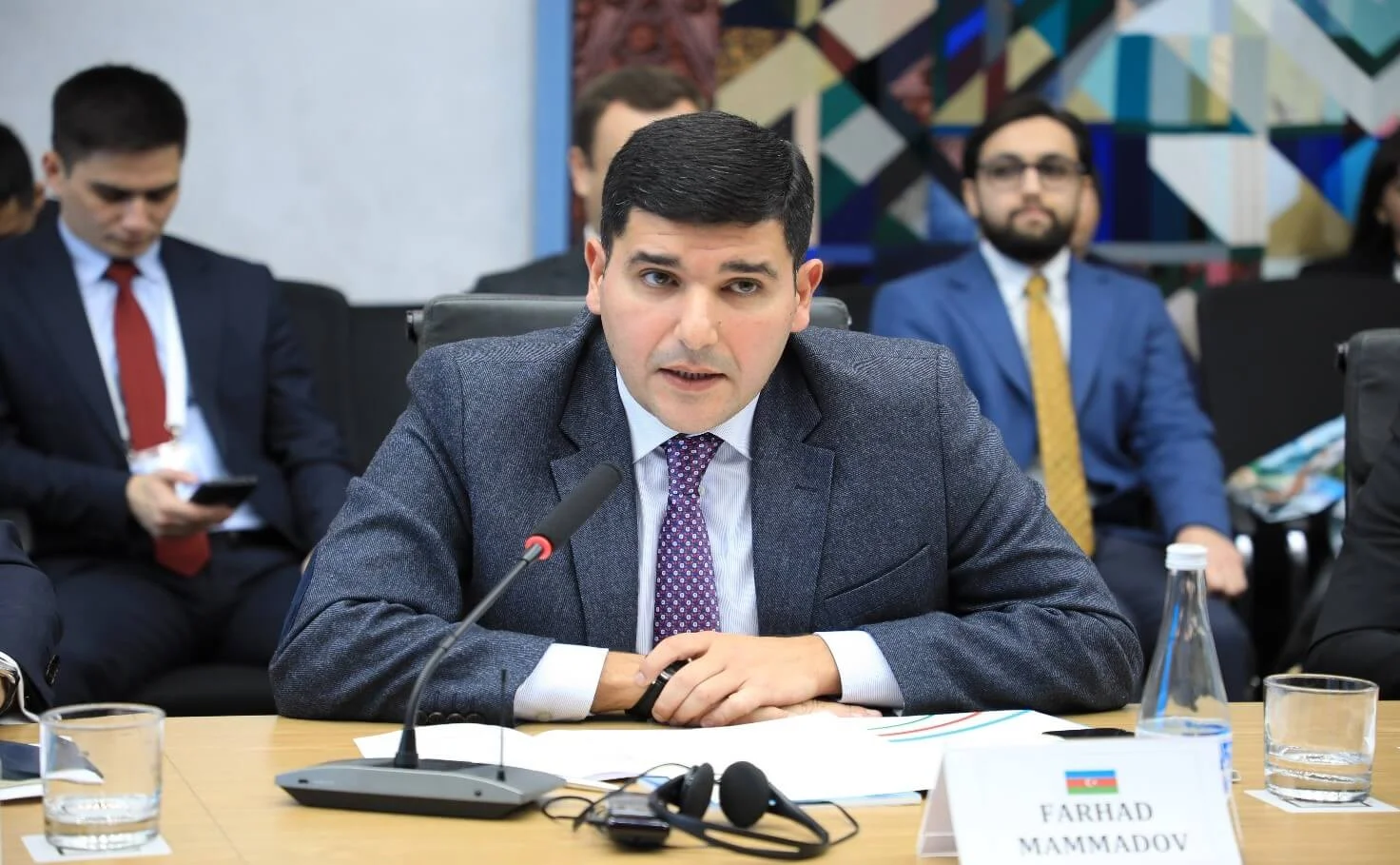
The European Parliament’s actions on the Armenia-Azerbaijan agenda are damaging the peace process and weakening trust in European institutions in Baku, Farhad Mammadov, chairman of the Center for South Caucasus Studies, said in an interview on the YouTube channel Novosti Kavkaza.
Mammadov said Europe remains an important economic and trade partner for the South Caucasus. But he argued that the European Union’s political institutions have failed to build a coherent regional policy and are increasingly creating problems for themselves in Azerbaijan.
You May Like
Ocampo Let It Slip: Who Opens Doors For The Armenian Lobby In Brussels
According to him, the main issue is the European Parliament’s continued use of language and resolutions that keep the Karabakh topic in the political agenda. Mammadov said this comes at a time when Armenia’s own government is trying to close the Karabakh movement as a political factor and move toward a peace agreement with Azerbaijan.
In his view, that contradiction works against Armenian Prime Minister Nikol Pashinyan rather than in his favor. Mammadov argued that when the European Parliament continues to raise Karabakh-related issues, it gives ammunition to the same forces that oppose normalization between Armenia and Azerbaijan.
“European deputies, together with Putin, are against Pashinyan,” Mammadov said, describing what he sees as the political effect of the latest European moves.
He said the content of recent European Parliament resolutions overlaps with the rhetoric of pro-Russian opposition groups in Armenia and Russia itself. According to Mammadov, this makes the European Parliament’s position not only anti-Azerbaijani, but also harmful to the peace process.
Mammadov also criticized the EU monitoring mission in Armenia. He said the original mission was presented as a short-term arrangement, but was later extended without taking Azerbaijan’s position into account. Baku, he said, saw that as a breach of trust.
He argued that the EU’s bilateral relations with Armenia should remain just that — bilateral. Brussels, he said, can support Armenia, invest in Armenia and help Yerevan in its domestic or geopolitical disputes. But it should not constantly bring Azerbaijan into that agenda.
“If you want to develop relations with Armenia, do it in a bilateral format. Do not mention Azerbaijan,” Mammadov said.
He said Azerbaijan is not opposed to cooperation with Europe. On the contrary, he described the EU as a potentially important element in the region’s economic and strategic balance. Energy, transport, green energy, digital connectivity and access to Central Asia all remain areas where Azerbaijan and European countries can work together.
But Mammadov drew a sharp distinction between cooperation with individual European states and the role of EU institutions. He said Baku should continue pragmatic ties with European countries, especially where there are concrete economic, energy and security interests, while keeping EU institutions away from the Armenia-Azerbaijan track.
According to him, Azerbaijan does not need to treat relations with Brussels as a favor from the EU. If cooperation works, he said, it can move forward. If not, Azerbaijan will continue to build ties with individual European capitals.
Mammadov also said the European Parliament’s approach reflects a deeper misunderstanding of the South Caucasus. He pointed to what he described as ideological arrogance in some European institutions, a belief that the EU’s own political model is universal, and a long-standing sense of guilt toward Armenians linked to the events of 1915.
He said that attitude has influenced parts of the European expert and political community for years and shaped how they viewed the former Karabakh conflict.
Mammadov’s broader message was that Europe cannot present itself as a neutral actor while taking positions that Baku sees as one-sided. If European institutions want to support Armenia, he said, they should say so openly. But they should not claim neutrality while ignoring Azerbaijani concerns, including missing persons, destroyed cultural heritage and the reconstruction of liberated territories.
He also said the EU has done little in Karabakh’s postwar reconstruction and has not seriously addressed the damage caused during the years of occupation.
For Baku, Mammadov argued, the lesson is clear: Azerbaijan should cooperate with Europe where interests overlap, but should not allow European institutions to shape the core regional agenda.
The issue, he said, is not whether Azerbaijan should work with Europe. It should. The issue is whether Brussels can act pragmatically and fairly, instead of turning the Armenia-Azerbaijan file into a platform for political messaging.
Mammadov said Europe has significant potential in the South Caucasus, but its own institutions are weakening that potential through inconsistency, double standards and a refusal to recognize new realities after the end of the Karabakh conflict.
In his assessment, the latest European Parliament moves do not strengthen Armenia, do not support peace and do not improve Europe’s position in the region.
They help Russia, he said, by keeping open the very conflict narratives that Moscow and pro-Russian forces use against normalization.
AZE.US