By AZE.US Editorial Team
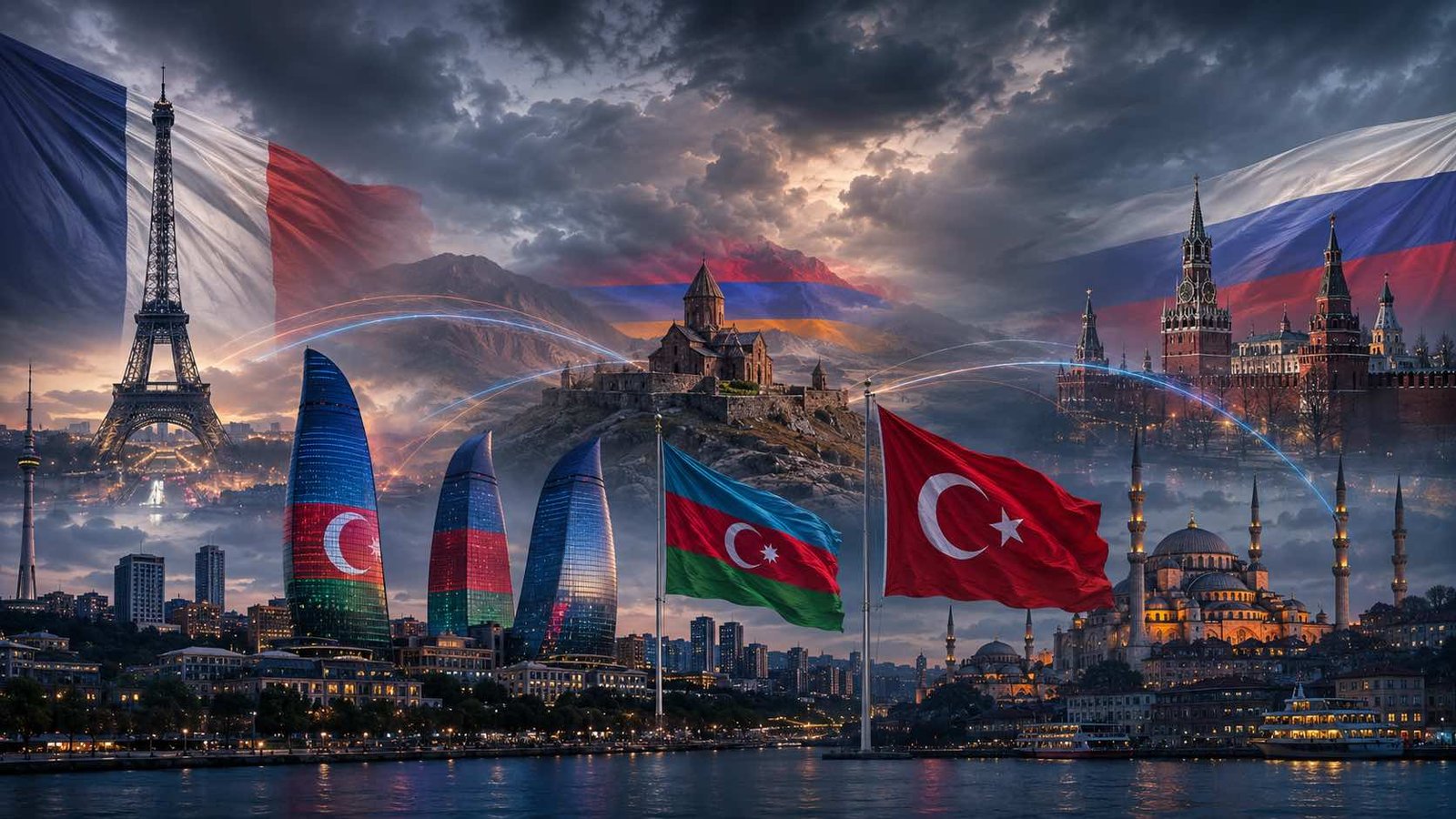
France is once again trying to build its role in the South Caucasus through Armenia, a strategy that is raising serious concerns in Baku, Azerbaijani political analyst Natig Jafarli said in an interview with the YouTube channel Musavat TV.
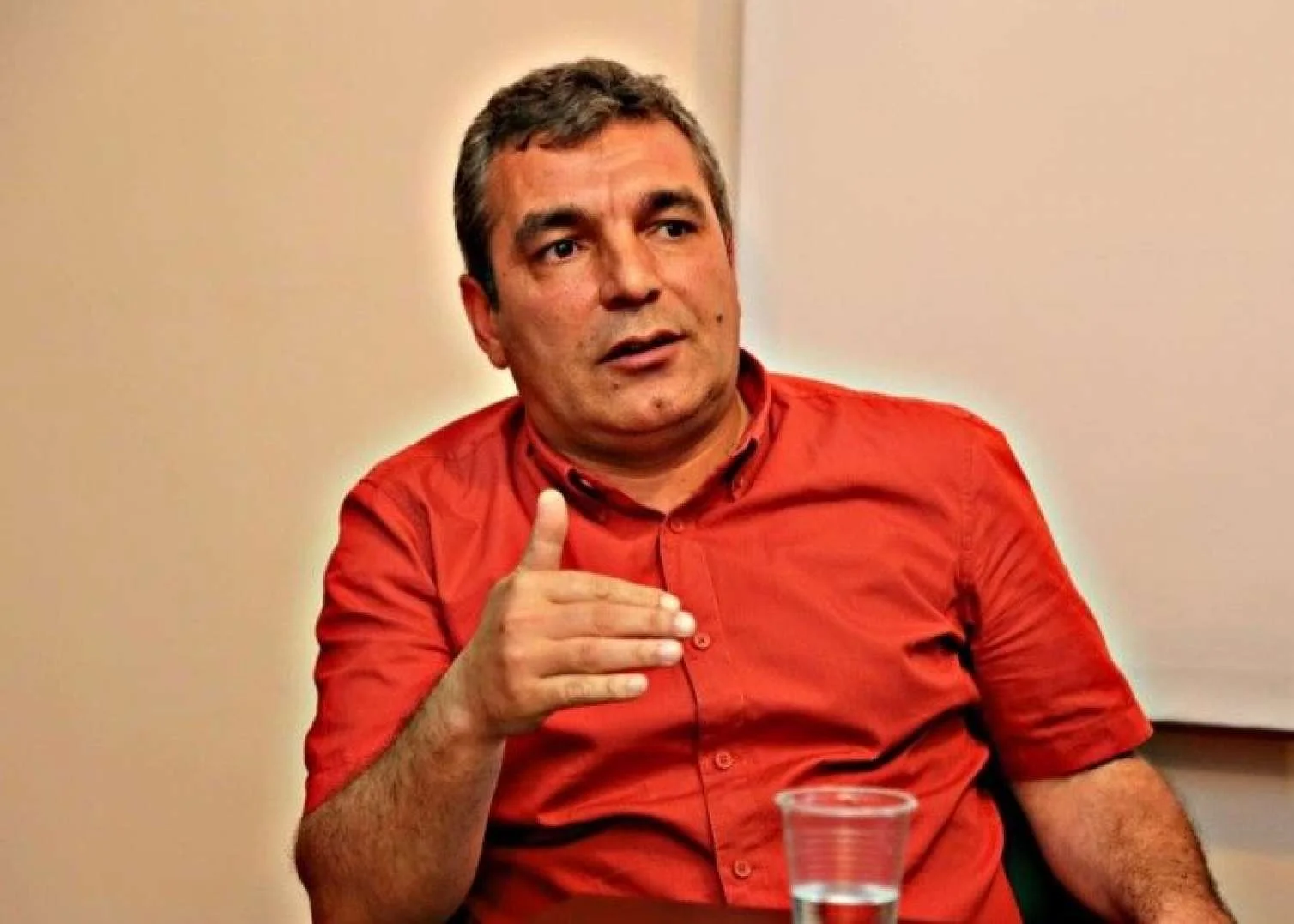
Jafarli said Azerbaijan and Turkey are now in a period of deep military, strategic and foreign policy integration. According to him, the two countries’ armed forces increasingly operate within the same logic, while regular joint military exercises show the level of coordination between Baku and Ankara.
He said the Azerbaijan-Turkey alliance has moved far beyond a conventional partnership. It is based not only on shared interests, but also on historical closeness, political alignment and the well-known formula of “one nation, two states.”
Against that background, Jafarli said, France’s activity in the region is not viewed in Baku as neutral diplomacy. Instead, it is seen as an attempt by Paris to secure a place in the South Caucasus power game.
He acknowledged that Azerbaijan and France had shown signs of a limited thaw in recent months, with contacts, meetings and cautious diplomatic engagement. But he said the deeper issue remains the role France wants to play in the region.
According to Jafarli, Paris looks at the South Caucasus not only through its relations with Azerbaijan or Armenia, but also through a broader rivalry with other major powers. He pointed in particular to Britain, which has long-standing economic, energy and political interests in Azerbaijan.
In his view, France is trying to find room for itself in a region where London’s position has already been firmly established. But that approach, he said, cannot work through Azerbaijan, where a stable network of partnerships is already in place.
Jafarli said France also failed to become a dominant player through Georgia, despite the French background of former Georgian President Salome Zourabichvili. Now, he argued, Paris is placing its main bet on Armenia.
Through Yerevan, France is trying to become one of the key outside players in the South Caucasus, relying on the Armenian diaspora and on political ties that developed after Armenia gained independence.
Jafarli also questioned the frequent references to centuries-old French-Armenian ties. He said the real political basis of those relations is largely connected to the Armenian diaspora in France, whose modern history is just over a century old.
Another important factor, he said, is France’s relationship with Iran and Russia. Jafarli argued that the interests of Paris, Moscow and Tehran may overlap in some areas of the South Caucasus, especially when it comes to limiting the influence of Turkey, Britain and the United States.
That is why, he said, Baku and Ankara are watching French moves around Armenia closely. For Azerbaijan, statements by French officials about Karabakh remain especially sensitive, since Baku considers the issue closed after restoring its territorial integrity.
Jafarli said France often speaks about peace, but some of its actions and statements may complicate the organic peace process now taking shape in the region. For Baku, the problem is not dialogue between Paris and Yerevan itself. The concern is that, under the banner of supporting Armenia, France is trying to reintroduce external competition into a region that is only beginning to move beyond conflict.
AZE.US