AZE.US
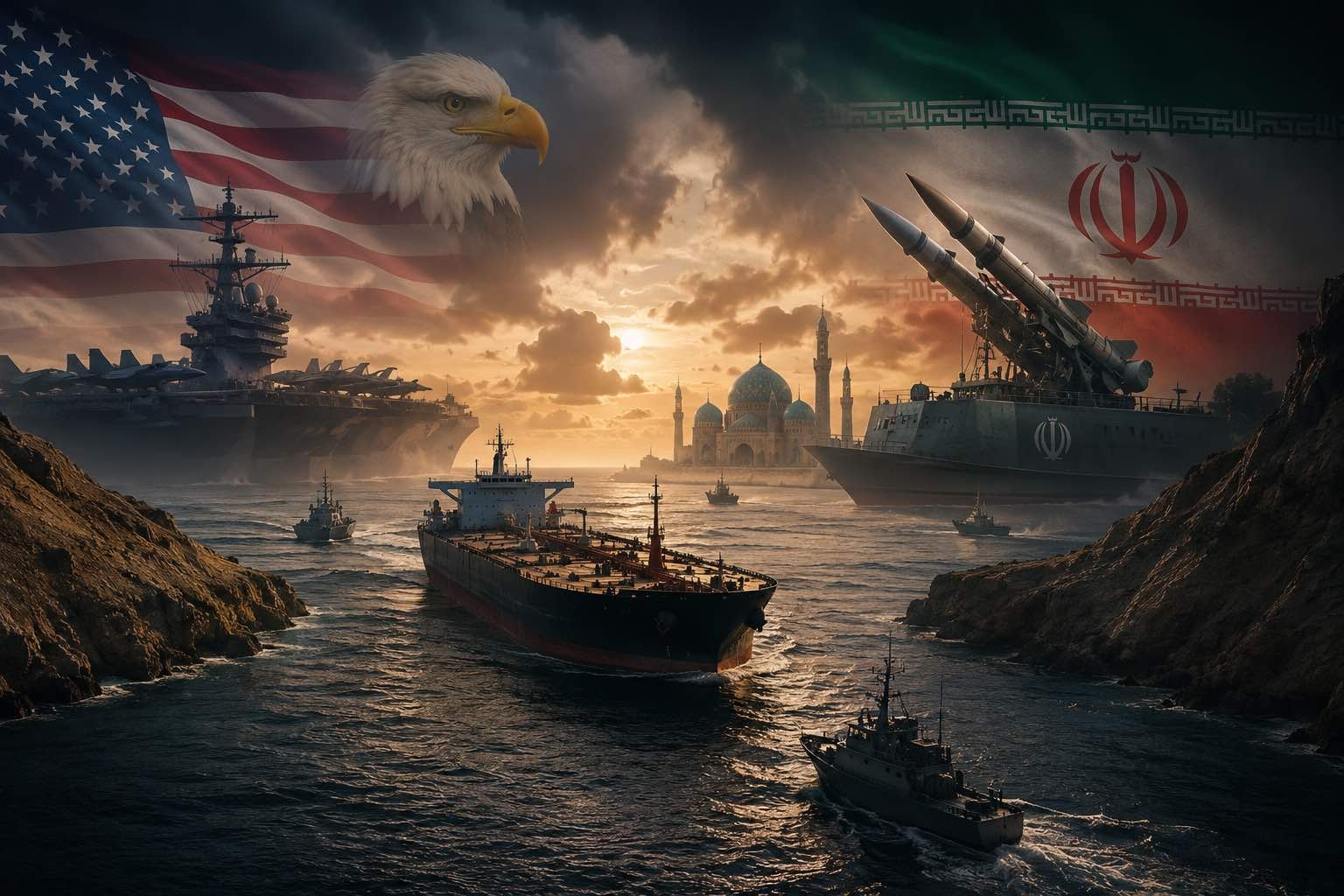
The Strait of Hormuz has again become the central pressure point in the crisis between the United States and Iran, as diplomacy continues alongside new military exchanges in one of the world’s most important energy corridors.
Reuters reported that the U.S. military carried out retaliatory strikes against Iranian military sites on May 7 after what Washington described as an Iranian attack on three U.S. Navy vessels transiting the Strait of Hormuz. U.S. officials said Iran used missiles, drones and small boats, but no American assets were hit.
Iran rejected the U.S. version and accused Washington of violating a fragile ceasefire. Tehran said U.S. forces struck an Iranian oil tanker, another vessel and coastal areas near the strait. The Associated Press also reported clashes around Qeshm Island, underlining how quickly the month-old ceasefire could unravel.
The military exchanges come as both sides continue to weigh a possible deal. Reuters said Washington is still waiting for Tehran’s official response to a proposal aimed at formally ending the conflict and restoring traffic through Hormuz. But the emerging framework does not appear to settle the most difficult issues, including Iran’s nuclear program and the long-term rules for navigation through the strait.
For the United States, the immediate goal is to reopen Hormuz without recognizing any Iranian right to control passage or collect fees from ships. For Iran, the strait has become its strongest bargaining tool. Tehran has moved to formalize control over maritime traffic, while the U.S. Treasury has warned shipping companies that any payment to Iran for safe passage, even indirect payments, could trigger sanctions.
Washington is also trying to move the issue to the United Nations. Reuters reported that the United States and Gulf Arab states are drafting a new U.N. Security Council resolution aimed at restoring freedom of navigation through the Strait of Hormuz and increasing pressure on Iran.
The situation remains highly unstable. AP reported that President Donald Trump said the ceasefire was still in place, but he also warned of severe consequences if a peace deal is not reached. Iran, meanwhile, continues to signal that it will not accept U.S. terms under pressure.
Hormuz is not just a U.S.-Iran issue. It is a global energy chokepoint, and any new strike, tanker seizure or attempt to impose passage fees immediately affects oil markets, shipping insurance, freight costs and supply chains.
The immediate picture is clear: a deal is still possible, but it is no longer just a diplomatic formula. It is a negotiation over sanctions, military pressure, maritime control and Iran’s nuclear file. The United States wants the strait reopened. Iran wants to show that Hormuz cannot function normally unless its own demands are taken seriously.
AZE.US