Aze.US
Russia’s geopolitical influence across a corridor stretching from the Baltic Sea to the Caspian Sea is weakening as the United States and its allies expand security, military and logistical coordination in the region, Azerbaijani opposition politician Natig Jafarli wrote in a social media post.
Jafarli, head of the REAL party, argued that what he described as Washington’s long-discussed “three seas strategy” – linking the Baltic, Black and Caspian basins – is being implemented step by step following Moscow’s invasion of Ukraine. According to his assessment, NATO enlargement in Northern Europe, Russia’s military setbacks in the Black Sea and deepening Western cooperation with Caspian-region states have narrowed Moscow’s strategic room for maneuver.
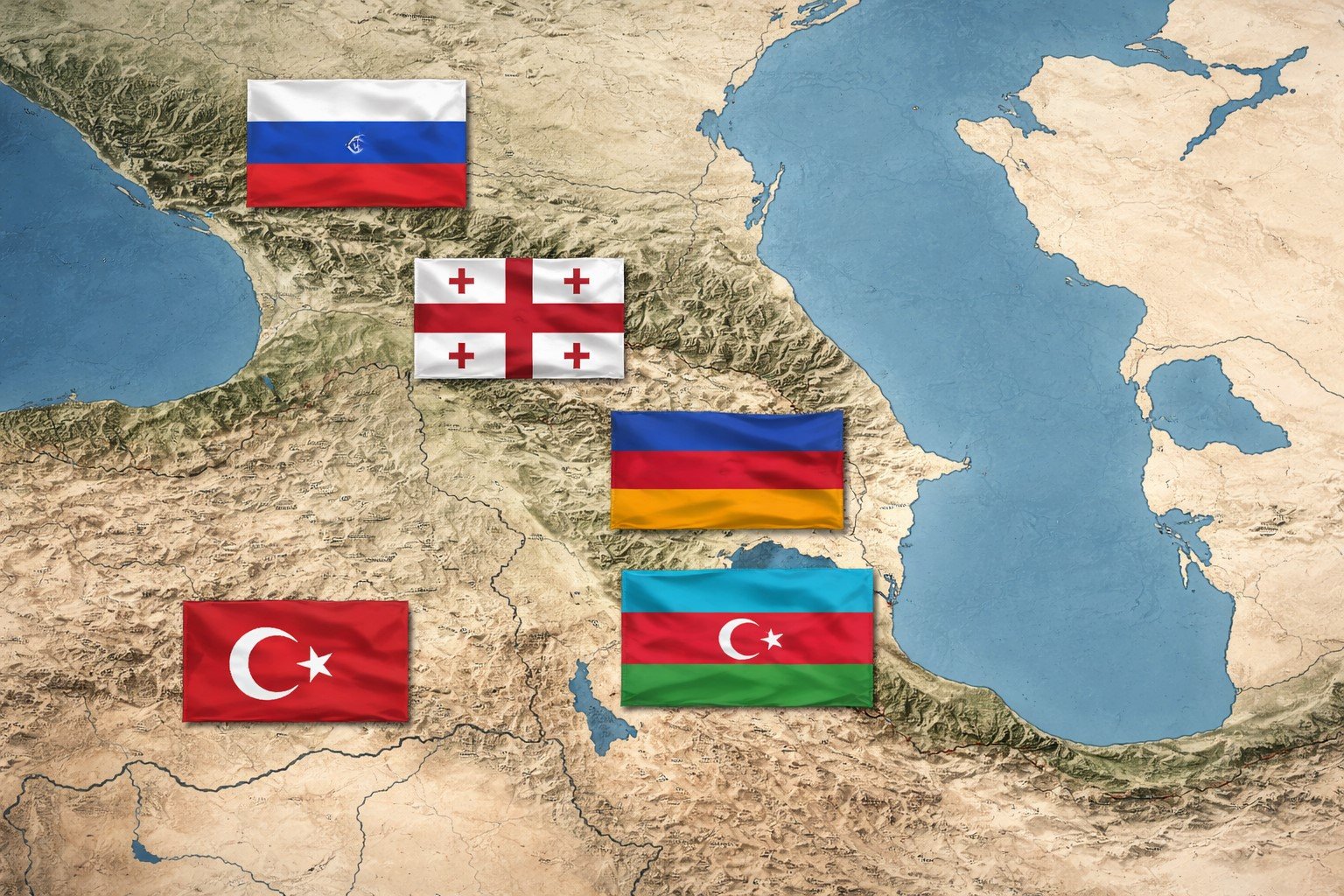
He said Finland and Sweden’s accession to NATO had effectively turned the Baltic into a NATO-dominated space, while the war in Ukraine severely constrained Russia’s Black Sea fleet and maritime access. In the Caspian region, Jafarli pointed to expanding security ties between Azerbaijan and Turkey, growing U.S.–Azerbaijan military cooperation and quiet engagement with Kazakhstan and Turkmenistan as elements that could strengthen Western operational flexibility without formal NATO enlargement.
Jafarli also argued that Russia’s broader effort to build influence among countries often described as the “Global South” has weakened since the start of the Ukraine war. He said several states previously seen as pillars of an anti-Western alignment were either destabilized, shifting their foreign policy balance or seeking improved relations with Washington.
Despite describing Russia’s regional setbacks as positive for Azerbaijan’s strategic environment, Jafarli cautioned against moving toward an explicitly anti-Russian posture. He said Baku should instead pursue a balanced security framework that deters external pressure while strengthening domestic economic and social resilience.
His comments reflect a wider debate in the South Caucasus over shifting power dynamics following the Ukraine war, evolving U.S. engagement in the region and the long-term trajectory of Russian influence across Eurasia.