AZE.US
Armenia’s upcoming parliamentary elections are being watched closely in Baku, where many residents see the vote not simply as a domestic Armenian contest, but as a test of whether Yerevan continues toward peace or returns to old Karabakh-centered rhetoric.
Although 19 political forces are taking part in the election, public attention is focused largely on the rivalry between Prime Minister Nikol Pashinyan and former President Robert Kocharyan.
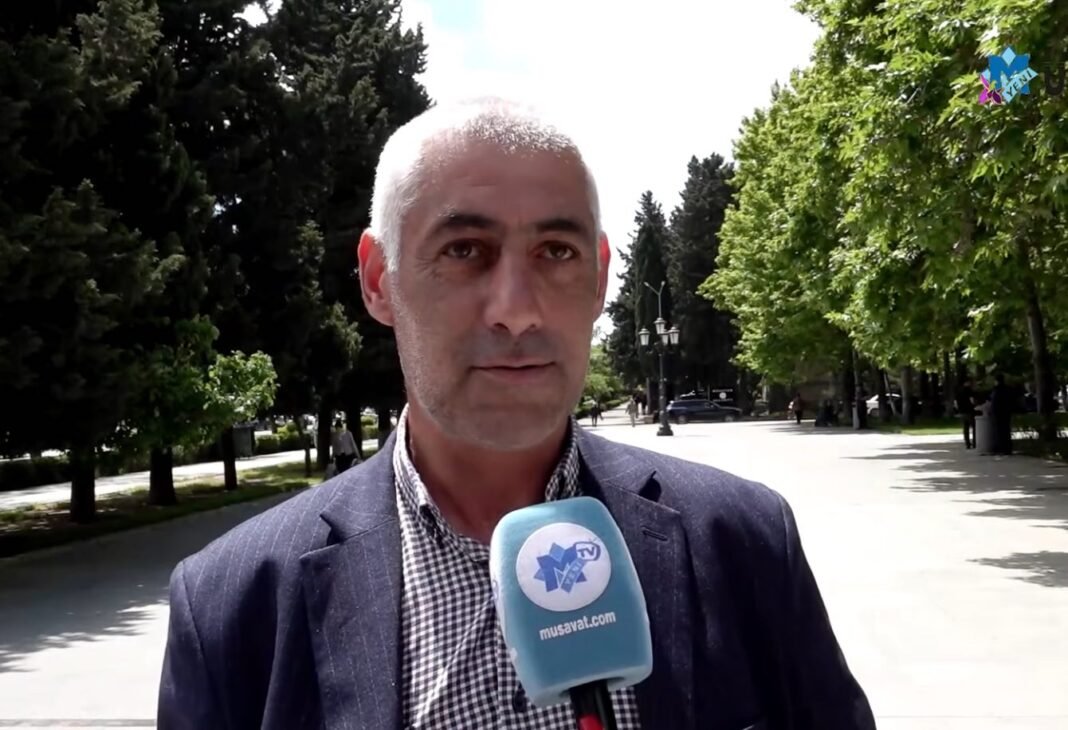
In street interviews in Baku, many residents said they would prefer Pashinyan to remain in power. Not because they trust him unconditionally, but because they believe he has been forced to accept the new reality after the 44-day war.
“I would like Pashinyan to win. He is a man of peace. He wants peace between Azerbaijan and Armenia,” one resident said.
Others warned that if Kocharyan or similar political figures return to power, Armenia could again revive talk of “Artsakh” and old Karabakh slogans.
“If Kocharyan or others come, they may again start saying ‘Artsakh’ and try to raise old issues,” one respondent said.
At the same time, many residents in Baku do not believe a change of power in Yerevan would automatically mean a new war. They argue that Armenian society itself is tired of war and that the old policy has already led Armenia to serious consequences.
“Pashinyan may win. He already won once, and he may win again. Not everyone wants war. There are many people there who do not want war either,” another resident said.
The broader view in Baku is that Pashinyan is not seen as a “friend of Azerbaijan,” but as a leader who has recognized the changed reality and moved toward a peace agenda.
“Pashinyan is better because he takes reality into account,” one resident said.
Kocharyan, by contrast, is seen in Baku as a symbol of the old Karabakh line. Several residents pointed to his past role in the conflict and to statements suggesting that he would have continued the war if he had been in Pashinyan’s place.
“Kocharyan said that if he had been in Pashinyan’s place, he would not have stopped the war, he would have continued it. But Karabakh could not remain in Armenia’s hands forever,” one respondent said.
Some residents said even the return of old forces in Armenia would not be able to turn history back. Azerbaijan has restored its territorial integrity, they said, and Armenia is no longer in a position to dictate terms.
“Whoever comes there, they will no longer be able to prevent us. Peace is being established. I do not believe anything bad can happen after this,” one Baku resident said.
That is the central mood heard in Baku: Pashinyan may be difficult, contradictory and not fully trusted, but he is associated with the new reality. Kocharyan and the old Karabakh school are associated with a past that Azerbaijanis believe is over.
For Baku, the Armenian election is therefore not only about names. It is about whether Armenia continues the peace process or again tries to speak in the language of old illusions.
AZE.US