By AZE.US Editorial Team
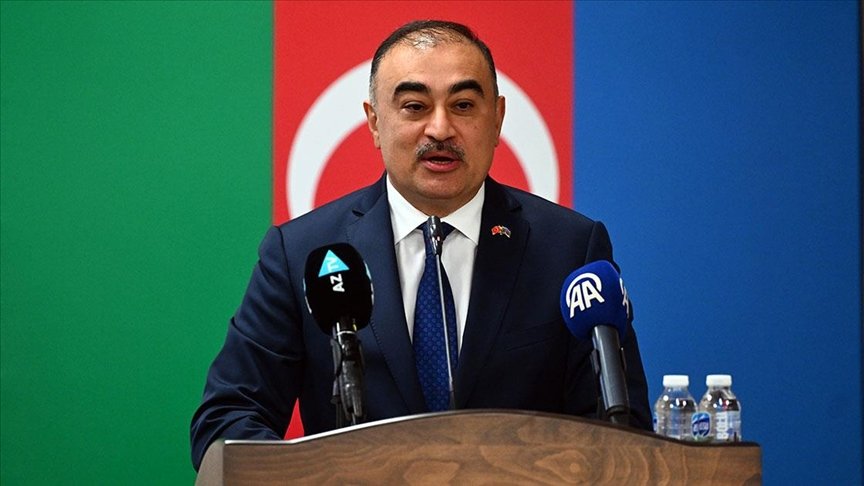
Azerbaijan’s ambassador to Turkey, Rashad Mammadov, has triggered debate in Turkish political and media circles after saying that Ankara and Baku are coordinating their approach to normalization with Armenia.
In an interview with Turkey’s Cumhuriyet newspaper, Mammadov rejected the idea that Azerbaijan is simply blocking the opening of the Turkey-Armenia border. He said Azerbaijan and Turkey are pursuing an agreed policy and keeping the Armenia-Turkey and Armenia-Azerbaijan normalization tracks parallel.
According to the ambassador, the border may open after Armenia’s June 7 election, constitutional changes in Armenia, and the signing of a peace agreement between Baku and Yerevan. He argued that Armenia’s constitution still contains territorial claims against Azerbaijan and that this issue must be resolved before the peace process can move into its next stage.
The comments drew criticism from several Turkish former diplomats and journalists, some of whom argued that the Azerbaijani ambassador should be summoned by Turkey’s Foreign Ministry.
Azerbaijani political analyst Farhad Mammadov described the reaction as unusual and suggested that it looked less like a spontaneous disagreement and more like a coordinated campaign.
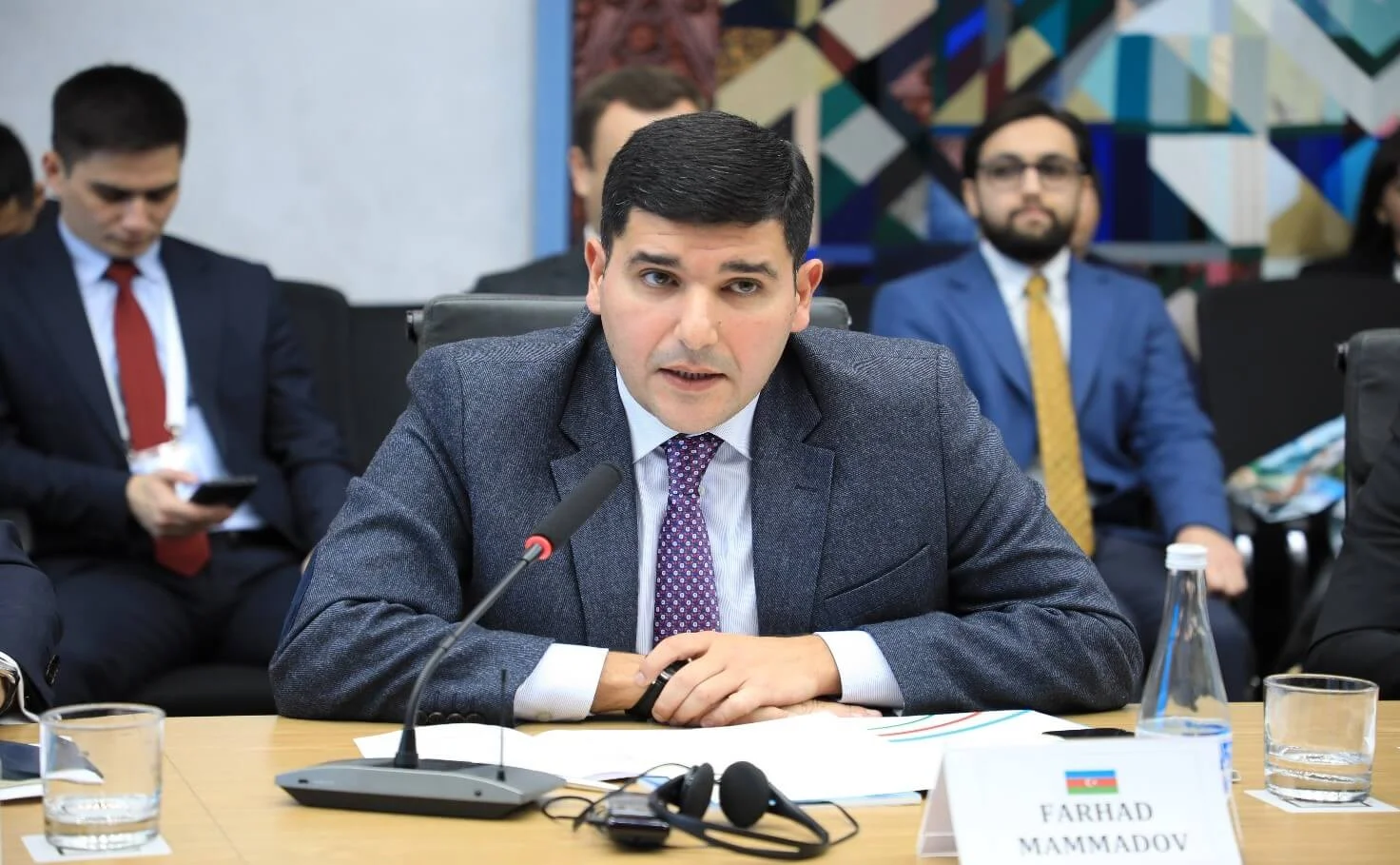
His point was simple: the Azerbaijani ambassador did not say anything fundamentally different from what Turkish officials have already said. Turkey’s Foreign Minister Hakan Fidan previously stated that Turkey would open its border with Armenia once an Azerbaijan-Armenia peace agreement is signed. Cumhuriyet itself referred to that position in its report.
That makes the dispute less about one interview and more about a larger political question: who shapes Turkey’s South Caucasus policy, and how far can the Armenia track move without Azerbaijan?
For Baku, the answer is clear. Turkey and Azerbaijan are allies, and any Turkish opening toward Armenia that ignores Azerbaijan’s security concerns would be seen not as normalization, but as a strategic mistake.
Farhad Mammadov argued that the timing of the reaction is also important. Armenia is approaching the end of its election campaign, while the future of the peace process remains uncertain. In his view, some circles in Turkey may have hoped for a more independent diplomatic move toward Armenia, possibly without full coordination with Azerbaijan.
He also pointed to earlier discussions around a possible symbolic step involving French President Emmanuel Macron and the Armenia-Turkey border. Mammadov suggested that such a move could have been intended as a creative diplomatic gesture but may have been stopped because of Azerbaijan’s position.
That claim is politically sharp and should be treated as analysis rather than confirmed fact. But it reflects a broader concern in Baku: that Western actors, and some old-school diplomatic circles in Turkey, may still be tempted to separate the Armenia-Turkey process from the Azerbaijan-Armenia process.
From Azerbaijan’s perspective, that separation is exactly what must not happen.
The debate also shows a deeper generational and ideological divide inside Turkey’s foreign-policy community. Mammadov used the term “monşer,” a loaded Turkish expression often used to describe Western-educated, elite diplomats seen by their critics as disconnected from national priorities.
His message was that such circles will not be able to damage the Azerbaijan-Turkey alliance.
The language is harsh, but the political issue behind it is real. Turkey’s influence in the South Caucasus has grown significantly since the 2020 war, and that influence is closely tied to its alliance with Azerbaijan. Any attempt to handle Armenia separately from Azerbaijan risks weakening the very position that gave Ankara greater regional weight in the first place.
The controversy around Rashad Mammadov’s interview therefore says less about diplomatic protocol and more about strategic alignment.
For Turkey, normalization with Armenia may open trade, borders, and regional connectivity. For Azerbaijan, it cannot come at the cost of unresolved constitutional claims, delayed peace, or a symbolic bypass of Baku’s interests.
That is why the reaction to one ambassador’s interview became larger than the interview itself.
It exposed the core reality of the South Caucasus today: Turkey can normalize with Armenia, but not as if Azerbaijan is outside the room.
AZE.US