AZE.US
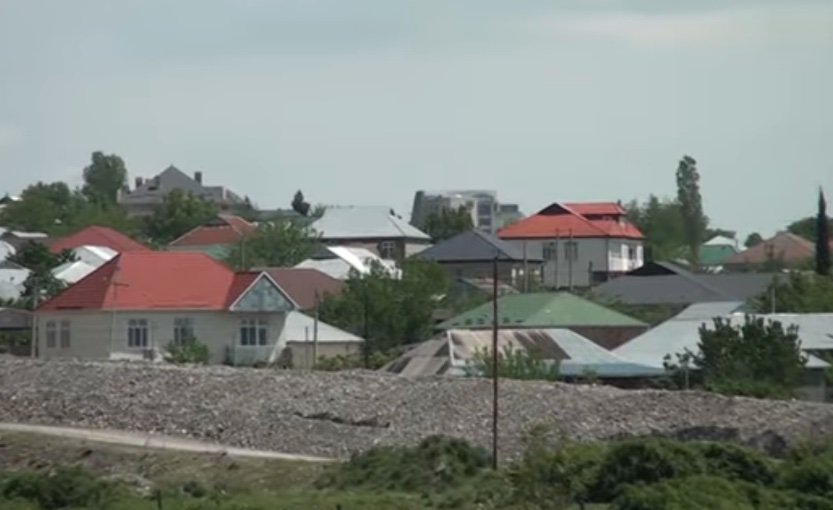
Real estate prices are rising across Azerbaijan’s regions, with demand growing especially for private homes in areas with tourism potential and better infrastructure.
Realtors say the market has become more active in recent months as buyers show stronger interest in rural areas, homes closer to nature and properties with land. The expansion of rural tourism and regional infrastructure is also pushing prices higher.
In Ismayilli, the price per square meter for private homes has increased by about 200 to 300 manats, or roughly $118 to $176. Houses that previously sold for around 50,000 manats are now being offered for 65,000 to 70,000 manats, or about $38,200 to $41,200.
Prices have risen even more sharply in scenic areas. Homes that once cost around 100,000 manats are now being listed for 120,000 to 130,000 manats, and in some cases as much as 150,000 manats. That is roughly $70,600 to $88,200.
A similar trend is visible in Sheki, one of Azerbaijan’s historic and tourism-focused cities. Local real estate agents say infrastructure development has increased demand for property there.
One-room apartments in older buildings in Sheki are now being sold for 55,000 to 60,000 manats, or about $32,400 to $35,300. Two-room apartments can reach 80,000 to 85,000 manats, while three-room apartments may cost 120,000 to 130,000 manats, depending on renovation and condition.
Private homes have also become more expensive. Realtors say it is now difficult to find a small renovated three-room house with a yard for less than 80,000 manats, or about $47,000.
In Tovuz, market participants estimate that prices have risen by up to 10%. Listings vary widely, from homes priced at 22,000 to 30,000 manats to properties worth 250,000 to 300,000 manats, and in some cases up to 500,000 manats. That range is roughly $12,900 to $294,000.
Still, higher prices do not mean buyers are ready to pay any amount. Realtors say purchasing power remains weak. The strongest demand is for homes priced around 25,000, 30,000, 35,000 and 60,000 manats, particularly houses with yards.
Prices are higher in central parts of regional towns because land itself has become more expensive. In some cases, sellers cannot reduce the price by separating and selling part of the land because the homes were built in a way that makes such division impossible.
Vugar Oruj, chairman of the Azerbaijan Society of Appraisers, said the upward trend in regional real estate prices is continuing. He said demand is particularly visible in districts with strong tourism potential.
According to Oruj, several factors are driving the increase: higher construction costs, wider access to credit, stronger interest in the regions and government-backed social and economic development projects.
Experts do not rule out further price growth in regional real estate. But the market is also facing a familiar problem: prices are rising faster than many households’ ability to buy. Interest in regional property is growing, but buyers are becoming more cautious as affordability comes under pressure.
AZE.US