Aze.US
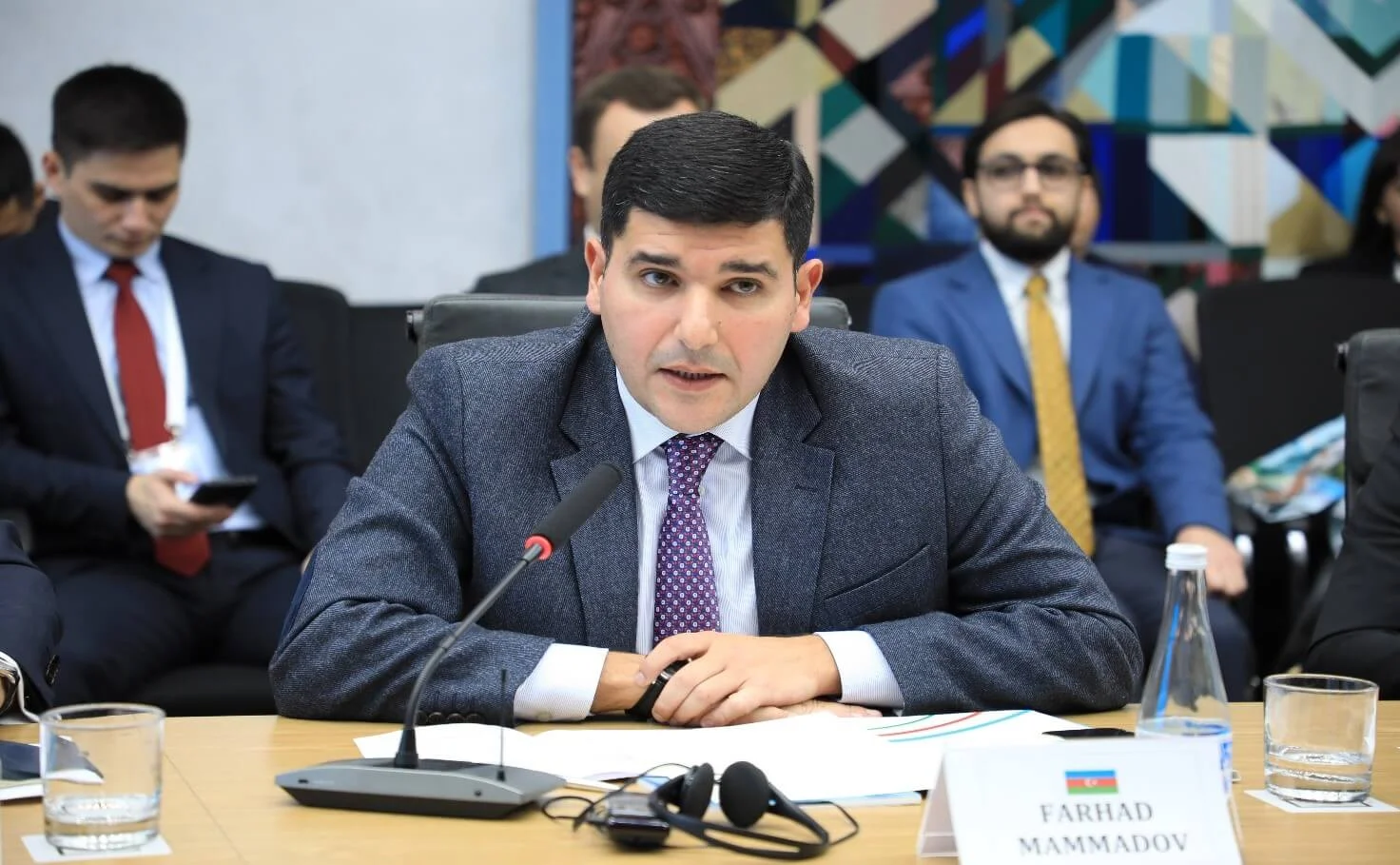
Azerbaijani political analyst Farhad Mammadov said the current stage of dialogue between Azerbaijan and Armenia is primarily aimed at preventing a renewed conflict, stressing that the durability of the peace process will depend on political developments in Armenia and the formalization of a peace agreement.
Farhad Mammadov took part in a recent meeting of Azerbaijani and Armenian civil society representatives held in Armenia, where participants discussed regional security, transport connectivity, humanitarian consequences of the conflict, and possible parameters of a future peace settlement.
According to Mammadov, the central objective of the ongoing engagement is to prevent another war and to stabilize relations between the two states after decades of confrontation.
He described the parliamentary elections in Armenia as a decisive turning point. If political forces supporting normalization retain power and proceed with constitutional and legal steps required for a peace agreement, the treaty could be signed within a relatively short timeframe. Otherwise, the process could stall and remain reversible.
Mammadov identified border delimitation as the most sensitive unresolved issue and a potential trigger for future escalation if left outside a political and diplomatic framework. In his view, formal border regulation within a peace process would significantly reduce the risk of renewed hostilities even amid persistent mistrust.
He also emphasized that the humanitarian legacy of the conflict – including casualties, displacement, and destroyed property – will continue to shape public sentiment in both societies.
However, he argued that the practical meaning of peace lies not in erasing past losses but in ensuring that future generations do not face another war.
Among the tangible incentives for normalization, Mammadov pointed to the reopening of regional transport links, infrastructure cooperation, and broader economic benefits for populations on both sides of the border. He said these concrete gains could become a key factor in making peace sustainable beyond political declarations.