AZE.US
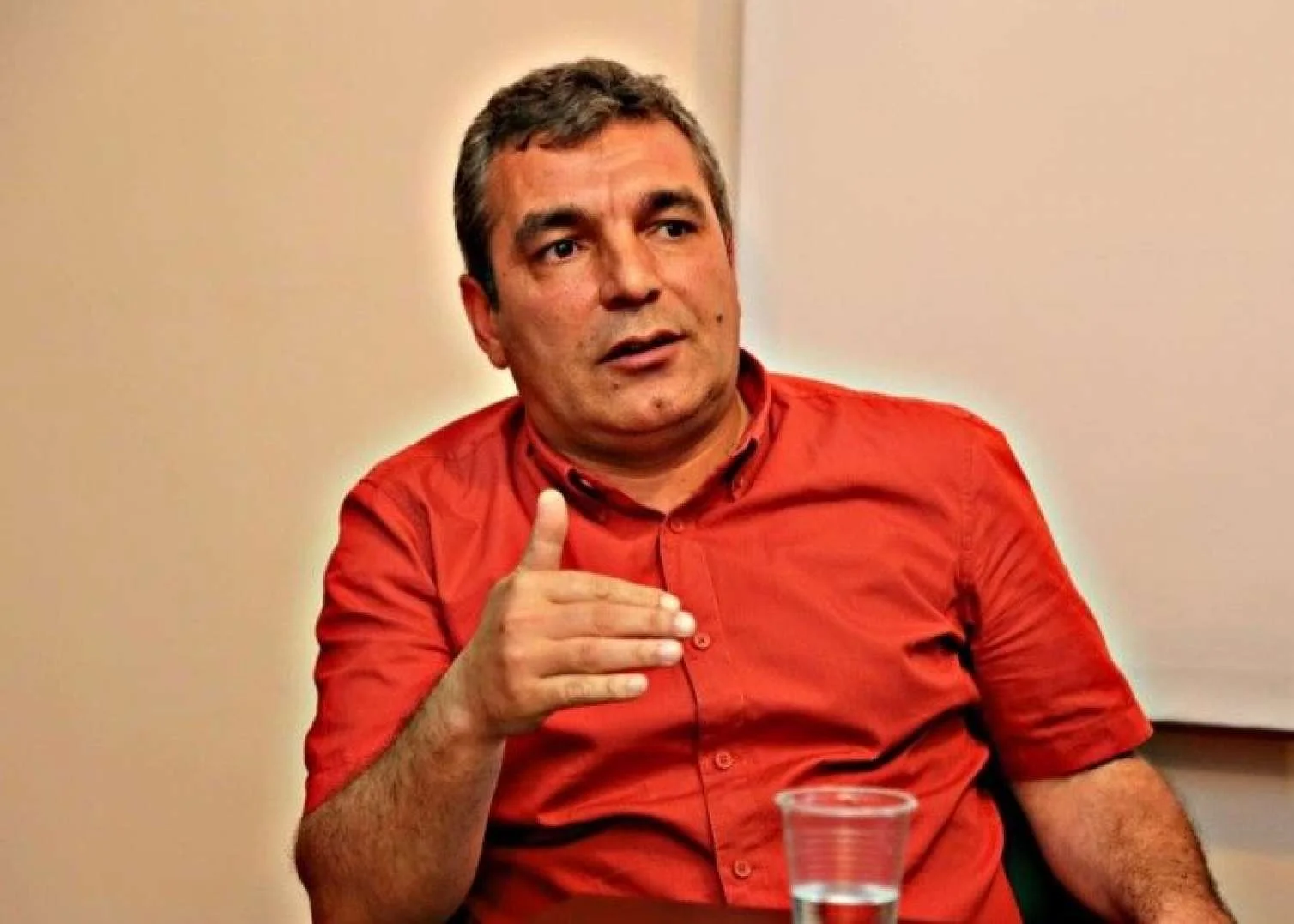
Economist Natig Jafarli has said that higher oil prices are giving Azerbaijan additional revenue, but the country’s deeper problem remains the decline in oil production.
Speaking on the YouTube channel “Novosti Kavkaza,” Jafarli said the oil price in Azerbaijan’s consolidated budget was set at $65 per barrel. According to him, the country’s budget system is structured in a way that planned budget parameters are fulfilled through transfers from the State Oil Fund.
He said additional oil revenues are accumulated in the fund, while higher prices strengthen the consolidated budget and the State Oil Fund as a whole.
“Since the beginning of the year, Azerbaijan can already be said to have received more than $1 billion in additional income. For Azerbaijan, this is a lot,” Jafarli said.
According to his estimate, if the average oil price in 2026 stays around $80-85 per barrel, Azerbaijan may receive another $200-250 million in additional revenue.
However, Jafarli warned that higher oil prices do not solve the country’s structural problem. He said oil production volumes in Azerbaijan are falling.
The economist noted that Azerbaijan is producing about 105,000 barrels per day less than its OPEC+ quota allows. In his view, this is a serious signal for the economy.
“The price of oil, of course, plays a role, but falling production greatly reduces the dividends that Azerbaijan could receive,” he said.
Jafarli said Azerbaijan needs to stabilize oil production at least at 700,000-750,000 barrels per day, including exports and domestic consumption.
According to him, new fields may partially help stabilize production in the coming years, but they are not large enough to radically change the overall picture. Even if they add 40,000-50,000 barrels per day, this would mainly help slow the decline rather than create a major increase.
Jafarli also questioned the traditional division of Azerbaijan’s economy into oil and non-oil sectors. He said it would be more accurate to speak about a resource-based economy and the real economy.
He noted that even in the so-called non-oil export sector, raw materials still play a major role, including gold, aluminum, copper and other resources.
“What is the difference between extracting oil and extracting gold? It is also a mineral resource,” Jafarli said.
According to him, if oil, oil products and natural gas are included, the share of resources in Azerbaijan’s exports remains extremely high and may reach 90-92% in some months.
At the same time, Jafarli acknowledged that there have been positive developments in Azerbaijan’s banking sector, services and tourism. But he said these areas are still not strong enough to reduce the country’s overall dependence on resource income.
He also pointed to the multiplier effect of oil money in the Azerbaijani economy. According to Jafarli, part of the so-called non-oil sector is also formed through oil revenues, which return to the economy through the state budget, salaries, public projects, contractors and taxes.
Jafarli said Azerbaijan should not be afraid of using its natural resources, but those revenues should be treated as an additional bonus, not as the foundation of the entire economic model.
“The country should work as if this money does not exist. We work, we earn, and then, as a people, as a country and as a society, we receive an additional bonus from the resources,” he said.
In his view, Azerbaijan’s future economic model should rely more on the real private sector, exports, services, logistics and production, while oil revenues should support that model instead of replacing it.
AZE.US