AZE.US
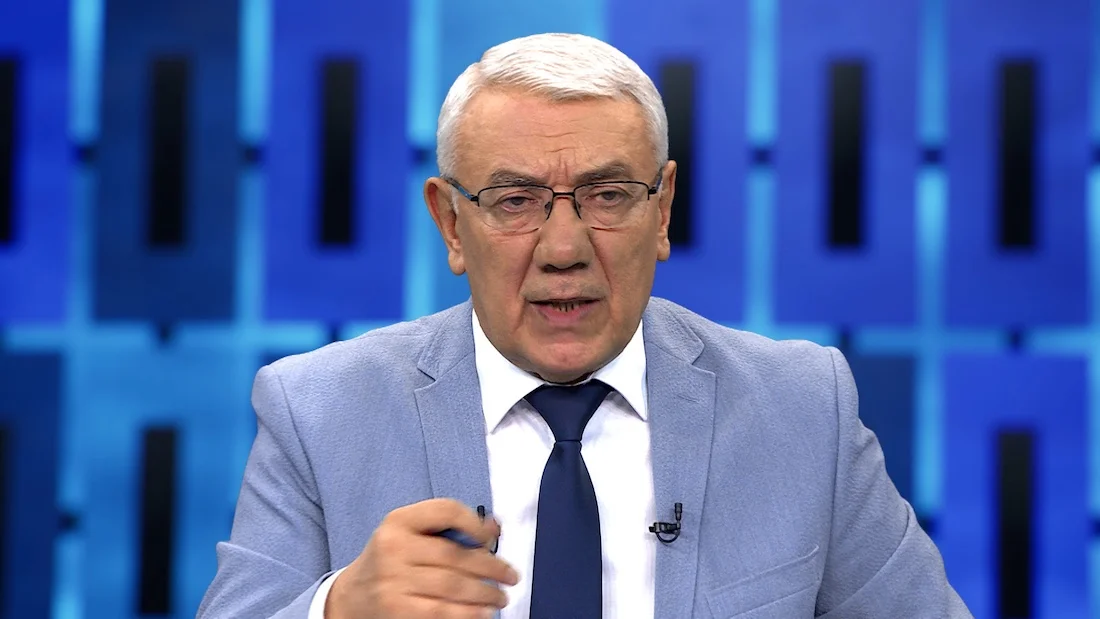
Growing tensions between Turkey and Israel are becoming part of a broader struggle for influence in the Middle East, while Azerbaijan is seeking to preserve its partnerships with both countries, political analyst Eldar Namazov said.
Speaking on the Novosti Kavkaza channel, Namazov said Baku is interested in a normalization of ties between Ankara and Israel, although Azerbaijan has limited ability to influence either side.
He described the Israeli government’s move toward recognizing the mass killings of Armenians in the Ottoman Empire as genocide as a serious political mistake.
According to Namazov, the decision is unlikely to place meaningful pressure on Turkey, but it could complicate efforts to normalize relations between Armenia and Turkey and weaken the broader peace process in the South Caucasus.
Namazov noted that Armenian Prime Minister Nikol Pashinyan has moved away from making international recognition of the genocide a central foreign policy priority. That shift, he said, is closely connected to Yerevan’s efforts to improve relations with Ankara and advance peace with Azerbaijan.
“The Armenian opposition is now trying to use Israel’s decision as an argument against Pashinyan and his peace agenda,” Namazov said.
He argued that Israel’s move was primarily driven by its escalating political confrontation with Turkey. Ankara has sharply criticized Israel’s actions in Gaza and Lebanon, while Israel increasingly views Turkey as a regional competitor.
The rivalry, he said, extends beyond the Palestinian issue. Israel is concerned about Turkey’s growing influence in Syria following the change of government there. The two countries also differ over the Eastern Mediterranean, Cyprus and Greece, while maintaining competing strategic partnerships with India and Pakistan.
Namazov nevertheless warned against interpreting the dispute as evidence of a broader rupture between Azerbaijan and Israel.
“Azerbaijan has a strategic alliance with Turkey and a strategic partnership with Israel,” he said. “These relations have stood the test of time. But even the closest allies do not have completely identical foreign policy interests.”
Turkey remains Azerbaijan’s closest partner because the two countries have few major disagreements and their interests align across most strategic issues, Namazov said.
At the same time, Baku intends to maintain relations with Israel while openly expressing disagreement when Israeli decisions affect Azerbaijani interests.
“In the Azerbaijan-Turkey-Israel triangle, Azerbaijan is trying to play a stabilizing role,” he said. “But much depends on the future actions of Ankara and Israel, not on us.”
Namazov said Azerbaijan would benefit from a restoration of normal relations between Turkey and Israel, but Baku cannot force either government to abandon its current confrontation.
He also urged the public to avoid radical interpretations portraying Israel as an enemy of Azerbaijan or blaming Turkey for creating diplomatic problems for Baku.
“Every state acts according to its own interests,” Namazov said. “A country’s foreign policy is as unique as a fingerprint.”
AZE.US