AZE.US
Imported Mongolian beef is gaining ground in Azerbaijan’s retail market due to lower prices, raising questions about production costs, logistics and competitive pressure on local farmers.
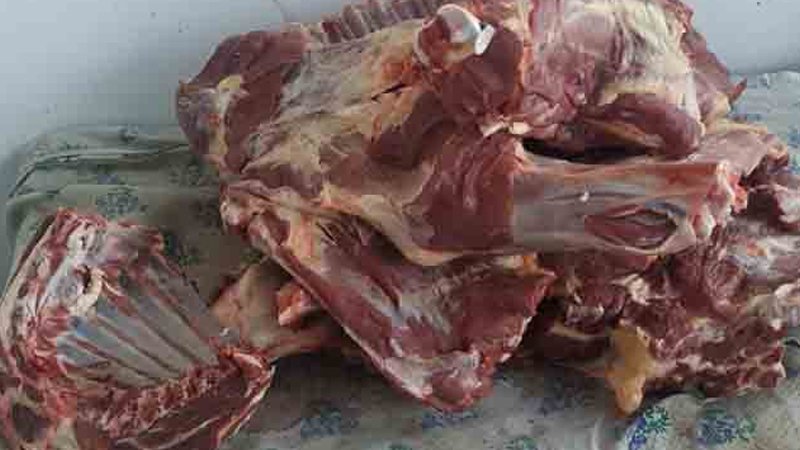
Imported beef from Mongolia is increasingly undercutting local prices in Azerbaijan, with retailers citing differences of up to 40–50% compared to domestically sourced meat.
Traders say the main driver is cost structure. Mongolia’s livestock sector is largely pasture-based, benefiting from vast grazing lands and relatively low feed expenses. Lower production costs allow exporters to offer competitive wholesale prices, particularly in bulk shipments.
Another key factor is format. Mongolian beef typically arrives frozen, enabling large-volume transportation and longer storage periods. This reduces logistical pressure and minimizes spoilage risks. In contrast, locally produced meat is often sold fresh or chilled, which requires faster distribution and higher handling costs.
Industry analysts note that domestic producers face higher operational expenses, including imported feed, veterinary services, utilities and transportation. Many farms also operate at smaller scale, limiting their ability to achieve economies of scale comparable to large export-oriented suppliers.
Retailers report that price-sensitive consumers are increasingly opting for imported beef. Some buyers say they do not perceive a significant difference in taste, while others prefer fresh local products despite the higher cost.
The Azerbaijan Food Safety Agency states that all imported meat undergoes mandatory laboratory testing and veterinary control before entering the domestic market. Only products that meet sanitary and safety standards are approved for sale.
The growing volume of imports intensifies competition within the meat sector. For consumers, it broadens choice and may help moderate prices. For local producers, however, the trend adds pressure at a time when input costs remain elevated.