Aze.US
As new apartment complexes continue to rise across Baku, a quieter urban problem is becoming impossible to ignore: there are simply not enough parking spaces.
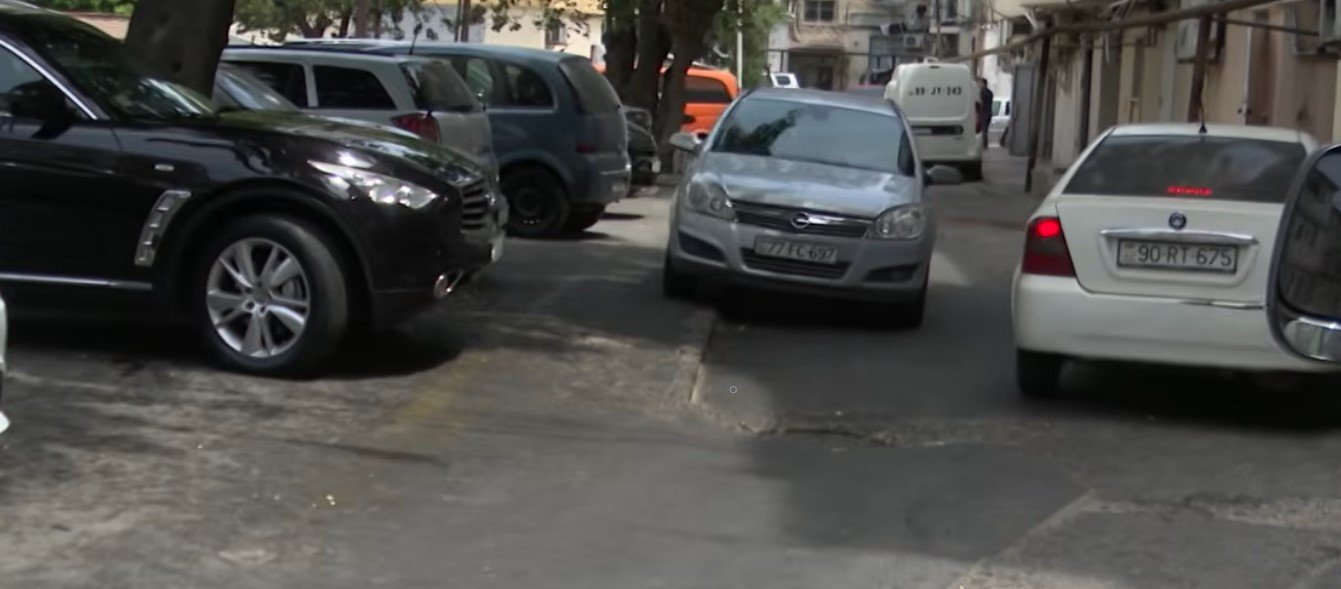
In many newly built residential blocks, the number of underground parking spots falls far short of the number of apartments, pushing cars into courtyards, sidewalks, and surrounding streets.
Urban analysts say the imbalance reflects development priorities that often favor maximum housing density over long-term transport comfort. For residents - including foreign professionals and returning diaspora families - the result is a daily search for somewhere to leave a car, especially in districts where public transport options remain limited.
Parking itself has also become a financial barrier. In some parts of the city, a single underground space can cost between 10,000 and 80,000 manats, a price comparable to an average apartment in smaller regional towns. Such costs leave many homeowners with little choice but to rely on already crowded street space.
The growing mismatch between housing supply and parking infrastructure in Baku is beginning to reshape neighborhood life. Courtyards designed as shared community areas increasingly function as informal car parks, while internal access roads face mounting congestion and reduced pedestrian safety.
Experts warn that without updated construction standards linking apartment numbers to mandatory parking capacity, the problem could intensify as car ownership continues to rise. Expanding structured parking, improving public transport connectivity, and rethinking zoning rules are all being discussed as possible long-term responses.
For a city positioning itself as a regional hub for investment, tourism, and expatriate life, the way Baku manages everyday urban challenges such as parking may prove as important as its skyline.