AZE.US
Azerbaijan should introduce a property amnesty for tens of thousands of homes whose owners have been unable to obtain legal title for years, prominent real estate and banking lawyer Akram Hasanov has said.
In an interview with Pozan Media, Hasanov also criticized the practice of construction companies retaining control over residential buildings after selling the apartments.
Title Deeds for 1,000 Manats
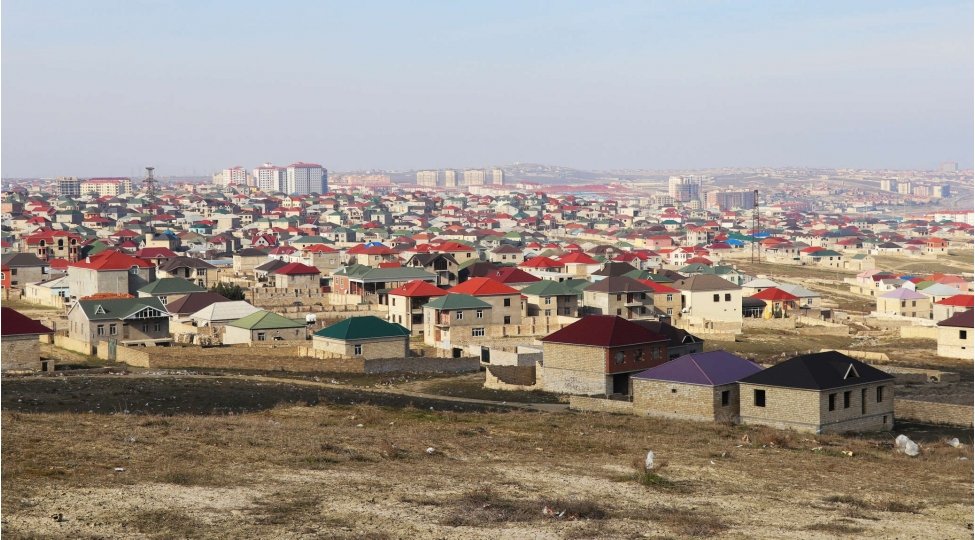
Hasanov said many families have lived for decades in homes without official ownership documents, even though government agencies supply the buildings with electricity, gas and water while collecting utility payments and taxes.
“The state effectively recognizes that the house exists, connects it to utilities and collects payments, but still refuses to issue the owner a title deed,” the lawyer said.
Hasanov proposed a nationwide property amnesty under which buildings that meet safety requirements and are not located on oil fields, utility corridors or other hazardous land could be formally registered.
One possible mechanism would be to issue title deeds after homeowners pay a government-set fee - such as 1,000 manats, or about $588.
According to Hasanov, the measure would generate additional revenue for the state budget while allowing residents to formally establish ownership of their homes.
Once the properties are documented, owners would be able to sell them legally, pass them on as inheritance, use them as collateral and apply for bank loans.
Residents of houses built in hazardous areas that cannot be legalized should receive compensation, Hasanov said. He noted that many of the buildings were constructed 20 to 30 years ago while government and municipal authorities failed to intervene.
After the amnesty is completed, the authorities should impose a strict ban on the legalization of any new unauthorized construction and hold those responsible accountable, he added.
Developers Should Not Control Buildings After Selling Apartments
Hasanov also addressed the situation in many newly constructed residential buildings, where developers continue managing the property after selling the apartments, unilaterally setting maintenance fees and controlling common areas.
He described the practice as unlawful.
Once apartments have been sold, a developer cannot continue acting as if it owns the entire building. Entrances, stairwells, elevators, basements, technical facilities, roofs and other common areas are jointly owned by the apartment owners.
Residents should therefore decide who manages the building, which services are provided and how much those services cost. They may establish a homeowners’ association or appoint a property management company.
A developer may participate in managing the building only on a lawful basis and with the owners’ consent, rather than retaining indefinite control after completing apartment sales.
Hasanov said the lack of transparency and restricted access to Azerbaijan’s property registry create additional opportunities for abuse.
An open registry would allow residents to determine who owns land plots, apartments and technical facilities and would help them protect their property rights more effectively.
AZE.US