AZE.US
Azerbaijan may help Armenia reduce the economic and energy risks arising from its deteriorating relations with Russia. However, Baku will not enter an open confrontation with Moscow on behalf of Armenian Prime Minister Nikol Pashinyan, Azerbaijani political analyst Ilgar Velizade said.
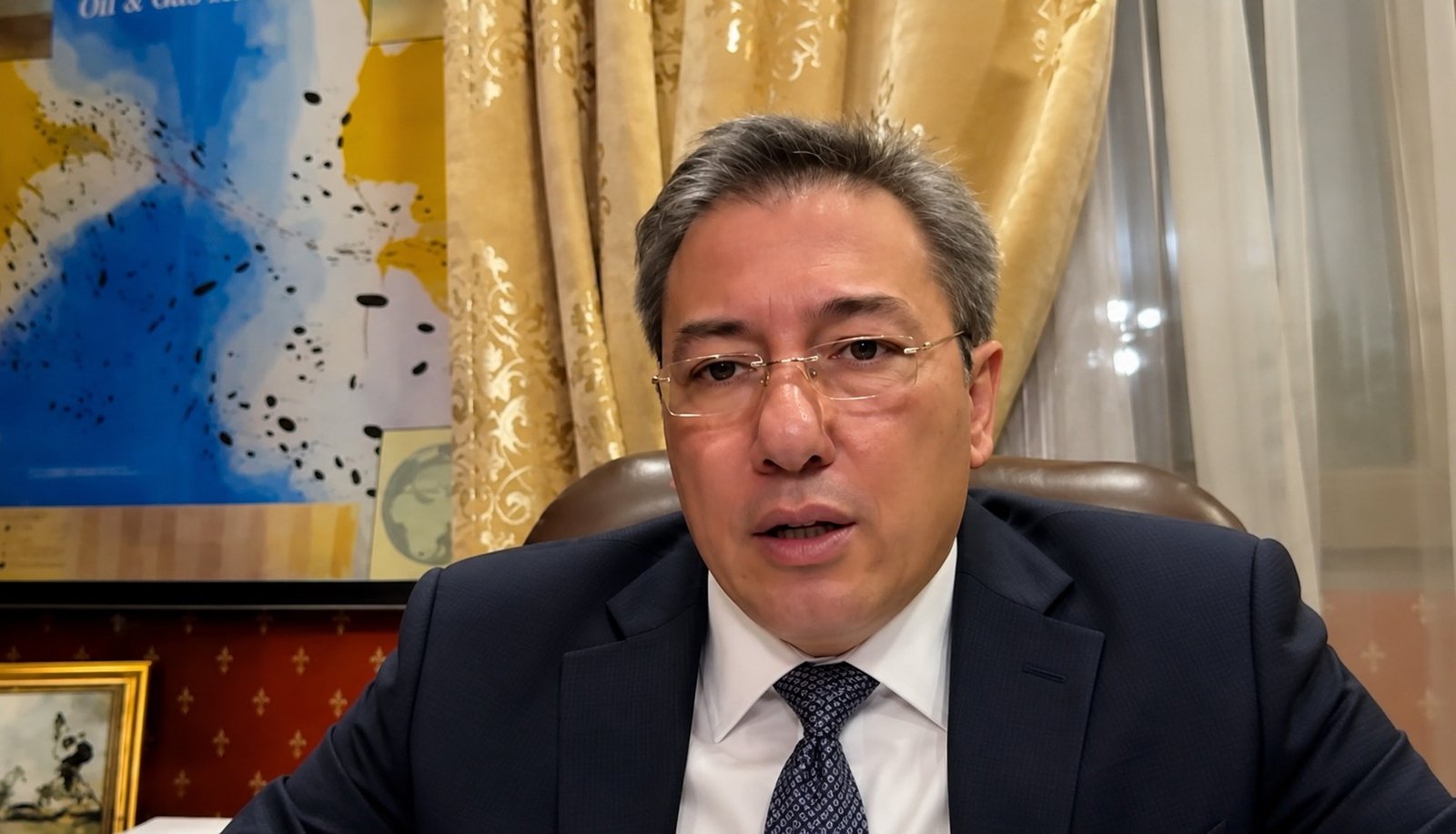
Velizade, who heads the South Caucasus Political Scientists Club, made the remarks in an interview with the Echo Baku YouTube channel.
Azerbaijan and Armenia Speak to Moscow From Different Positions
According to Velizade, Russia’s current disputes with Azerbaijan and Armenia differ fundamentally, although both Baku and Yerevan increasingly seek to pursue independent foreign policies.
Their ability to do so, however, is not comparable.
Azerbaijan is largely independent of Russia in terms of energy security, has substantial financial reserves and relies on its alliance with Turkey. Armenia has no comparable “safety cushions,” the analyst said.
“Yerevan only has Macron, to be honest,” Velizade said, arguing that European governments have limited ability to offset Armenia’s dependence on Russia.
In his assessment, Pashinyan is attempting to speak to Moscow as the leader of an autonomous regional actor without first building the economic and strategic resources needed to support that position.
“I Am the Director of This Hotel”
Velizade linked the prosecution of Armenian opposition figures to Pashinyan’s effort to consolidate control over the country’s political system.
“He is saying: ‘I am the director of this hotel.’ He has shown Putin that the old rules have been left behind,” Velizade said.
The analyst argued that Pashinyan’s actions are directed not only against domestic rivals but also send a message to Moscow that political decisions in Armenia will be made exclusively by the current government.
Velizade said former Armenian presidents Robert Kocharyan and Serzh Sargsyan had adopted different tactics.
Kocharyan and his allies openly discussed returning to power, while Sargsyan generally acted more cautiously and avoided personally leading a public confrontation with the government.
Nevertheless, Velizade said, Pashinyan appears determined to apply pressure across Armenia’s former political establishment.
Possible Transfer of Kocharyan and Sargsyan
Velizade said Azerbaijan considers the prosecution of Kocharyan and Sargsyan a matter of principle.
In his view, both former Armenian presidents should face Azerbaijani justice over their alleged actions during the Karabakh conflict.
“If Pashinyan wants Moscow to leave him alone, he should hand them over to us. They would be transferred to our law enforcement agencies, and the matter would be closed,” he said.
The comment represented Velizade’s personal assessment. There have been no public reports of official negotiations between Baku and Yerevan over the possible transfer of the former Armenian leaders.
How Azerbaijan Could Help Armenia
Velizade said Azerbaijan could, under certain conditions, help Armenia mitigate the consequences of potential Russian economic pressure.
Possible measures could include shipments of certain goods through Georgia, the restoration of energy links and the development of regional transport connections.
The analyst pointed to the Gazakh-Ijevan gas pipeline, which could theoretically be used to deliver Azerbaijani gas to Armenia. The Armenian section of the pipeline would first need to be restored, however, and such work could not be completed within a few months.
Velizade argued that the Iran-Armenia pipeline is not a full alternative. Iranian gas delivered through that route is used to generate electricity in Armenia, with the electricity then supplied back to Iran under an exchange arrangement.
“Azerbaijan will do as much as it can, but only if the necessary conditions are in place. Delivering goods through Georgia is one thing; gas supplies and power lines require time,” he said.
Baku Will Not Fight Russia’s Battle for Armenia
Despite the possibility of economic cooperation with Yerevan, Azerbaijan has no intention of becoming a party to the confrontation between Russia and Armenia, Velizade said.
“We will not enter an open information war with Russia on Pashinyan’s behalf. That is not our business,” he said.
According to the analyst, relations between Baku and Moscow remain manageable despite existing disputes. Russian officials continue to signal at the official level that they want to preserve cooperation with Azerbaijan and avoid crossing certain red lines.
Moscow permits itself to use much harsher rhetoric toward Armenia because Yerevan remains heavily dependent on Russian energy, infrastructure and access to the Russian market, he added.
Armenia Is Still Losing Time
Velizade described Yerevan’s prolonged attempt to balance between Russia and the West as a strategic mistake. Armenia initially relied on Moscow and later placed excessive hope in France and the European Union, he said.
Yerevan should have moved earlier to establish pragmatic relations with Azerbaijan and Turkey, negotiate the reopening of regional transport links and develop alternative economic routes.
“Armenians do not gain time by delaying negotiations. They lose it. In the end, they still have to accept practically all the points proposed by Azerbaijan,” Velizade said.
Future talks on border delimitation, transport routes and normalization should be conducted directly between Baku and Yerevan without third-party interference, according to the analyst.
If Armenia accelerates negotiations, Velizade said, the parties could achieve substantial progress. Turkey could then join the broader regional normalization process at a later stage.
AZE.US