AZE.US
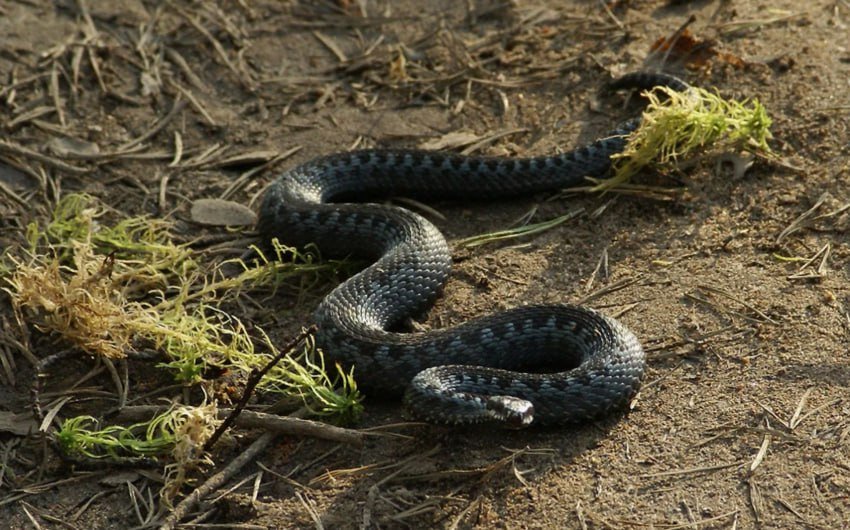
The mass killing of snakes threatens the natural balance and could lead to an increase in rodent populations, an Azerbaijani medical professor has warned amid more frequent summer encounters between people and snakes.
Adil Geybulla, a doctor of medical sciences and professor, said extensive construction across the Absheron Peninsula had sharply reduced the natural habitat available to snakes and other wildlife.
“About 30 years ago, there were many open areas on the Absheron Peninsula where snakes, dogs, cats and other animals lived,” Geybulla told Demokrat.az.
“Today, much of that land has been occupied and developed with houses and gardens. As a result, the habitat of wild animals, including snakes, has significantly narrowed. At the same time, snakes are often killed as soon as they are seen.”
Geybulla said snakes play an important role in ecosystems, particularly by controlling rodent populations.
“Snakes have their own function in nature,” he said. “Mass killing and fighting them in this way reflects a misunderstanding of the natural world.”
He also noted that venom from poisonous snake species found in the South Caucasus has long been used in the production of various medicines.
The professor questioned why some animal rights advocates who actively protect stray cats and dogs do not display the same concern when snakes are killed.
“Why do defenders of cats not speak out with the same sensitivity against the killing of snakes?” he said. “They are also living creatures and have a function in the wild.”
In many countries, Geybulla said, trained specialists capture snakes found near residential areas and release them back into the wild. In Azerbaijan, however, people often kill snakes after building homes and gardens on land that once served as their natural habitat.
“People occupy open land, build country houses and then kill snakes as soon as they see them. But where are the snakes supposed to live?” he asked.
Geybulla also criticized what he described as a superficial approach to helping stray animals. Leaving food on the street is not sufficient, he said, if an animal remains sick, malnourished or infected with parasites.
“If people want to protect cats, they should take them home, have them examined by a veterinarian and provide proper care,” he said. “Simply leaving food for a sick or emaciated animal does not, in itself, represent genuine humane treatment.”
He described videos showing snakes being killed and shared on social media as unacceptable, warning that removing one link from the ecosystem would inevitably have consequences.
His comments followed a fatal incident in Hasanabad, a settlement in Azerbaijan’s Neftchala district. A man born in 1962 was bitten by a blunt-nosed viper, locally known as a gyurza. He killed the snake after being bitten but later became seriously ill.
His family learned about the snakebite too late, and the man could not be saved.
AZE.US