AZE.US
A debate over payroll taxes in Azerbaijan’s private sector may seem like a narrow technical issue. In reality, it touches on a much larger question: what kind of economic model the country wants to pursue in the coming decade.
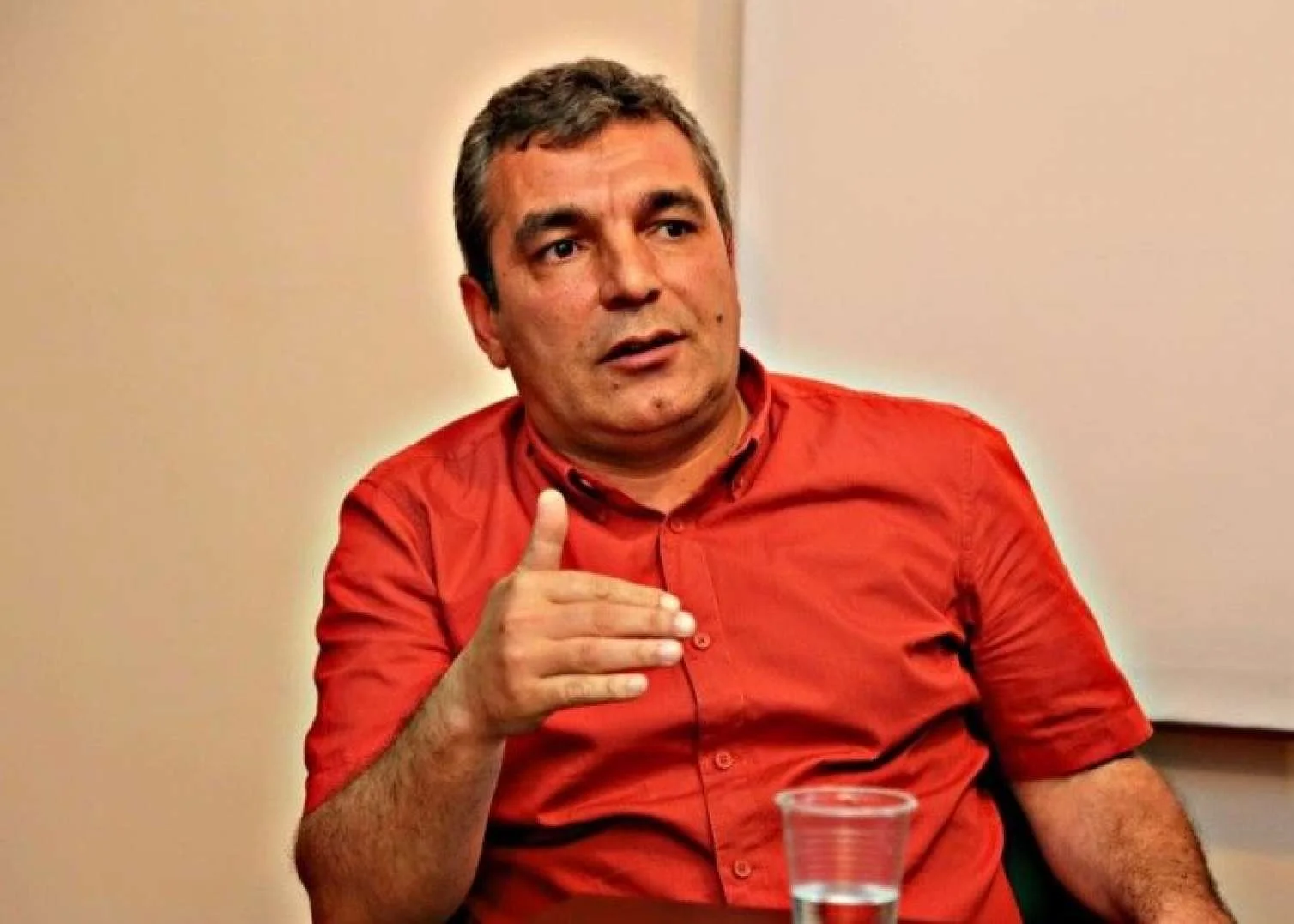
The discussion was sparked after Azerbaijani economist Natig Jafarli publicly questioned the government’s decision to gradually increase the tax burden on private sector employees. The increase - planned at 3% this year, 5% next year and 7% by 2028 - comes after several years of tax reforms designed to legalize employment and improve tax administration.
Economy Minister Mikayil Jabbarov has argued that earlier reforms, introduced in 2019, helped improve the business environment and bring more economic activity into the formal sector.
But the data cited by Jafarli points to a more complicated picture.
Between 2020 and early 2026, the number of salaried employees in Azerbaijan rose from 1.645 million to 1.808 million - an increase of about 163,000 workers. During the same period, public sector employment declined while private sector employment rose from 733,300 to 942,000 workers.
On paper, that looks like a significant shift toward private sector growth.
Yet the key question is whether those numbers represent genuine job creation or simply the formalization of jobs that already existed. Jafarli argues the latter. According to his assessment, stricter inspections and enforcement pushed businesses to officially register workers who had previously been employed informally.
If that interpretation is correct, the past reforms did not necessarily create large numbers of new jobs - they mostly brought existing employment into the formal economy.
That distinction matters.
Formalization is a positive step for transparency, tax collection and worker protection. But it does not automatically mean that the economy is generating enough new opportunities.
This is where the current policy debate becomes more sensitive.
Supporters of higher payroll contributions argue that the state needs stable revenue sources and stronger social insurance funding. Governments everywhere face the same challenge: balancing fiscal sustainability with economic growth.
But critics worry that increasing the tax burden too quickly could discourage hiring, especially among small and medium-sized businesses that operate with limited margins.
For many companies, even a few percentage points in additional payroll costs can change hiring decisions. In a fragile economic environment, businesses may respond by freezing recruitment, reducing staff, or shifting more activity back into informal arrangements.
In other words, policies designed to increase tax revenue could, under certain conditions, weaken the very economic base they depend on.
Jafarli’s proposals reflect a different approach. Instead of increasing tax pressure, he suggests expanding incentives for small businesses - including raising the VAT threshold to 1 million manats, simplifying turnover taxes and improving access to affordable credit.
One of his more ambitious ideas is the creation of a state investment and agrarian bank funded partly by the State Oil Fund of Azerbaijan, which could provide loans to small businesses and farmers at relatively low interest rates.
Whether such proposals are politically feasible is another matter. But they highlight a broader concern: Azerbaijan’s growth model.
For much of the past two decades, economic expansion has been strongly supported by public spending fueled by oil revenues. That model delivered infrastructure, stability and rapid development.
But as energy revenues fluctuate and fiscal pressures increase, governments inevitably face a strategic choice.
They can attempt to compensate by raising taxes and fees - or they can focus on expanding the private sector so that economic growth itself generates new revenue.
The debate now unfolding in Azerbaijan suggests the country may be approaching precisely that crossroads.
Ultimately, the real issue is not simply whether payroll taxes should rise by a few percentage points. The deeper question is how Azerbaijan intends to sustain growth, create jobs and diversify its economy in the years ahead.
Because in the long run, tax systems do not drive prosperity on their own. Economic activity does.