Turkish President Recep Tayyip Erdoğan’s expected Nov. 8 visit to Azerbaijan could signal an effort to move past a rare period of tension between the two allies, but the dispute has exposed disagreements that may require more than a public display of unity.
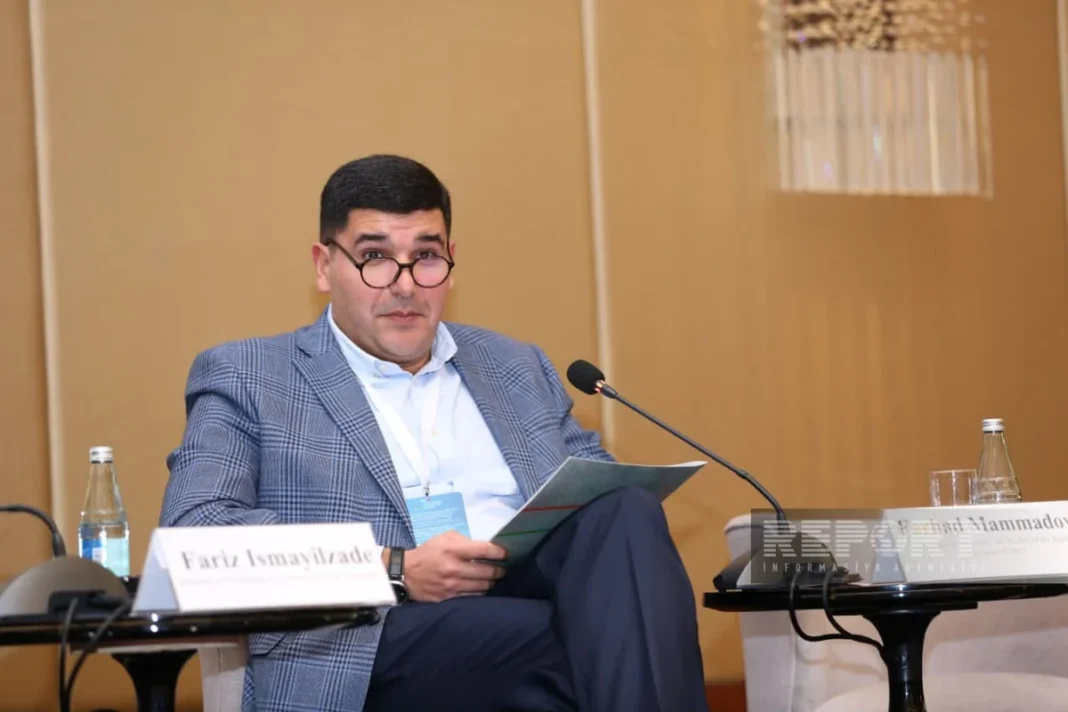
The state of Azerbaijan-Turkey relations was a central topic in the latest weekly program on the Novosti Kavkaza YouTube channel, where political analyst Farhad Mammadov and host Gela Vasadze reviewed the events that strained the strategic partnership.
The dispute began after Azerbaijan changed its school-uniform rules and reports emerged that students wearing hijabs were being denied entry to some schools. Turkish political and public figures criticized Baku, including presidential adviser Oktay Saral, who urged Azerbaijan to reconsider the restrictions.
Azerbaijani officials and the ruling New Azerbaijan Party characterized the criticism as interference in the country’s internal affairs.
The disagreement soon extended beyond school policy. President Ilham Aliyev did not attend an Organization of Turkic States summit in Ankara in late October despite a personal invitation from Erdoğan. Foreign Minister Jeyhun Bayramov represented Azerbaijan. No official explanation tied Aliyev’s absence to the dispute, but it fueled public speculation about a rift.
Erdoğan Moves to Ease the Strain
Erdoğan spoke with Aliyev by telephone and removed Saral from his advisory position. On Nov. 5, the Turkish leader publicly said he intended to visit Baku for Azerbaijan’s Victory Day celebrations and expressed confidence that the two countries could overcome existing obstacles.
The episode raised questions about whether routine diplomatic channels are strong enough if the presidents themselves must intervene to contain a disagreement.
The 2021 Shusha Declaration formalized the countries’ strategic alliance, including defense and security cooperation. The dispute nevertheless showed that close ties do not eliminate differences over domestic policy or regional strategy.
Azerbaijan’s relationship with Israel remains one sensitive issue. Baku considers its cooperation with Israel strategically important, while some Turkish political circles have sharply criticized those ties. Ankara and Baku also have different interests in aspects of the normalization process involving Armenia.
Visit May Pause, Not Resolve, the Dispute
Erdoğan’s visit would demonstrate that both governments want to preserve the partnership and prevent further escalation. But Mammadov’s discussion emphasized that the test will be whether the causes of the recent dispute are addressed after the Victory Day ceremony.
For Baku, sovereignty and noninterference remain central principles. For Ankara, the relationship is a pillar of Turkish influence and coordination in the region.
The central question is therefore not whether Aliyev and Erdoğan will publicly demonstrate unity, but whether their governments can prevent statements by individual political figures from again developing into an interstate dispute.
Sources: Vesti Baku; earlier Vesti Baku reporting; Reuters.