BAKU - Azerbaijani and Armenian societies will need considerable time to overcome mutual distrust even after their long conflict is formally settled, two analysts said, suggesting that visits to relatives’ graves could be among the first practical humanitarian steps.
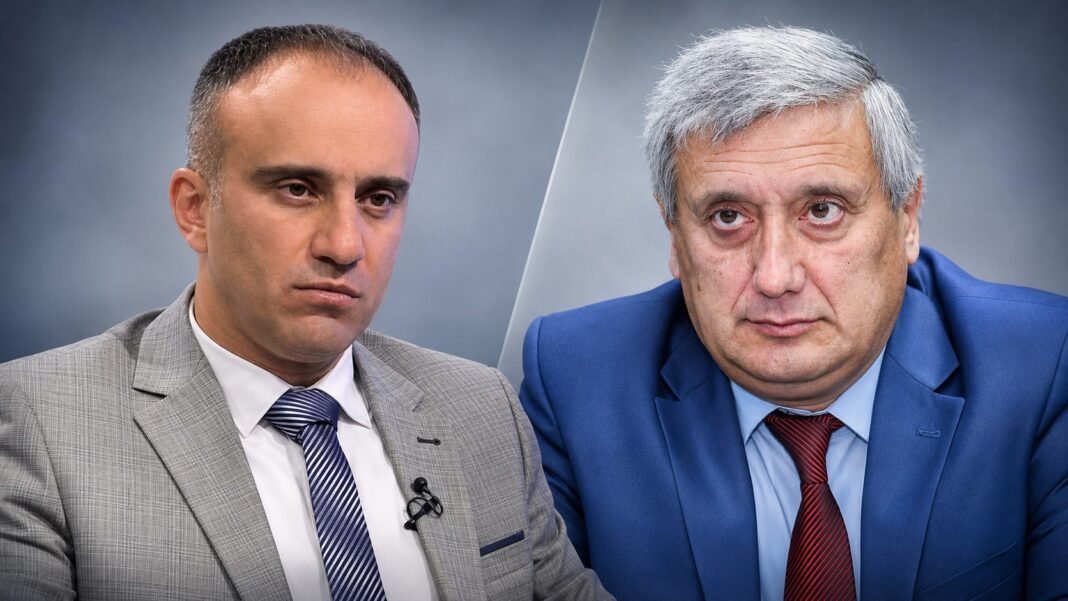
Azerbaijani political scientist Sahil Iskenderov and Armenian analyst Robert Ghevondyan discussed the issue on the Aktualnaya Tema program on PressClubs TV’s YouTube channel.
The discussion followed a visit to Baku by Armenian-born musician Arsen Agamalyan, who left Azerbaijan more than 30 years ago. His return prompted mixed reactions in both countries’ information spaces and again raised the question of whether the two societies are ready to normalize relations.
Rebuilding Trust May Be Harder Than Ending the Conflict
Ghevondyan said neither Armenian nor Azerbaijani society was yet ready for the full restoration of person-to-person contacts. He described the first visits by representatives of the two peoples as attempts to move from confrontation toward peaceful coexistence, but said such contacts remained exceptions rather than normal practice.
Iskenderov agreed that restoring trust could take much longer than completing a political settlement. He said the conflict had affected many families on both sides and that it would be unrealistic to expect grievances and painful memories to disappear quickly.
At the same time, Iskenderov pointed to examples of Armenians and Azerbaijanis communicating normally outside their home countries, including in business and personal life. He said those relationships showed that renewed human contact was possible.
Start With Visits to Relatives’ Graves
One of Iskenderov’s most concrete proposals was to create conditions for reciprocal humanitarian visits. Before discussing large-scale returns to former places of residence, he said, the sides should address simpler but sensitive matters.
That could include allowing Azerbaijanis who formerly lived in Armenia to visit the graves of relatives and giving Armenians who left Azerbaijan the same opportunity. Iskenderov said such steps could gradually help rebuild public trust.
He described permanent return to former homes as a much more difficult issue and said a practical solution might require several generations. He also argued that South Caucasus countries should discuss humanitarian matters directly, with Georgia involved if necessary, rather than relying on outside mediators.
Different Levels of Readiness
Ghevondyan said Azerbaijani society appeared somewhat better prepared psychologically for renewed contact with Armenians than Armenian society was for contact with Azerbaijanis. He linked the difference largely to the outcome of the latest war, arguing that a victorious society generally finds normalization easier than a society dealing with defeat.
Ghevondyan said he saw no fundamental obstacle to private visits by Azerbaijanis to Armenia, including visits to former neighbors. He cautioned, however, that such events should not be turned into political performances or publicity campaigns.
Debate Over the Role of Young People
The experts differed over how older generations and state institutions should approach young people. Ghevondyan said the younger generation could build new relationships on its own because it did not carry the same direct experience of war as older people. He said adults should focus on removing remaining obstacles and creating conditions for young Armenians and Azerbaijanis to communicate freely.
Iskenderov warned against leaving the process entirely to younger people. He said their views were shaped by social media, news outlets and political forces, and argued that governments and civil society institutions should work more actively against ethnic hatred and hostile rhetoric. The leadership of both countries, he said, should set the direction.
Peace Bridge Has Met Four Times but Has Few Results
The discussion also covered the Peace Bridge initiative, which is intended to foster direct contact between Azerbaijani and Armenian civil society representatives.
Iskenderov said he regretted that the project’s development had slowed, though he supported continuing it. Ghevondyan, who participated in two of the four meetings held so far, disputed the idea that the initiative was frozen. He said its work continued but needed to produce practical results.
As an example, Ghevondyan proposed arranging trade in a specific product between the two countries through the initiative. Such a step, he said, could demonstrate the concrete benefits of cooperation, though he acknowledged that no such result had yet been achieved.
Armenia’s Constitution Remains a Point of Disagreement
Although the speakers agreed on the need for peace, they differed over statements by Armenia’s leadership. Iskenderov said some remarks by Armenian officials appeared contradictory and created additional problems for building trust.
Ghevondyan rejected that assessment, saying Armenia’s government had consistently supported a peace agenda. He said it could not guarantee a constitutional change in advance because such a decision had to be made by the country’s citizens.
He also argued that normalization did not require Armenians and Azerbaijanis to share the same interpretation of Karabakh’s history. Peace, he said, meant living without conflict while retaining different points of view.
A Peace Agreement Will Not Erase Distrust
Both experts concluded that an official settlement would be only one stage in a longer process. Iskenderov urged the sides not to miss the current opportunity for normalization, warning that changes in the international environment could create new obstacles.
Ghevondyan said he hoped direct contacts would continue and lead to concrete joint projects. Their discussion underscored that even when political leaders are willing to make peace, restoring trust between people will require separate and sustained work.
Source: Vesti Baku.