AZE.US
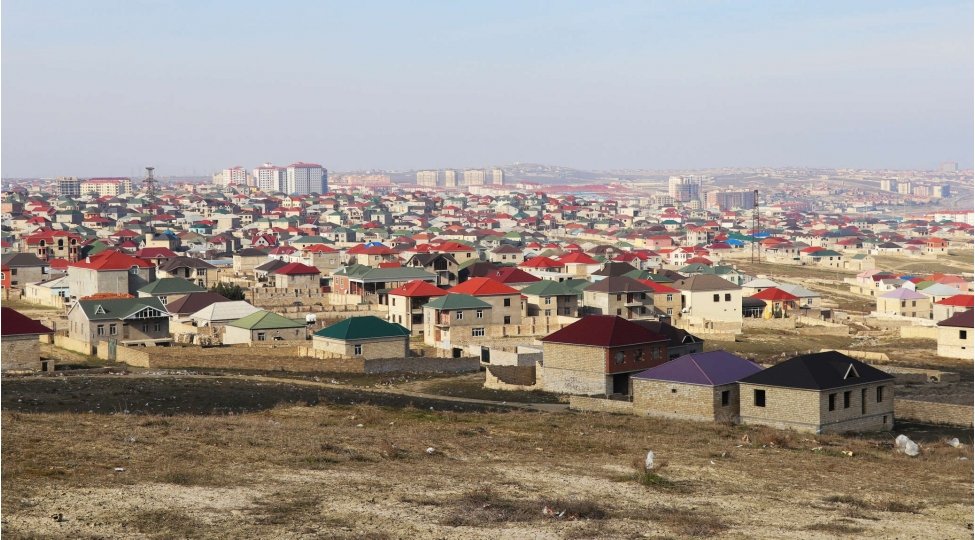
Hundreds of thousands of homes in Azerbaijan could enter the formal property market if the government moves ahead with granting legal title deeds to buildings whose ownership status has never been fully registered.
Real estate expert Anar Nasirov told Demokrat.az that describing all such properties as “undocumented homes” is misleading. Many have legal addresses and initial ownership papers but lack an official extract from the state real estate registry, known in Azerbaijan as a çıxarış.
More Than 500,000 Homes Could Be Affected
According to Nasirov, Azerbaijan is believed to have more than 500,000 homes without formal title deeds. Their number increased substantially because of legal and administrative gaps in the construction sector since the 1990s.
He said approximately 90% of these properties are connected to water, natural gas and electricity networks. Utility meters have been installed, and residents have paid bills, property-related charges and waste collection fees for years.
Courts, the Interior Ministry and other government agencies also send official correspondence to the legal addresses of these homes.
Many properties were built on land allocated to residents by local executive authorities, collective farms, state farms or other institutions. Some plots were later documented by municipalities.
For this reason, Nasirov said most should be described as homes without state-issued title deeds, rather than properties with no documentation whatsoever.
Legalization Could Proceed in Stages
The expert proposed initially formalizing properties that have preliminary documents, legal addresses and utility connections.
Authorities could then examine homes that lack both documentation and access to public utilities.
A separate legal mechanism would be required for properties built in restricted or hazardous areas, including locations:
- beneath high-voltage power lines;
- within protected road and railway zones;
- near oil pipelines;
- close to oil wells and other industrial facilities.
Large residential communities have existed in some of these areas for decades. Any legalization process would therefore have to balance residents’ property rights with safety requirements and restrictions on land use.
More Homes Could Enter the Formal Market
Without title deeds, owners face serious restrictions. They may be unable to complete an official sale, register a lease, use the property as collateral or make it eligible for mortgage financing.
Granting title deeds would allow these homes to participate more actively in the legal property market. It would also expand the number of properties available for official sale, rental and bank-backed transactions.
The impact on prices, however, would not be uniform.
In areas where legalization significantly increases the supply of marketable homes, additional inventory could restrain price growth. At the same time, receiving a title deed would raise the legal security and commercial value of individual properties that were previously difficult to sell.
Prices would ultimately depend on the property’s location, condition, land status, level of documentation, access to utilities and demand in the surrounding area.
Legalization could also make it easier for residents to register their addresses and gain access to healthcare, government benefits and other public services tied to their official place of residence.
AZE.US