AZE.US
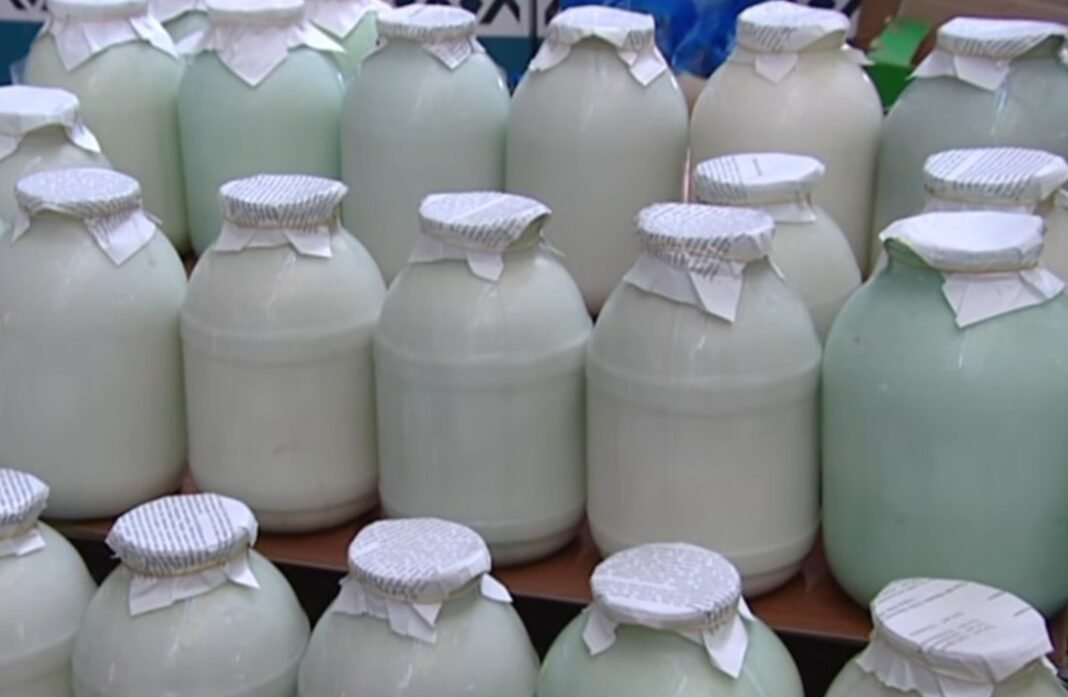
Azerbaijani dairy farmers say buyers are offering as little as 0.25 manat, or about $0.15, per liter of raw milk, a price they say does not come close to covering production costs.
The complaints come as Azerbaijan’s milk imports have reportedly increased by 35%, raising questions about why local producers are struggling to find buyers while more dairy products enter the country from abroad.
Farmers say milk that once sold for 0.90 to 0.95 manat ($0.53 to $0.56) per liter is now being offered to wholesalers for just 0.25 to 0.40 manat ($0.15 to $0.24).
“Buyers come and offer 25 gapiks per liter,” one farmer said. “We need at least 0.70 to 0.80 manat ($0.41 to $0.47) to cover fuel, feed and other expenses and still have something left.”
Producers say the cost of animal feed, veterinary care, fuel and farm maintenance has risen. Many also lack their own grazing land and must purchase hay and feed throughout the year.
Milk’s short shelf life leaves farmers with little bargaining power. Without proper collection and cooling facilities, producers often have to accept whatever price buyers offer or risk losing the entire batch.
Economist Kamran Hajiyev said Azerbaijan produces more than 2 million tons of milk a year, enough in volume to meet much of the domestic market’s needs.
The problem, he said, is not simply how much milk is produced. Small farms often lack modern equipment, cooling systems and reliable access to processing plants. The quality and consistency of raw milk may also fall short of industrial requirements.
Limited feed supplies, low-productivity cattle and outdated production methods make local milk more expensive and harder to process at scale.
Why imports are rising
Milk powder and other dairy ingredients can sometimes be purchased abroad more cheaply than locally produced raw milk, making imports attractive to processing companies.
Imports can help keep consumer prices from rising sharply and give shoppers more choice. But heavy reliance on foreign products may also reduce demand for milk produced by Azerbaijani farmers.
When farmers cannot sell their output at a sustainable price, they have little incentive to expand their herds or invest in better equipment. Over time, that could weaken domestic dairy production.
Experts say Azerbaijan does not face an overall shortage of raw milk. Imports continue because of gaps in quality, productivity, processing capacity and market organization.
Farmers argue that better collection centers, refrigerated storage and direct links to processing plants could reduce losses and narrow the gap between the price paid to producers and the cost of dairy products in stores.
AZE.US