By AZE.US
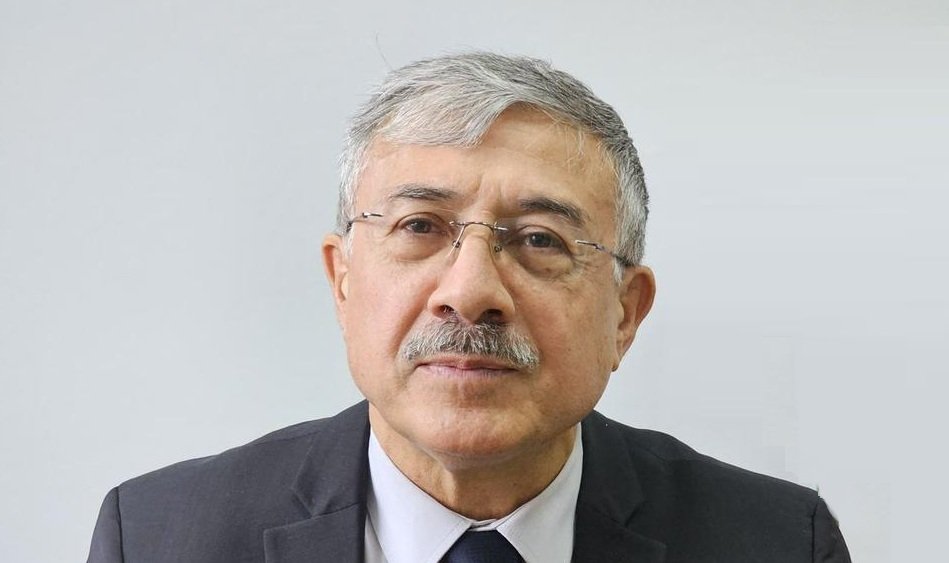
Peace with Azerbaijan and normalized relations with Turkey should be Armenia’s leading foreign-policy priorities, while waiting for a more favorable international climate or trying to exploit differences between Baku and Ankara could cost Yerevan opportunities, independent expert Chingiz Mammadov said.
Mammadov made the comments during an appearance on the Daily Europe Online YouTube channel.
He said Armenian Prime Minister Nikol Pashinyan retains political flexibility but that efforts to maneuver simultaneously among several centers of power make it harder for Yerevan to set a clear order of priorities. Stronger ties with Armenia’s immediate neighbors, he argued, would give its government greater independence in negotiations with outside partners.
“The best course for Pashinyan is to pursue peace with Azerbaijan and Turkey. Then the other boards will also begin to work for him,” Mammadov said.
Turkish Border Opening Tied to Baku-Yerevan Relations
Mammadov expressed skepticism that Turkey would open its border with Armenia without coordinating the move with Azerbaijan. He said that assessment reflected not only the close Baku-Ankara alliance but also Turkey’s own interests.
In his view, Turkish-Armenian and Azerbaijani-Armenian disputes are interconnected, making it difficult for Yerevan to achieve lasting normalization on one track while leaving key questions unresolved on the other.
“With a very high degree of probability, Turkey will not open its border with Armenia without coordination with Azerbaijan,” Mammadov said.
He also cautioned Armenia against relying on a change in the political climate in the United States. External backing cannot substitute for functioning relations with neighboring states, he said, describing regional peace as the foundation for transport and economic projects.
Azerbaijan and Armenia initialed the text of a peace agreement and signed a joint declaration in Washington on Aug. 8, 2025. Azerbaijani officials have since said contacts and limited trade between the two countries are underway, while a final treaty remains unsigned. President Ilham Aliyev discussed the process on Oct. 2.
Israel Ties and Azerbaijan’s Reliability
Asked about tensions in parts of the Azerbaijani-Turkish public debate, Mammadov pointed to the two countries’ differing relationships with Israel.
Turkey and Israel have their own regional disputes, he said, while Azerbaijan built cooperation with Israel around its efforts to restore territorial integrity and strengthen its international position.
Mammadov placed particular importance on support for Azerbaijan among pro-Israel circles in the United States, saying it helped Baku resist initiatives it considered unfavorable and expanded its diplomatic options.
For that reason, he said, demonstratively distancing Azerbaijan from a partner under outside pressure would be a mistake. Reliability remains an important state asset, he argued.
Cooperation with Israel does not prevent Azerbaijan from supporting Palestinians or endorsing a two-state solution, Mammadov added. A strong and independent Azerbaijan, he said, serves the interests of Turkey and other Turkic countries.
Teachers, Schoolgirls and the Hijab Debate
Turning to Azerbaijan’s school-uniform debate, Mammadov said the position of teachers should be distinguished from that of students.
He said adult teachers with established beliefs should be allowed to work while wearing the hijab.
“There are very good teachers who wear hijabs, and they should not be deprived of the opportunity to give students a good education,” he said.
Mammadov described the question of schoolgirls as more complicated. Children are strongly influenced by their families, he said, while public schools also have a duty to preserve their secular character and broaden students’ understanding of the world.
He acknowledged that his own view shifted as the controversy developed. Mammadov said he initially placed greater weight on parental choice but later came to better understand the state’s arguments. He still called for dialogue with families and warned that rigid prohibitions could produce the opposite of their intended effect.
Discontent Should Not Automatically Be Blamed on Foreign Influence
Mammadov said foreign actors may try to exploit religious issues to deepen tensions in Azerbaijan, but he argued that it would be wrong to apply that suspicion to all believers.
Most religious citizens are guided by their own convictions, he said. The government should distinguish between attempts at political interference and sincere concerns raised by parents.
Mammadov supported public discussion before sensitive rules are adopted, saying debate can clarify their consequences and make them easier for society to accept. He firmly rejected violence as a form of protest, drawing a line between legitimate criticism and the use of force.
Source: Vesti Baku, based on the Daily Europe Online broadcast.