AZE.US
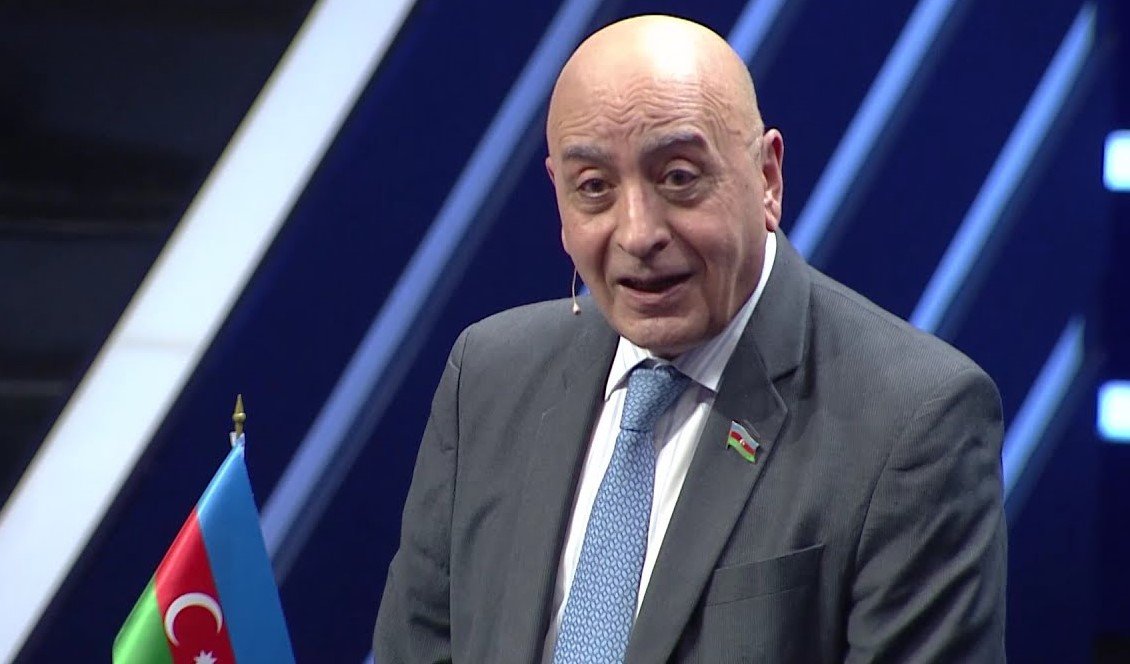
Russian pressure on Armenia backfired and helped mobilize voters behind Prime Minister Nikol Pashinyan, Azerbaijani lawmaker Rasim Musabekov said.
Speaking on the Daily Europe Online YouTube channel, Musabekov said Moscow had used the resources available to it to weaken Pashinyan’s position ahead of Armenia’s parliamentary election.
The goal, he argued, was either to prevent the ruling Civil Contract party from winning or to leave it with a narrow and unstable majority that could later be challenged by persuading individual lawmakers to defect.
Instead, Russia’s tactics produced the opposite result.
“This is the usual bureaucratic, arrogant, imperial attitude that everyone can be pressured,” Musabekov said. “No, people cannot simply be pressured.”
According to the Azerbaijani MP, Moscow’s threats and attempts to influence the political process encouraged some Armenians to support Pashinyan even if they had previously been disappointed with his government.
“Many people who may have been disappointed with Pashinyan went and voted for him in response to such a rude intrusion into the electoral process and attempts to dictate their choice,” he said.
Musabekov described the result as a major political achievement for Pashinyan. He said the ruling party had won nearly half of the vote and could secure between 61 and 64 seats, enough for a firm parliamentary majority even without the numbers required to amend constitutional legislation on its own.
He also credited Pashinyan’s direct campaigning style. The Armenian prime minister traveled across the country, spoke to voters and openly debated difficult issues, sometimes in a confrontational manner.
“In the end, people voted to stop being a Russian outpost,” Musabekov said. “It is humiliating for a country that has been independent for more than 30 years to continue being viewed only as an outpost.”
Vote reflected demand for peace
Musabekov said the election also showed that a significant part of Armenian society supports peace with Azerbaijan and does not want another war.
He pointed to Armenia’s 2021 election, held shortly after its defeat in the 44-day war. Despite opposition accusations that Pashinyan was responsible for both the conflict and the military defeat, Armenian voters returned him to power.
“They did not want war,” Musabekov said. “They may still find it difficult to accept the defeat, but they understand that fighting again would be madness. They want peace.”
The Azerbaijani lawmaker said Baku had changed the political reality in the South Caucasus by winning the war and then offering Armenia a peace agreement.
He also pointed to the opening of Azerbaijani transport routes and fuel supplies to Armenia, even though Azerbaijan has not yet gained access to Armenia’s transportation network for travel to Nakhchivan.
Musabekov said Azerbaijan had supplied Armenia with approximately 30,000 metric tons of gasoline and diesel fuel. The additional source of fuel, he argued, had increased competition and helped prevent prices in Armenia from rising as sharply as they had in Russia.
Such economic developments are also affecting the attitudes of Armenian voters, he said.
‘No prospects without normalization’
Musabekov said Armenia cannot achieve sustainable development without normalizing relations with Azerbaijan and Turkey.
He recalled that Armenia’s first president, Levon Ter-Petrosyan, had made a similar argument years earlier, warning that domestic reforms alone would not give the country a viable future without peace with its neighbors.
“Without normalizing relations with Azerbaijan and Turkey, Armenia has no prospects for development,” Musabekov said.
He said Pashinyan had been willing to speak publicly about issues that remain deeply sensitive inside Armenia, including his description of the Karabakh movement as a mistake and a trap for the country.
Pashinyan has also said that the Karabakh issue and the campaign for unification with Armenia are closed, Musabekov noted.
“These were difficult things for many people to hear, but he did not try to hide them,” the lawmaker said. “He went to the public, explained his position and secured support.”
In Musabekov’s assessment, the election showed that nationalist forces opposing reconciliation with Azerbaijan do not represent the majority of Armenian society.
The next test for Pashinyan will be whether he can use his renewed political mandate to advance a peace agreement, open regional transportation links and continue Armenia’s gradual move away from dependence on Moscow.
AZE.US