AZE.US
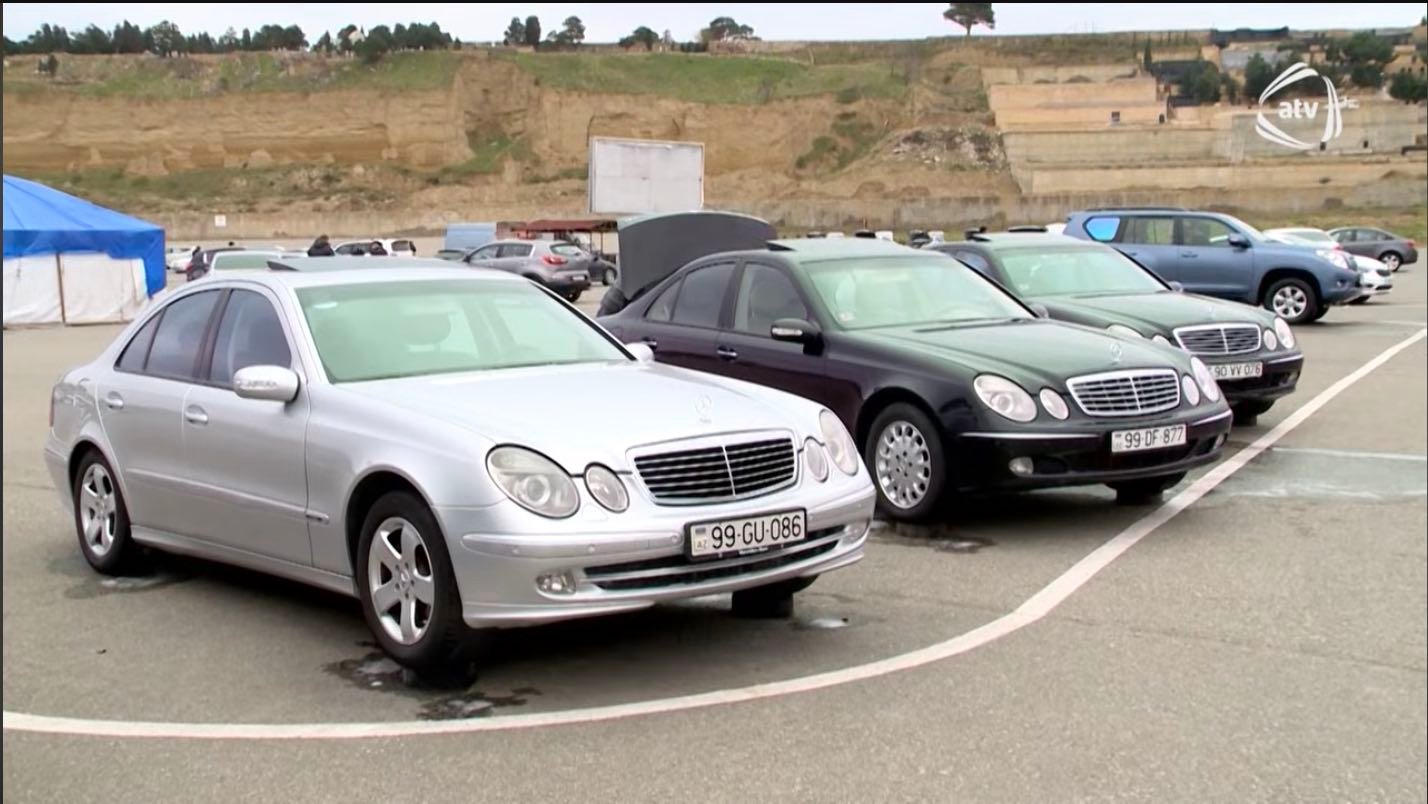
A noticeable slowdown has set in across Azerbaijan’s car market. Vendors who once struggled to handle weekend crowds now describe a sharp drop in foot traffic. In some segments, sellers outnumber buyers.
Traders say demand has weakened particularly in the used-car sector. While sales have not collapsed, the pace has clearly softened compared to previous months.
Chinese Models Shift Market Dynamics
One of the key changes has been the rapid expansion of Chinese-made vehicles. Dealers acknowledge that Chinese cars are being purchased, but argue that they have altered the structure of demand rather than expanded it.
According to market participants, American and Korean vehicles continue to hold relatively steady positions. Meanwhile, the Chinese segment appears to be experiencing some adjustment after an initial surge of interest.
Seasonal factors may also be playing a role. January and February are traditionally slower months for car sales, and prices during this period were slightly lower in several categories.
Import Data: Higher Value, Fewer Units
According to the State Customs Committee of Azerbaijan, Azerbaijan imported 7,591 vehicles in January 2026 worth $176.542 million.
Compared with January 2025:
-
Import value increased by 27 percent.
-
The number of imported vehicles declined by 72 units, or 0.9 percent.
Passenger car imports totaled 6,774 units, 132 fewer than in the same period last year.
While the total number of vehicles decreased slightly, the higher import value suggests rising average prices. Analysts believe the market may grow more moderately this year, at around 2 percent annually, rather than at the faster pace seen previously.
Georgia Route And Regulatory Impact
A significant share of vehicles enters Azerbaijan through Georgia. New restrictions affecting the import of cars older than six years through that route could place upward pressure on prices in certain segments.
Another important shift involves hybrid vehicles. Tax and customs incentives previously applied to hybrids have expired. As a result, prices have effectively returned to their pre-incentive levels. Market observers note that this is not technically a price increase, but rather the end of temporary preferential treatment.
What To Expect Next
Experts say major price swings are unlikely at least until the Novruz holiday period. For now, the market appears to be stabilizing after a period of rapid structural change.
Key factors that could influence prices in the coming months include:
-
Spare parts costs
-
Raw material prices
-
Logistics and transportation expenses
If these inputs rise, vehicle prices are likely to follow.
At present, Azerbaijan’s car market is adjusting to shifting consumer preferences, regulatory changes, and evolving import patterns – a recalibration rather than a collapse.