AZE.US
Growing tensions in Iran are beginning to ripple across the Azerbaijani market, raising concerns among small and medium-sized businesses that rely on cross-border trade.
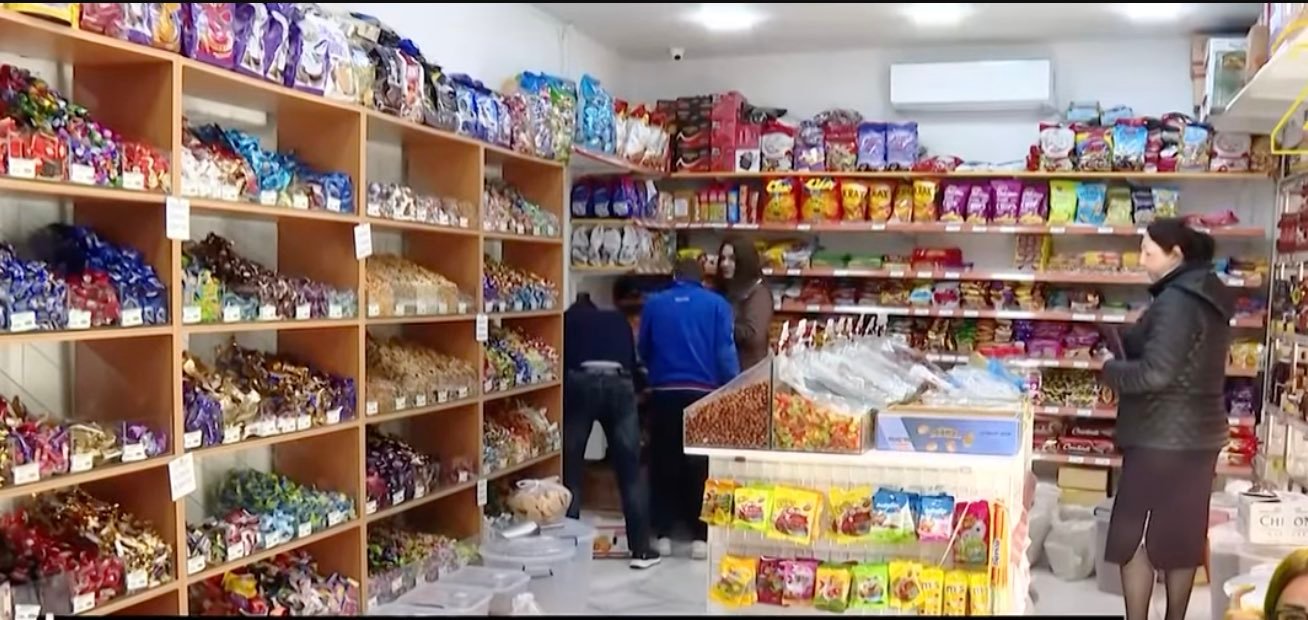
For years, Iran has remained an important supplier of everyday goods to Azerbaijan – from plastic household products to food items such as dried fruits, nuts, rice and sweets. Many local traders value Iranian products for their balance of price and quality, as well as established supply chains built over decades.
But uncertainty is now reshaping calculations.
Entrepreneurs involved in importing goods from Tabriz and other Iranian cities say currency volatility is the first and most immediate pressure point. When the U.S. dollar strengthens, import costs automatically rise. If exchange rates remain stable, retailers may hold prices for a short period. However, in Iran itself, wholesale prices tend to increase several times a year, compounding the effect.
Logistics present another layer of risk. Truck drivers operating on the Iran–Azerbaijan route report disruptions in communication and growing uncertainty about border procedures should the security situation deteriorate further. Even temporary delays can increase transportation costs and strain supply schedules.
According to official figures, trade turnover between Azerbaijan and Iran reached approximately $644 million in 2025, with consumer goods accounting for a significant share. While this volume is modest compared to Azerbaijan’s total foreign trade, it is strategically important for specific market segments.
Analysts suggest that if tensions remain short-lived, the impact will likely be limited to gradual price adjustments and sporadic delivery delays. However, a prolonged crisis could force businesses to reconsider sourcing strategies, potentially shifting more imports toward alternative suppliers such as Turkey or China – often at different cost and quality parameters.
For consumers, the consequences may emerge gradually through higher retail prices in selected categories. For businesses, the situation underscores a familiar lesson in regional trade: geopolitical risk quickly translates into financial risk.
Whether the current turbulence becomes a temporary disruption or a structural shift will depend largely on how events unfold in the coming weeks.