The World Bank plans to increase financing for the proposed Livable Baku project to 850 million manats ($500 million), with funds intended for polluted lakes and land as well as upgrades to waste-management infrastructure in Baku and the Absheron Peninsula.
The revised project parameters were published on Oct. 19 by Report and APA-Economics. The proposal is not yet approved: appraisal is scheduled to be completed by Oct. 26, 2026, and World Bank board consideration is expected on Feb. 18, 2027.
The project has a total estimated cost of about 1.005 billion manats ($591.25 million). Azerbaijan’s government would contribute about 155.1 million manats ($91.25 million). The proposed World Bank share is 153 million manats ($90 million) higher than the earlier financing plan of 697 million manats ($410 million).
Polluted Lakes and Land Targeted
The project calls for the rehabilitation of Zigh Lake, Khojasan Lake and the western section of Boyukshor Lake, along with selected oil-contaminated sites in Greater Baku. Reclaimed land could be used to expand green areas and support future urban development.
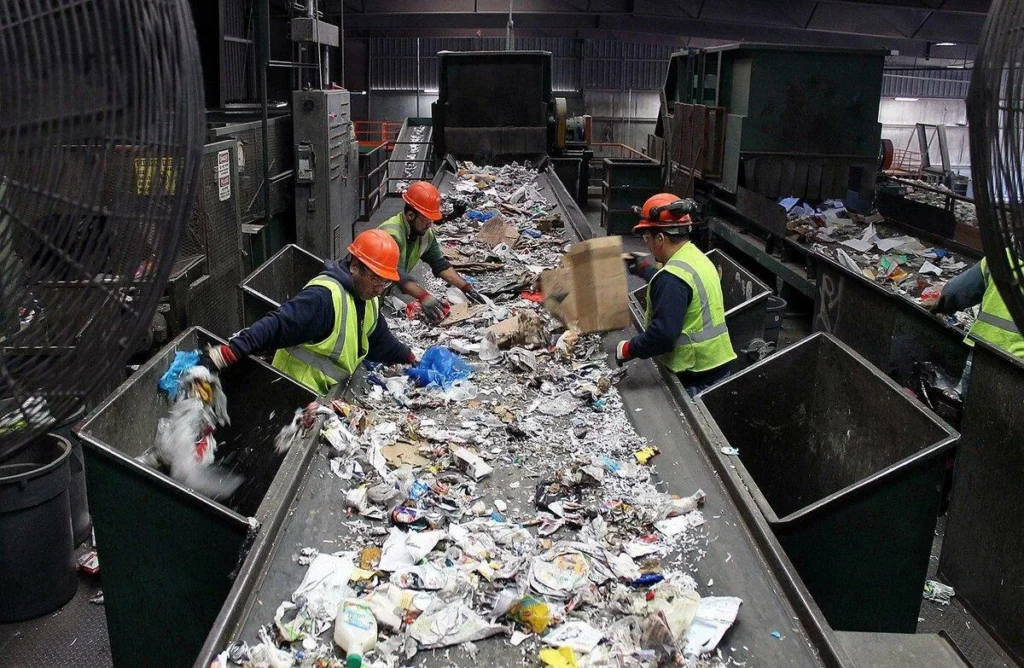
Another component covers new sanitary landfills, waste-transfer stations and facilities for sorting recoverable materials. A description of the planned waste infrastructure says a regional landfill would serve about 695,500 residents of the Absheron, Khizi, Shamakhi and Gobustan districts, as well as Sumgait.
Construction could begin only after environmental and social requirements are met, including the preparation of resettlement plans where necessary. The published financing figures therefore do not mean that the money has received final approval or that work has started.