AZE.US
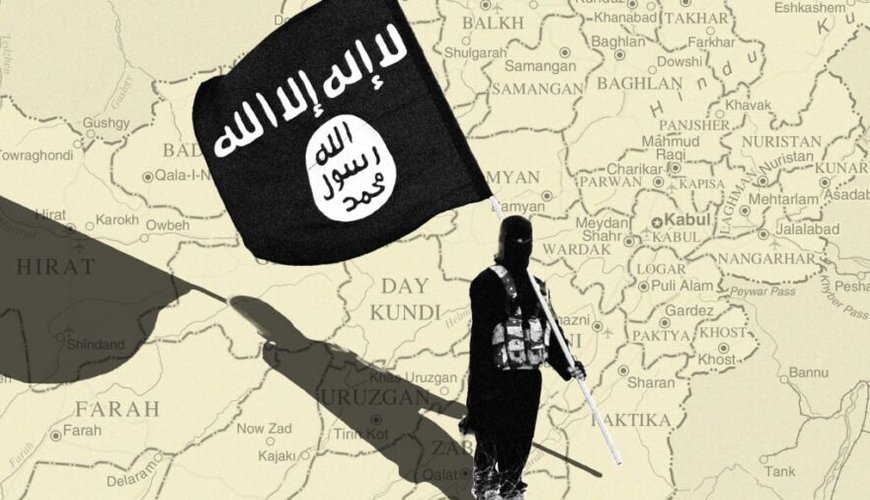
The reappearance of ISIS-K, also known as “Wilayat Khorasan,” amid tensions between Pakistan and the Taliban is raising new security concerns across the wider region, including the South Caucasus.
One of the most dangerous surviving branches of the Islamic State network – ISIS-K, or “Wilayat Khorasan” – has again drawn international attention amid rising tensions between Pakistan and the Taliban authorities in Afghanistan.
The militant group, widely known in international reporting as ISIS-K, operates primarily across Afghanistan, Iran, and parts of Central Asia and has been linked to several high-profile terrorist attacks in recent years.
The organization has claimed responsibility for a number of major attacks abroad, including the 2024 assault on the Santa Maria church in Turkey, the attack on Crocus City Hall in Moscow, and bombings targeting the Shah Cheragh shrine in Iran as well as attacks during commemorations marking the anniversary of Iranian commander Qassem Soleimani’s death.
Security analysts say tensions between Pakistan and the Taliban may create an environment in which extremist groups attempt to expand their activity beyond Afghanistan, including across Central Asia and other Muslim-majority regions.
Foiled Attack Plot In Baku
In January, Azerbaijani security services reported the arrest of several suspects accused of preparing a terrorist attack against the embassy of a foreign country in Baku.
According to the State Security Service of Azerbaijan, three Azerbaijani citizens – Ilgar Guliyev (born 2000), Amin Piriyev (born 2005), and Elvin Alizade (born 2005) – were detained during an operation after investigators uncovered suspected links with members of the ISIS-K militant network.
Authorities said the suspects allegedly coordinated with members of the group and obtained objects that could be used as weapons while preparing an attack on the diplomatic mission. They were detained by security officers while approaching the embassy area.
Online Radicalization And Recruitment
Experts warn that extremist organizations increasingly rely on online recruitment and digital propaganda rather than traditional militant structures.
Messaging platforms such as Telegram, WhatsApp, and Discord are frequently used to operate closed channels where ideological materials are distributed and potential recruits are gradually radicalized.
These networks often target individuals experiencing social difficulties or identity crises, using psychological methods such as appeals to brotherhood, purpose, and belonging.
Through these tactics, groups like ISIS-K attempt to influence individuals using religious narratives, ideological messaging, and sometimes financial incentives.
Terrorism Is Becoming Network-Based
Arzu Naghiyev, chairman of the Azerbaijani parliament’s Committee on Defense, Security and Combating Corruption, says modern terrorism has evolved beyond traditional armed groups.
According to him, extremist organizations now operate through decentralized networks and small cells, while radicalization increasingly occurs in the digital sphere.
“Recruitment today often happens in closed channels on platforms like Telegram, WhatsApp, or Discord. These methods rely on psychological influence and carefully constructed ideological messaging,” Naghiyev said in comments to local media.
Regional Security Context
Naghiyev noted that geopolitical instability in the region – including Pakistan–Taliban tensions, instability in Afghanistan, and security gaps inside Iran – can create opportunities for extremist groups to expand their influence.
At the same time, Azerbaijan’s role as a regional transport, energy, and diplomatic hub places the country in the spotlight, potentially making it a symbolic target for extremist actors seeking international attention.
The attempted attack on a foreign embassy in Baku, he said, appeared aimed at damaging the country’s international image and destabilizing the regional environment.
A Multi-Layered Counterterrorism Strategy
Azerbaijan has implemented a multi-level approach to counterterrorism, combining preventive operations by security services, strict criminal penalties for extremist activities, and ideological programs aimed at preventing radicalization.
Officials say the country’s security agencies have prevented numerous potential threats in recent years, protecting hundreds of citizens from possible attacks.
Naghiyev emphasized that counterterrorism efforts cannot rely solely on state institutions.
Public vigilance, responsible media coverage, and the involvement of families, schools, and civil society play a crucial role in preventing the radicalization of young people.
Modern terrorism, he warned, operates not only through violence but also through psychological manipulation and ideological influence, making awareness and social resilience essential elements of national security.