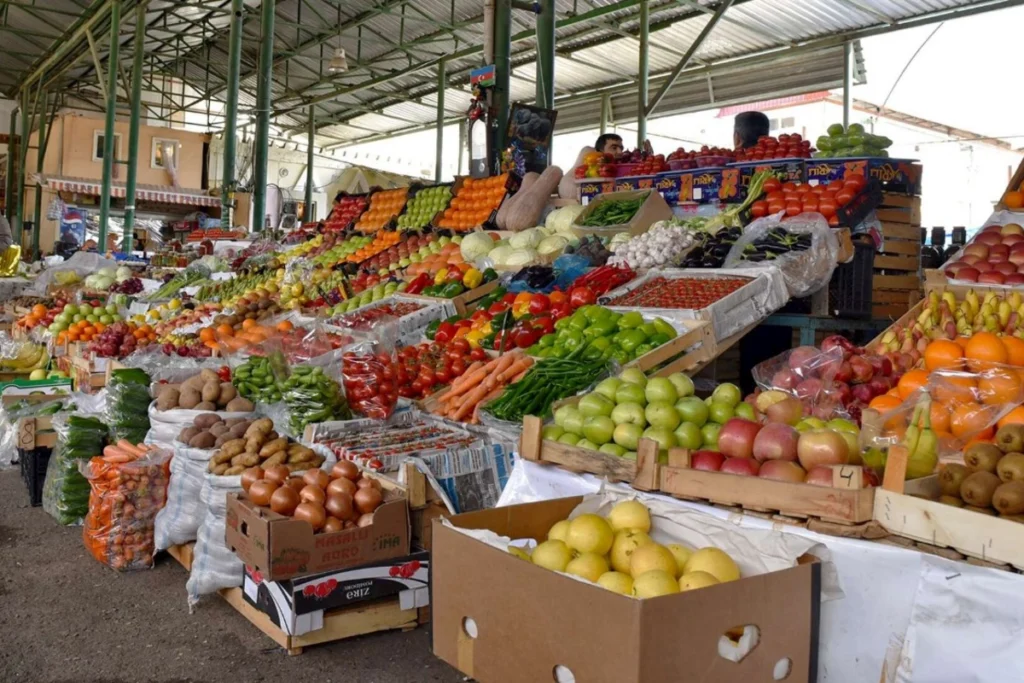
Potato prices in Azerbaijan could rise this winter as seasonal supplies decline and storage and production costs increase, economist Asif Ibrahimov said.
Ibrahimov said it would be wrong, however, to attribute the risk of higher prices solely to increased exports.
Azerbaijan earned about $30 million from potato exports in January through September 2026, he said. State Customs Committee data reported separately put the value at $29.7 million for 77,400 metric tons of exports.
Ibrahimov described the export performance as positive for agriculture and non-oil exports, but said foreign sales must be assessed alongside domestic production, consumption, import capacity and seasonal stocks.
“It is wrong to claim that increased exports will automatically lead to a domestic shortage. Production volume, domestic consumption, import capacity and seasonal stocks must be taken into account,” he said.
Domestic harvests expand the supply of locally grown potatoes in summer and fall. During winter, availability depends more heavily on the amount and quality of stored produce and the capacity of warehouse infrastructure.
Farmers naturally seek export buyers when overseas prices are more attractive, Ibrahimov said. But exports that expand without regard to domestic needs can reduce supply inside Azerbaijan and push prices higher, particularly when yields are low and stocks are limited.
He identified the shortage of modern storage facilities as a major problem. When farmers must sell their crops immediately after harvest, the supply of local produce falls in later months and dependence on imports increases, putting additional pressure on prices.
Potato production costs are also affected by spending on fertilizer, seed, fuel, irrigation, labor, packaging and transportation.
“The risk of price increases in the fall and winter cannot be ruled out completely. But the direction of prices will be determined by domestic production, stocks, stable imports and logistics costs,” Ibrahimov said.
He said stronger export opportunities should be accompanied by higher production and crop yields, construction of modern storage facilities and lower costs for moving produce from farmers to consumers.
Exports can raise farmers’ income and foreign-currency earnings, he said, but those benefits should not limit the public’s access to food at affordable prices.
Source: Vesti Baku, citing Demokrat.az.