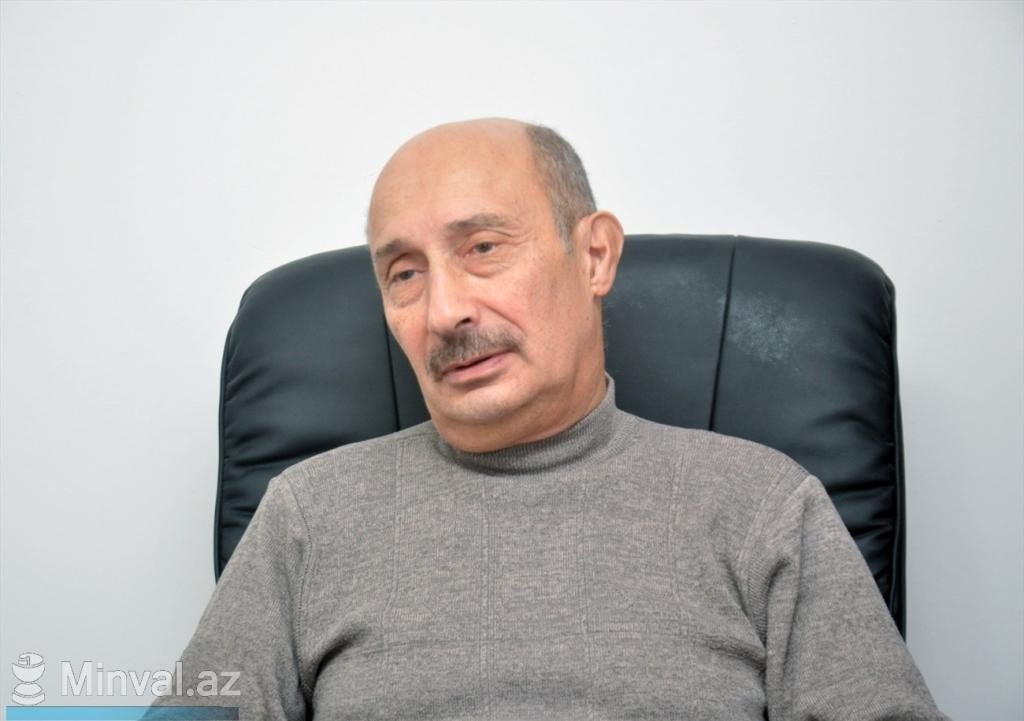
Historical accusations should not become a permanent barrier to reconciliation between Armenia and Azerbaijan, but any discussion of the past must acknowledge suffering on both sides of the conflict, Azerbaijani political scientist Zardusht Alizade and Armenian human rights advocate Vardan Harutyunyan said.
The two experts discussed the legacy of the conflict and prospects for rebuilding relations during an Aktualnaya Tema program on Pressclubs TV, according to Vesti Baku.
Alizade said the peace process is moving forward but remains vulnerable to reversals and renewed public anger. He identified the absence of trust as a central obstacle, saying communities that once lived alongside one another had become accustomed to viewing each other as enemies.
“This conflict made us strangers, and we became hell for one another,” Alizade said.
He said overcoming that alienation would take time and warned that repeatedly returning to mutual accusations could preserve hostility even after the fighting has stopped.
Disagreement Over Apologies and Responsibility
The discussion also addressed calls for Armenia to apologize for events during the conflict. Alizade said such demands had been voiced in Azerbaijan even before the 2020 war.
He argued that demanding repentance from a neighboring society becomes dangerous when it is treated as a substitute for examining the actions of one’s own side. Alizade called for crimes committed by participants in the conflict to be acknowledged and studied to prevent their recurrence.
Harutyunyan expressed concern that demands for apologies, combined with other political conditions, could delay the signing of a peace agreement. He described this as part of what he viewed as an effort by Baku to obtain additional concessions from Yerevan. That was Harutyunyan’s assessment, not an established fact.
Harutyunyan did not reject the possibility of mutual apologies. His objection focused on a one-sided approach that recognizes the suffering of only one nation.
Participants Dispute Accounts of Past Violence
Although the speakers broadly agreed on the need for reconciliation, they differed over the departure of Azerbaijanis from Armenia.
Harutyunyan said Azerbaijanis left Armenia without pogroms. Alizade directly challenged that account, citing violence, beatings and killings.
At the same time, Alizade acknowledged pogroms against Armenians in Sumgayit, Baku and Ganja and criticized efforts to avoid using that term when discussing the historical record.
He said the past should remain open to research. In his view, tragic events must be studied calmly and professionally, with the goal of preventing future crimes rather than provoking another wave of hatred.
Detainees Remain a Painful Issue
The speakers also disagreed over Armenians imprisoned in Azerbaijan, including former leaders of the Karabakh Armenian administration.
Harutyunyan said their release would be an important step toward ending the confrontation. Alizade objected to describing all of the detainees as prisoners of war, saying allegations involving specific crimes should be considered individually.
Alizade also questioned whether imprisoning former adversaries brings meaningful relief to people who lost relatives, homes and property. He said international law and a rational approach should form the basis of relations between the two societies.
Harutyunyan said he believed a peace agreement would ultimately be signed, though he declined to predict when. He argued that the long history of Armenian-Azerbaijani coexistence offered grounds for rebuilding ties.
“Our future is good-neighborly relations. There is no other option,” Harutyunyan said.