AZE.US
An Azerbaijani political leader says Western countries appear to have abandoned the idea of supporting exiled Iranian figure Reza Pahlavi as a potential political alternative in Iran, citing a lack of support within the country’s elite.
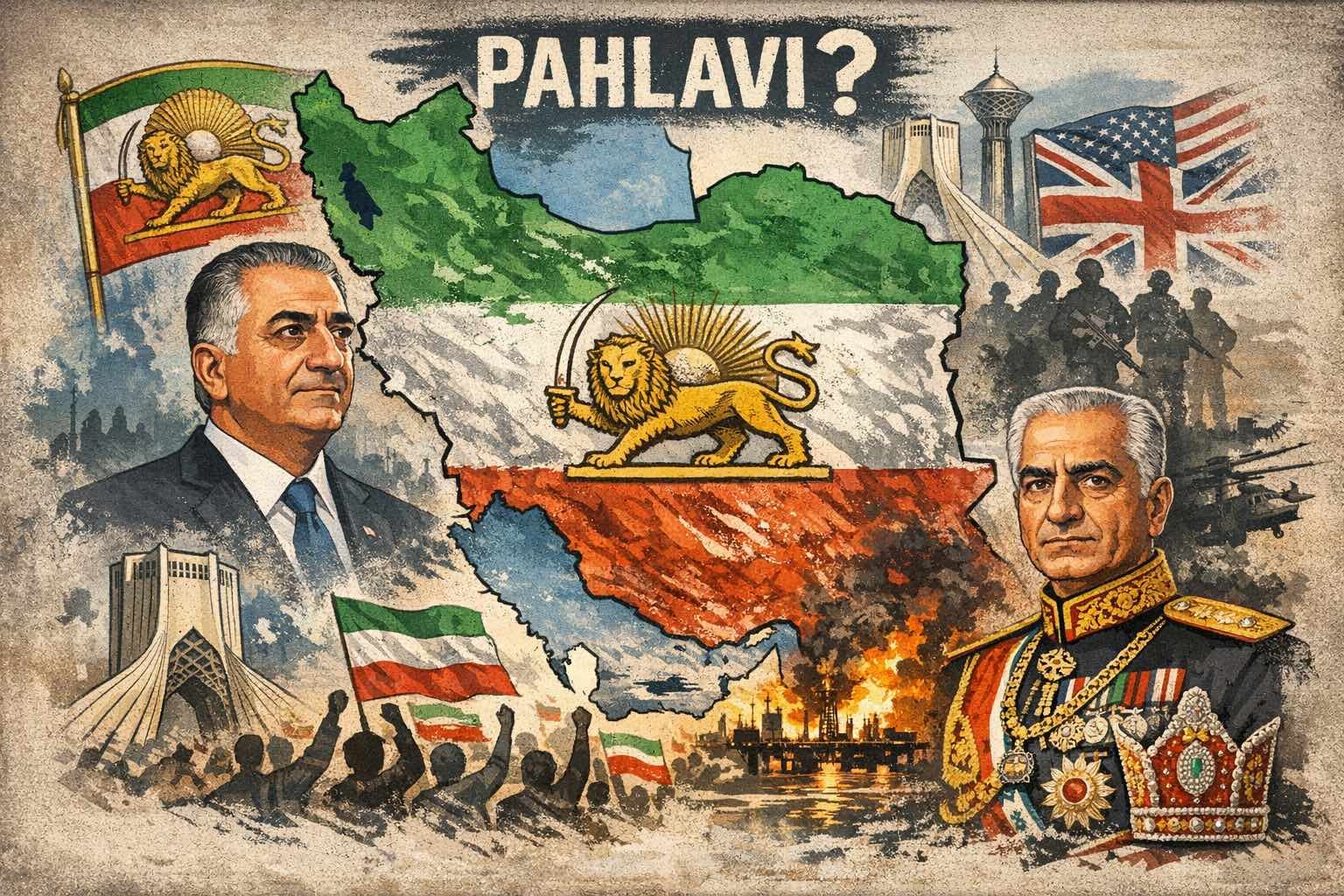
Natig Jafarli, chairman of Azerbaijan’s REAL Party, says Western governments have effectively stopped viewing Reza Pahlavi, the son of Iran’s last shah, as a viable political option for the country’s future.
Writing on social media, Jafarli argued that recent Western discussions around Pahlavi were likely part of a broader effort to test whether the exiled figure had meaningful support inside Iran.
According to him, the United States, Britain and several other Western countries may have promoted the idea of Pahlavi’s political role partly to assess his potential influence and the willingness of Iranian elites to cooperate with him.
However, Jafarli said there was no significant response from within Iran, either from political elites or broader segments of society, suggesting that what he described as the “Pahlavi card” is no longer considered workable.
“The West was observing from the outside to see whether Pahlavi had real political chances and whether there were members of the Iranian elite willing to establish contacts with him,” Jafarli wrote.
Debate Over Iran’s Future Leadership
Jafarli also addressed speculation about a possible dynastic succession within Iran’s current political system, including the idea that the position of Supreme Leader could pass to the son of the late Ali Khamenei.
Such a scenario, he suggested, could trigger resistance among parts of Iran’s political elite and society.
Iranians, he noted, carried out the 1979 revolution largely in opposition to hereditary rule, when power was passed through the monarchy from father to son.
“If authority now again shifts toward a dynastic model, many people may ask what the revolution was for,” Jafarli wrote.
Potential Elite Rivalries
According to the Azerbaijani politician, Western signals distancing themselves from Pahlavi may also be aimed at Iran’s internal elites, indicating that a monarchist restoration is not seen as a realistic scenario.
At the same time, he warned that if political power in Iran were to evolve toward a system based on family succession within the current structure, competition among elite factions could intensify.
Analysts say Iran’s political future remains uncertain amid regional tensions and internal debates about leadership and governance.