AZE.US
As Armenia moves through its parliamentary election campaign, an unusual message is coming from the streets of Baku: some Azerbaijanis say they would prefer Nikol Pashinyan to remain in power.
The view is not rooted in affection for the Armenian prime minister. It is a pragmatic calculation shaped by war, memory and the fragile post-conflict process between Baku and Yerevan.
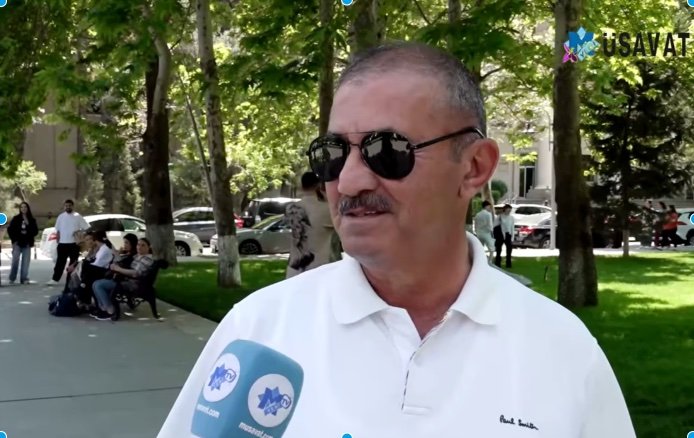
In a street poll aired in Azerbaijan, several Baku residents said Pashinyan appears more acceptable for Azerbaijan than the return of Armenia’s former leaders, particularly figures associated with the old Karabakh political elite.
One respondent described Pashinyan as a more peace-oriented politician and said his victory would be better for Azerbaijan’s interests. Another sharply criticized Armenia’s former leadership, saying their political record was tied to the bloodshed of the First Karabakh War and the Khojaly tragedy.
The broader message was clear: many in Baku do not see Pashinyan as a friend, but they see him as a more predictable interlocutor.
Some respondents pointed to his recognition of Azerbaijan’s territorial integrity, his attempts to improve ties with Turkey and his gradual distancing from Moscow. One resident said Pashinyan “does not follow Moscow’s dictation” and called him a pragmatic leader.
The question of Russian influence also came up. Several people said Moscow may try to affect the political process in Armenia, but doubted that it could fully control the outcome.
For Azerbaijan, the Armenian election is not only about who governs in Yerevan. It is about whether Armenia continues toward a post-war settlement or returns to the rhetoric and political instincts of the pre-2020 period.
That is why the mood in Baku is less about sympathy and more about strategic preference. For many Azerbaijanis, Pashinyan represents the possibility, however limited and imperfect, of keeping the peace process alive and preventing the old Karabakh agenda from returning to the center of Armenian politics.
AZE.US