AZE.US
Azerbaijan’s market does not exist in isolation from the region.
When food, construction materials, clothing or spare parts become more expensive in neighboring countries, the effect eventually reaches Azerbaijani consumers as well.
This is especially true for imported goods that regularly enter the country from Türkiye, Russia, Georgia and Iran.
According to figures cited in the report, food prices in Türkiye have risen by more than 34% in recent years, while non-food goods have increased by nearly 20%. In Russia, price growth stood at around 4.5%, in Georgia at 7.5%, and in Iran at approximately 25-30%.
For Azerbaijan, these are not distant numbers. They are part of the future price tag on the shelf.
Economist Khalid Kerimli says Russia and Türkiye together account for roughly one-third of Azerbaijan’s imports. That means inflation, currency fluctuations and higher transport costs in those countries gradually influence the domestic market as well.
The mechanism is simple. If it becomes more expensive for a supplier to produce, purchase or deliver goods, that increase eventually appears in the final price paid by Azerbaijani buyers.
In Türkiye, inflation is most visible in food, clothing and services. In Georgia, logistics and imported goods play a major role. In Russia, currency volatility and changes in energy markets affect the cost of many products. In Iran, domestic economic restrictions and currency pressure drive prices higher, especially for food and consumer goods.
In Azerbaijan, the impact is felt most clearly in categories people buy often: food products, agricultural goods, construction materials, household appliances and car parts.
Delivery costs add another layer. Transport expenses, seasonal changes and global market shifts can increase the price of a product before it even reaches a store, market or service center.
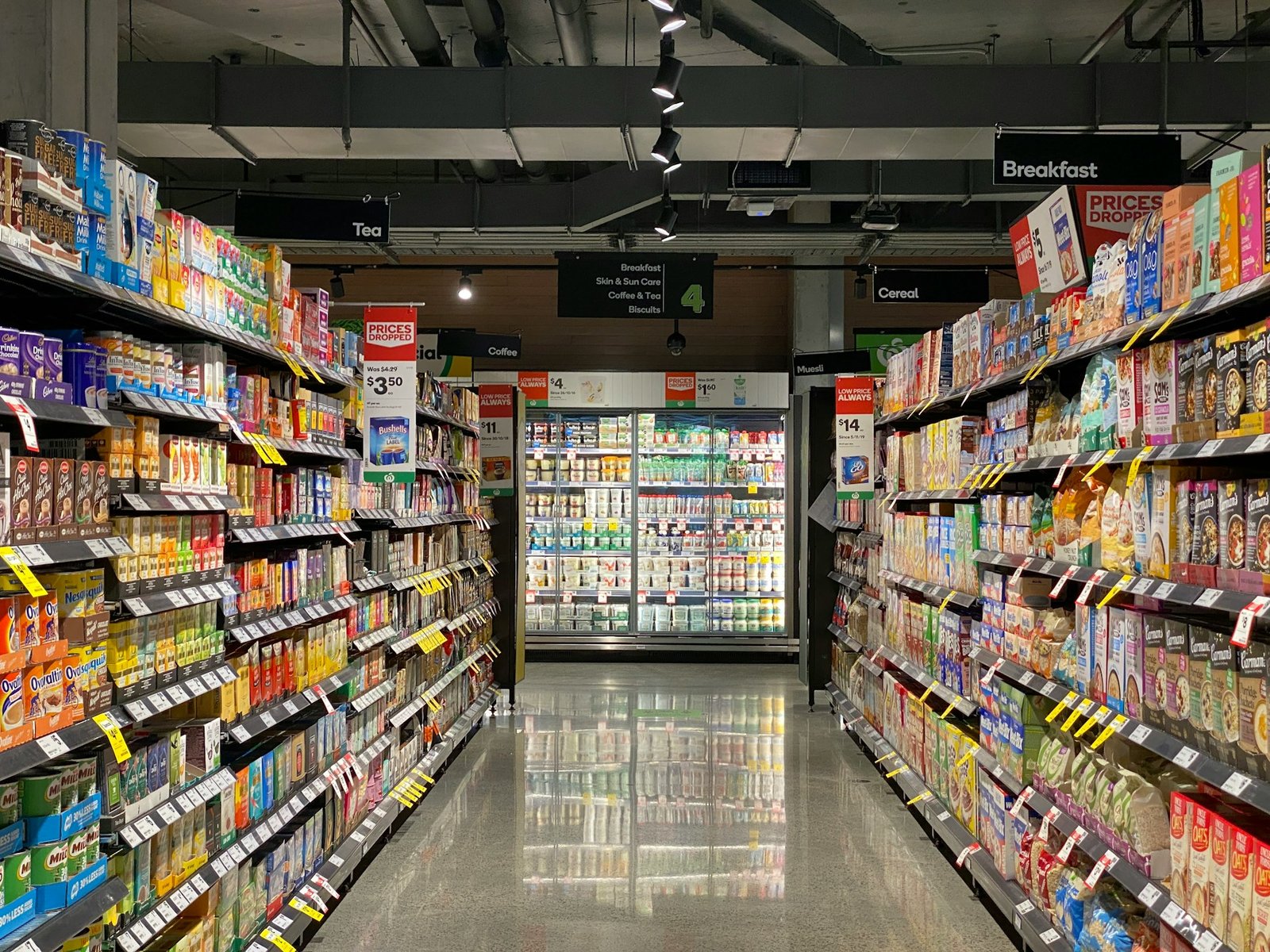
As a result, inflation in neighboring countries becomes part of household spending inside Azerbaijan. Consumers may not follow exchange rates or economic reports, but they see the effect at supermarkets, markets, construction shops and auto repair centers.
If price growth across the region continues, pressure on Azerbaijan’s domestic market is likely to remain. Imported inflation may again become one of the factors directly affecting the daily expenses of Azerbaijani families.
AZE.US