AZE.US
Rapid urban growth is no longer only about new buildings, roads and transport projects. As Baku hosts WUF13, a wider question is coming into focus: how can a major city grow without turning into a collection of separate zones divided by income, security and quality of life?
The discussion comes as urbanization, housing pressure and post-conflict reconstruction are becoming major global issues. Speakers and experts have pointed to the scale of the housing challenge worldwide, as well as the destructive impact of modern wars, which can erase entire settlements and make reconstruction one of the defining tasks of the century.
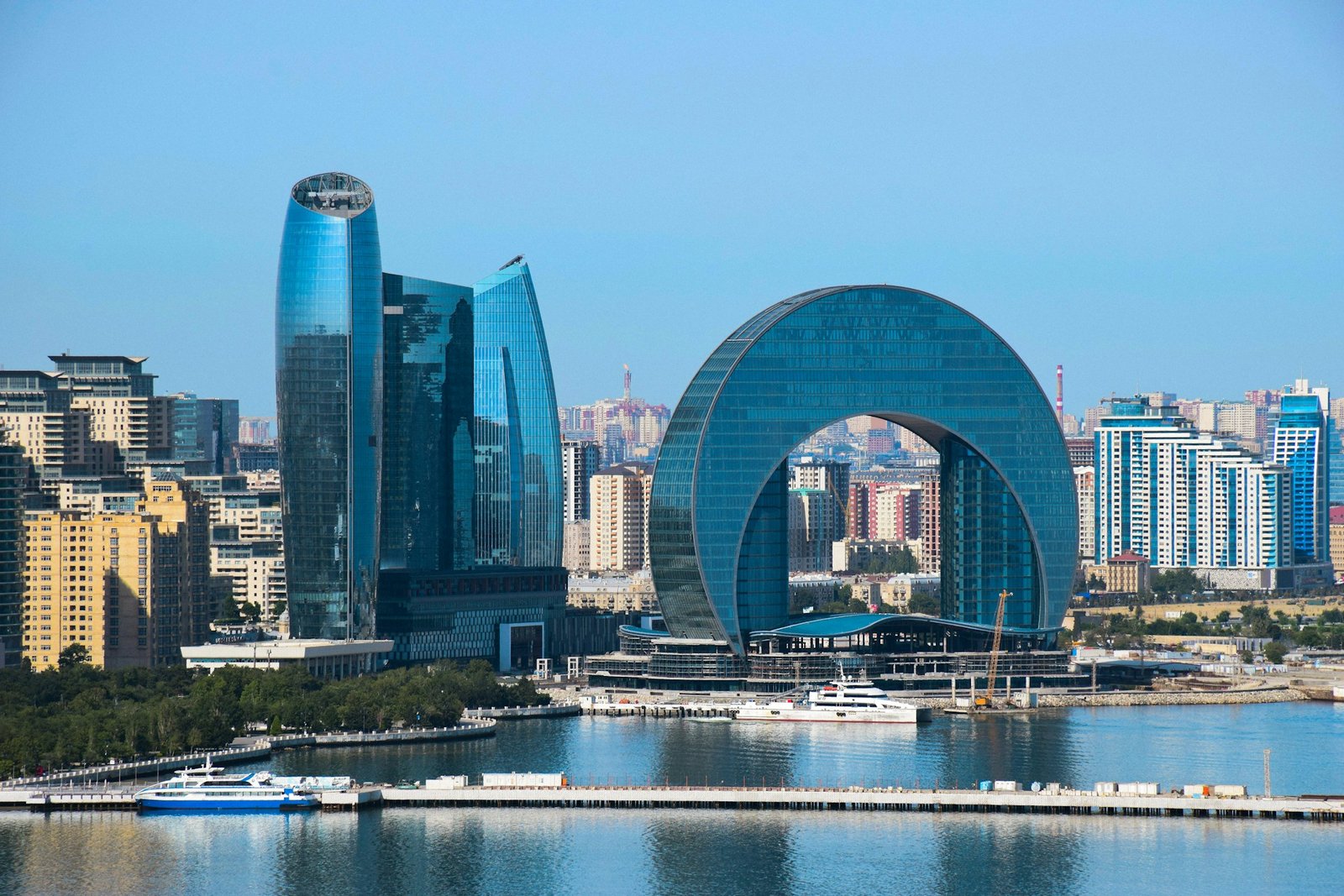
For Azerbaijan, the issue has a direct relevance. The country is rebuilding cities and villages in Karabakh and Eastern Zangezur, while Baku itself continues to expand and move into a new stage of urban development.
One of the key concerns is urban safety. There are fewer major cities in the world today where people can freely walk at any hour and feel secure. Azerbaijan remains in a comparatively stronger position: Baku and other cities in the country are still widely viewed as safe urban environments.
But that is precisely why the issue matters now. The experience of many large cities shows that urban problems rarely appear overnight. First, the city grows. Housing becomes more expensive. Districts change. Infrastructure comes under pressure. Over time, a metropolis can begin to split into different “cities” inside one city.
One part has a safe center, expensive real estate, stronger services and a more comfortable public environment. Another part may face weaker infrastructure, social tension, crime risks and a sense that it lives under different urban conditions.
That kind of division runs against the idea of a city as a shared human space. The broader message heard around WUF13 is that urban development cannot be considered successful if part of the population is pushed outside normal city life.
Urbanization, in that sense, is no longer just an architectural or economic issue. It is also about safety, housing access, public transport, schools, hospitals, public space and equal opportunity.
For Baku, this is not a claim that the city is already facing such a crisis. It is a warning. Fast growth requires balanced development. Otherwise, even a successful metropolis can gradually divide into comfortable and problematic zones.
The real urban challenge for Baku, therefore, is not growth itself. The risk begins when a city stops functioning as a shared space and becomes a set of territories: one for the center, one for the outskirts, one for wealthier residents and one for those who must struggle through the city every day.
The WUF13 discussion also highlighted Baku’s own record of urban renewal, including the transformation of the former “Black City” area into the modern White City district. According to the discussion, Azerbaijan has 79 cities; master plans have already been prepared for 67 of them, while 12 more are under development.
That experience matters not only as construction policy, but as a test of a larger principle: modernization should not erase safety, historical memory or the human scale of the city.
AZE.US