AZE.US
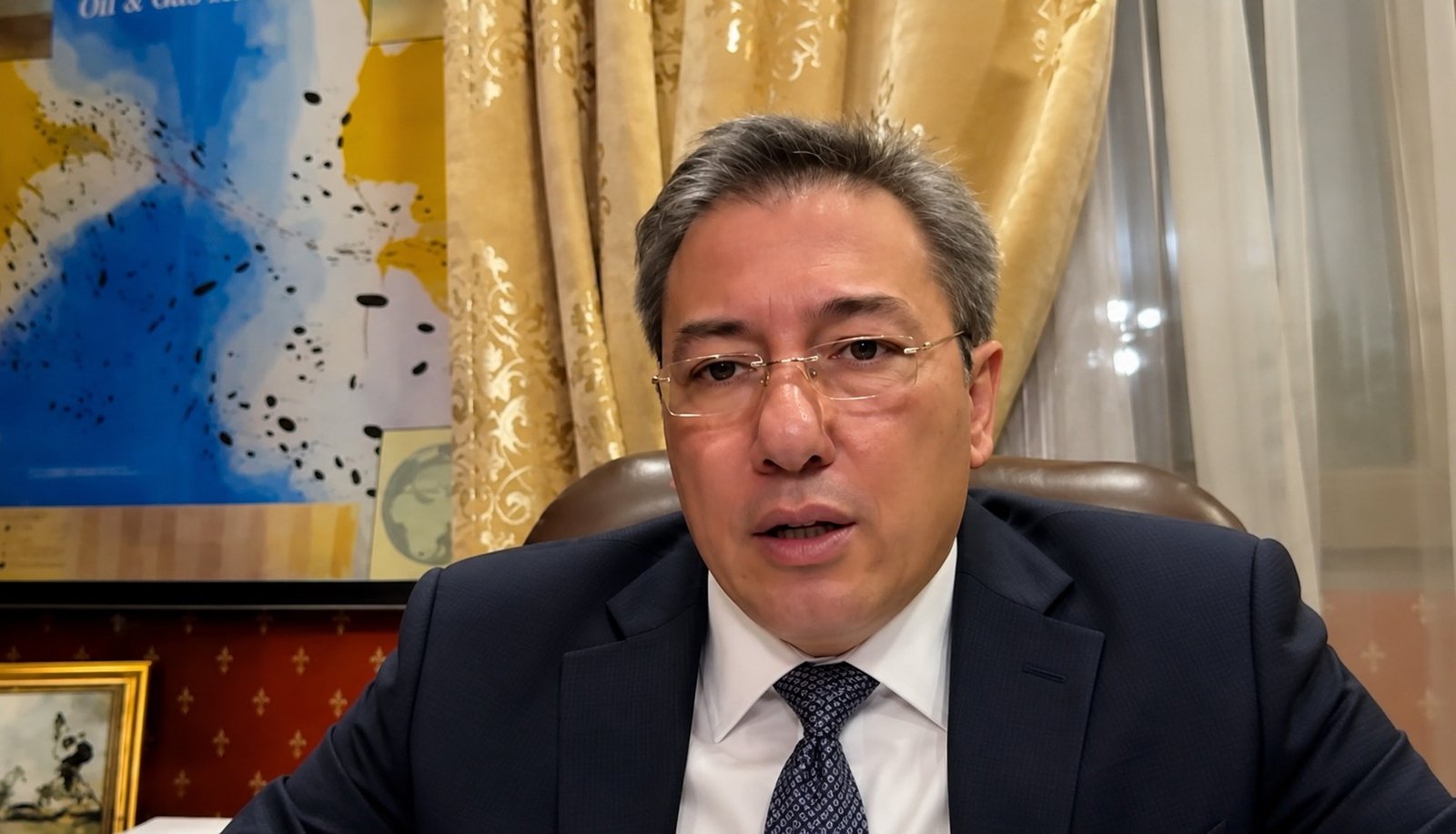
Azerbaijani political analyst Ilgar Velizade says the reported threats against Armenian Prime Minister Nikol Pashinyan should not be viewed only as a campaign tool, even if they may also be used politically ahead of elections.
Speaking on the YouTube channel Daily Europe Online, Velizade said the current situation in Armenia is very different from the atmosphere of the late 1990s. Still, he argued that the level of political tension around Pashinyan should not be underestimated.
According to Velizade, the tone of Pashinyan’s public rhetoric and the broader political climate in Armenia suggest that the threats may not be purely symbolic.
“They cannot all be dismissed as political technology,” Velizade said.
At the same time, he noted that the issue may benefit Pashinyan’s campaign team by presenting the Armenian prime minister as a leader who is entering the election battle despite personal risk.
Velizade said the reaction inside Armenian society appears nervous, and the political environment is becoming increasingly polarized.
The analyst also commented on the harsh language used by both the government and opposition in Armenia. He said sharp rhetoric is not unique to Armenian politics and is often seen in election campaigns in Europe and the United States as well.
Still, the Armenian case carries additional sensitivity because the country is approaching elections at a time when its internal politics are closely linked to the future of peace with Azerbaijan.
Velizade said Pashinyan appears to be acting in line with the broader transformation taking place around Armenia’s borders. In his view, the Armenian prime minister cannot make political decisions outside the wider geopolitical shifts affecting the South Caucasus.
He described the current global environment as a period of major geopolitical movement, where large powers are trying to define new rules of engagement while smaller states risk being caught between them.
For countries such as Azerbaijan and Armenia, Velizade said, the main challenge is to avoid becoming the epicenter of a larger geopolitical earthquake.
He also argued that today’s conflicts can no longer be explained through old formulas of power, victory and defeat. According to him, the world is moving through a period in which traditional ideas about military strength, deterrence and political outcomes are no longer sufficient.
Velizade pointed to the war in Ukraine and tensions around Iran as examples of conflicts where stronger powers have not been able to impose quick or decisive outcomes.
He said many current conflicts are moving into a prolonged deadlock, and the real question is how states will find a way out of these situations.
For Armenia, that question is especially urgent. Its election campaign is no longer only about domestic power, but also about whether the country continues on the path toward a peace agreement with Azerbaijan or turns back toward older political formulas.
AZE.US