AZE.US
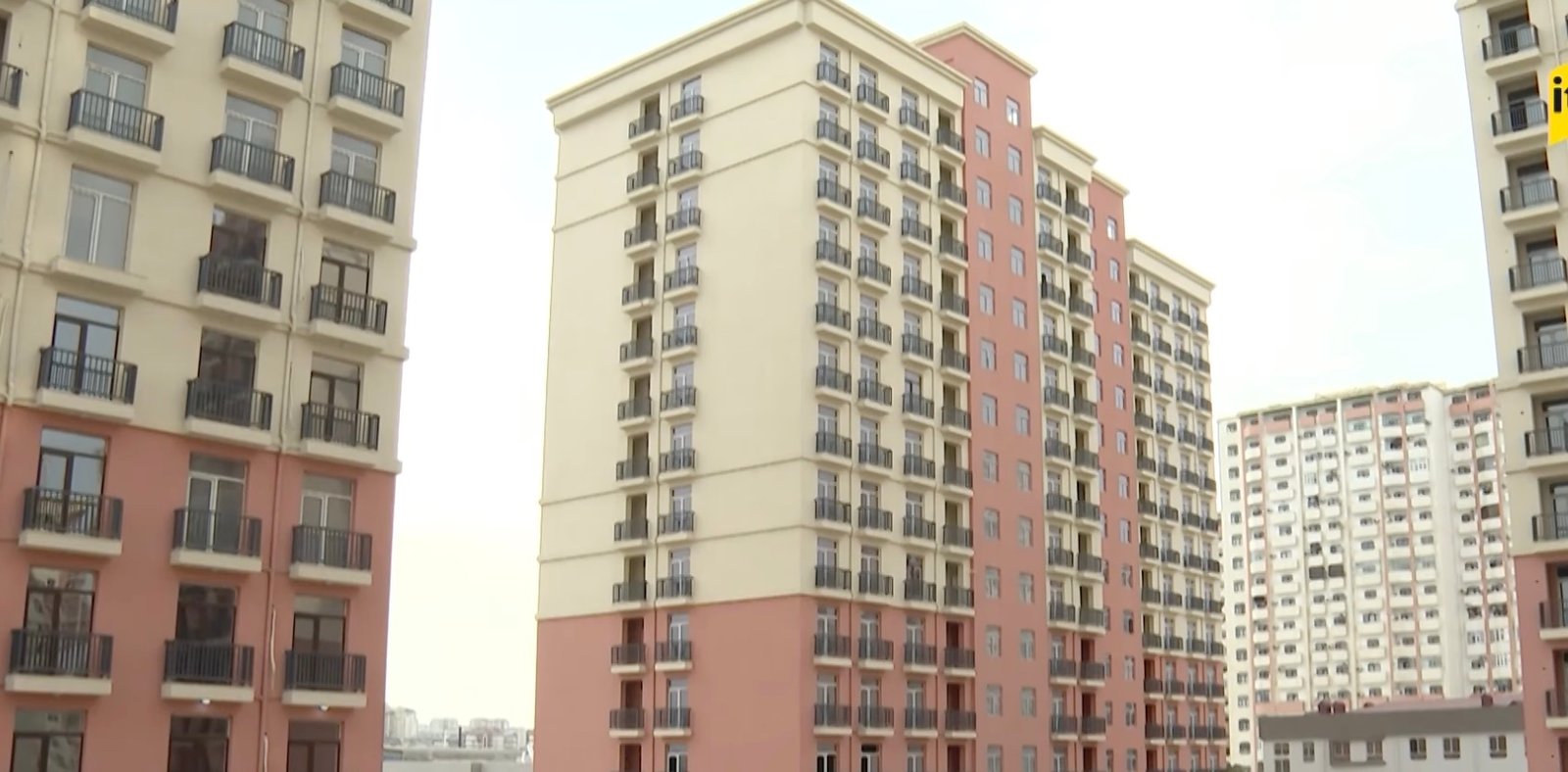
Buyers of new-build apartments in Azerbaijan are increasingly facing a familiar problem: the apartment they pay for is not always the same size as the one recorded in official documents.
The dispute usually appears after paperwork is completed. A construction company may sell an apartment based on one area measurement, while the official extract from the state property registry later shows a smaller figure.
One buyer said he was sold an apartment as 152 square meters, but later found that the usable internal area was lower. He argued that developers often calculate space from the outside, including walls and structural elements, while buyers believe they are paying for the actual living area inside the apartment.
Real estate experts say the problem is not rare. Developers may include external measurements, partition walls, shared walls between apartments and balconies when presenting the total area for sale. The state property registry, however, usually relies on the internal area actually available to the resident when issuing an official extract.
That difference can be costly. Experts estimate that buyers may lose at least 5% of the declared area, with losses reaching up to 10% in some cases. In many disputes, the gap is around 7% to 8%.
Balconies create another common source of confusion. If a developer sells a 10-square-meter balcony as full apartment space, the registry may count only one-third of it in the official document, meaning it appears as roughly 3 square meters. That alone can significantly reduce the officially recognized size of the property.
Some construction companies include both internal and external measurements in contracts to protect themselves from future claims. Experts say that does not automatically mean the buyer’s rights have not been violated.
If measurements were made outside accepted standards, buyers may challenge the issue in court. In such cases, developers can be required to pay compensation for the difference.
A similar problem becomes even sharper when old private houses are demolished and compensation is calculated. In older homes, thick walls can take up a large part of the total area. If they are excluded from compensation calculations, owners may suffer serious financial losses.
Experts point to old homes in Baku’s former “Sovetskaya” area, where walls could be 60 to 80 centimeters thick. They say a more socially sensitive approach is needed in such cases, with walls, internal partitions and the land under the structure taken into account when calculating compensation.
Specialists argue that Azerbaijan needs a single standard for calculating property space. Such a rule would apply to apartment sales, notary procedures, insurance, valuation and compensation cases.
A unified system, they say, would protect buyers and prevent construction companies from interpreting apartment size in their own favor.
AZE.US