AZE.US
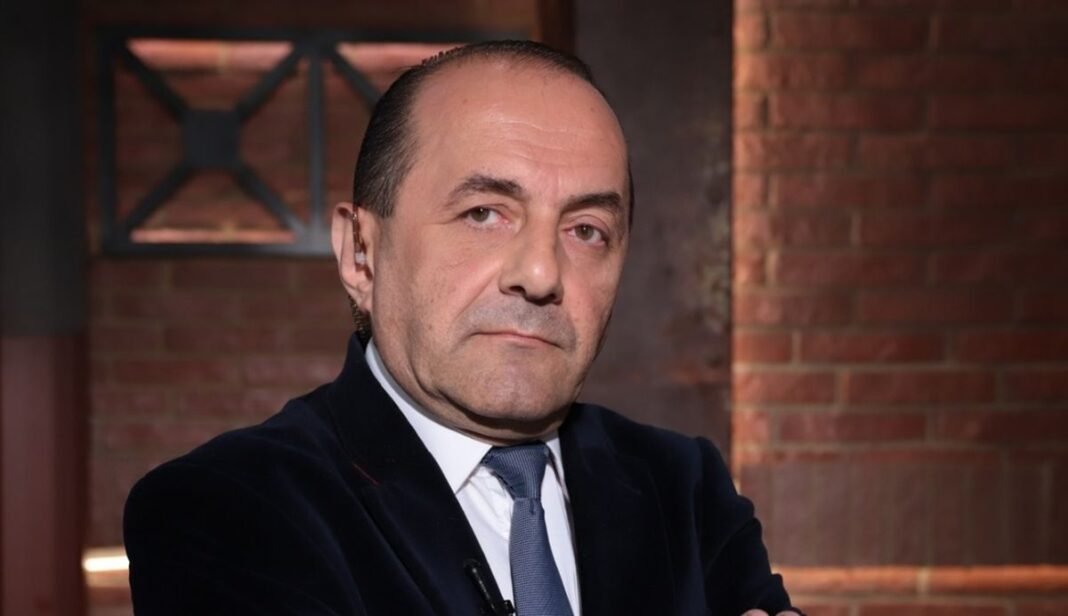
Russia’s influence in the South Caucasus is steadily declining, while Armenia must move beyond decades of confrontation and build peaceful relations with Azerbaijan based on mutual recognition of sovereignty, Armenian political analyst Ruben Mehrabyan said.
Speaking on the Echo Baku YouTube channel, Mehrabyan discussed Armenia’s recent parliamentary elections, Prime Minister Nikol Pashinyan’s victory, relations with Moscow and the ongoing peace process with Azerbaijan.
According to the analyst, the election campaign may have represented one of Russia’s last major attempts to mobilize its political and financial resources in Armenia and return Moscow-aligned forces to power.
Mehrabyan acknowledged that Armenia remains economically dependent on Russia and that the deterioration of bilateral relations carries serious risks. However, he argued that maintaining the old model of dependency could pose an even greater threat to Armenia’s long-term sovereignty.
“Russian policy is being reshaped by the Ukrainian reality,” Mehrabyan said. “Its position is becoming weaker with every year, if not every month.”
He also rejected suggestions that his criticism of the Armenian government indicated support for former President Robert Kocharyan or other representatives of the country’s previous political establishment.
“My political hero is still Nikol Pashinyan,” Mehrabyan said, explaining that asking difficult questions about the government’s policies should not automatically be interpreted as support for its opponents.
The analyst argued that Armenia should continue strengthening its sovereignty and diversifying its foreign relations. Yerevan, he said, needs closer ties with the United States, Europe and regional partners while avoiding a return to exclusive Russian political and security control.
A significant part of the discussion focused on the Armenia-Azerbaijan peace process and the reopening of regional transport links.
Mehrabyan stressed that roads passing through a country’s territory must remain under that country’s jurisdiction. Armenia, he said, should manage transportation routes crossing its southern Syunik region while also honoring the commitments reached during negotiations with Azerbaijan.
He noted that Baku and Yerevan have recognized each other’s territorial integrity based on the borders that existed when the Soviet Union collapsed. The next step, he said, is to turn those political declarations into practical agreements.
According to Mehrabyan, reopening transport links should not be viewed as a threat to Armenian sovereignty. Instead, it could become an economic and political project connecting Armenia, Azerbaijan and other countries across the region.
He also addressed the idea that Armenia and Azerbaijan could eventually become mutual guarantors of regional stability.
Security in the South Caucasus, Mehrabyan argued, should not be based on the permanent search for an external patron. It should instead rest on the recognition of mutual interests, respect for sovereignty and the rejection of territorial claims.
The analyst warned against allowing historical grievances to determine modern state policy.
“History is a very ungrateful science if we try to build the present entirely around the past,” he said.
Every nation has painful memories and historical grievances, Mehrabyan added, but transferring past conflicts into modern politics makes peaceful coexistence impossible.
Armenia and Azerbaijan, he concluded, must respond to present-day realities, respect each other’s sovereignty and create a regional system in which another war becomes impossible.
AZE.US