AZE.US
Armenian Prime Minister Nikol Pashinyan’s election victory may have been part of a political compromise designed to keep him in power while preventing him from making constitutional changes needed for a peace agreement with Azerbaijan, an Azerbaijani analyst has said.
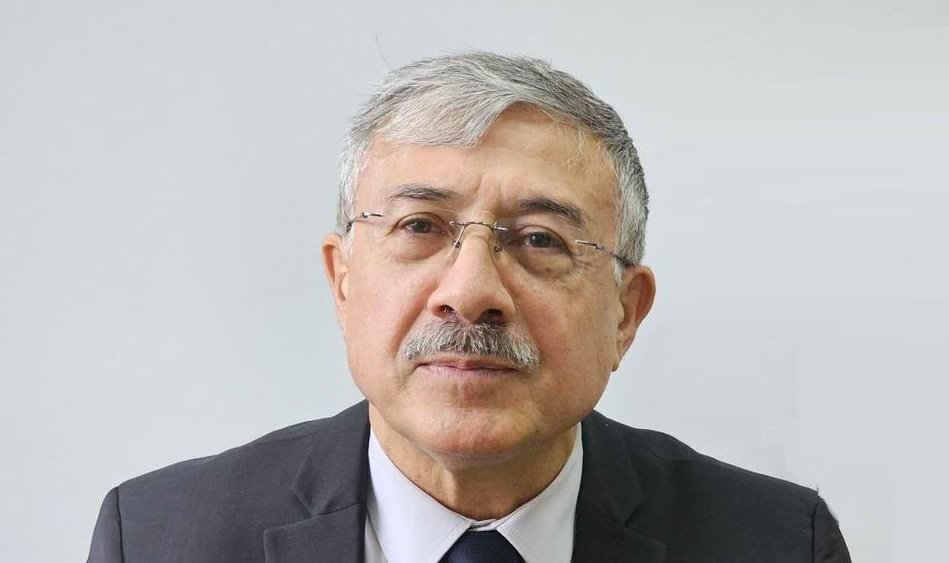
Chingiz Mammadov, a political analyst and international relations expert, raised the possibility during an interview with the YouTube channel Daily Europe Online.
Mammadov stressed that the theory was already being discussed by some people in Azerbaijan, but said it was not the dominant view and did not necessarily reflect his own position.
“There is an opinion that there may have been some kind of deal,” Mammadov said. “It is not the prevailing opinion, but this version exists.”
Under that scenario, he said, Pashinyan would remain prime minister and retain enough parliamentary support to manage domestic policy, but would lack the constitutional majority required for major decisions.
Mammadov said Pashinyan’s political force received about 49.84% of the vote. That result, he argued, allows the Armenian leader to maintain control of the government but leaves him without enough support to change the Constitution on his own.
The analyst suggested that the outcome could represent a compromise involving Russia and political groups inside Armenia opposed to concessions in the peace process.
“I stay in power, but I will not be able to change the Constitution, and there will be no peace with Azerbaijan,” Mammadov said while describing the theory. “I am not saying this is my own opinion. I am saying that such a version exists.”
Azerbaijan has repeatedly called on Armenia to remove language from its Constitution that Baku says contains territorial claims against Azerbaijan.
Mammadov argued that constitutional amendments are essential because a lasting settlement must be accepted not only by Pashinyan and his Civil Contract party, but by Armenian society as a whole.
He also questioned whether the election result could be interpreted as a clear public mandate for peace.
According to Mammadov, turnout stood at about 60%, while fewer than half of participating voters backed Pashinyan’s party. He said it was also impossible to determine how many Pashinyan supporters voted for his peace policy and how many supported him because of economic or social issues.
The analyst said Pashinyan must now work with Armenian society and at least part of the opposition to secure support for constitutional changes.
“Armenians have not yet completed their homework,” Mammadov said. “Perhaps they have taken the first step, but they still have to take the second.”
The program’s host challenged that assessment, arguing that Pashinyan’s victory was itself evidence that a significant part of Armenian society supports peace.
He also said both Armenian and Azerbaijani societies must confront nationalist groups and voices that favor continued confrontation.
Mammadov responded that Azerbaijan had already taken steps to reduce tensions, including allowing fuel, grain and other goods to reach Armenia directly or through Azerbaijani territory.
Those measures, he said, were not enough to establish whether Armenian society was prepared to support the constitutional changes demanded by Baku.
AZE.US