AZE.US
Baku residents cannot unilaterally claim parking spaces in shared courtyards by installing private barriers, legal and safety experts have warned.
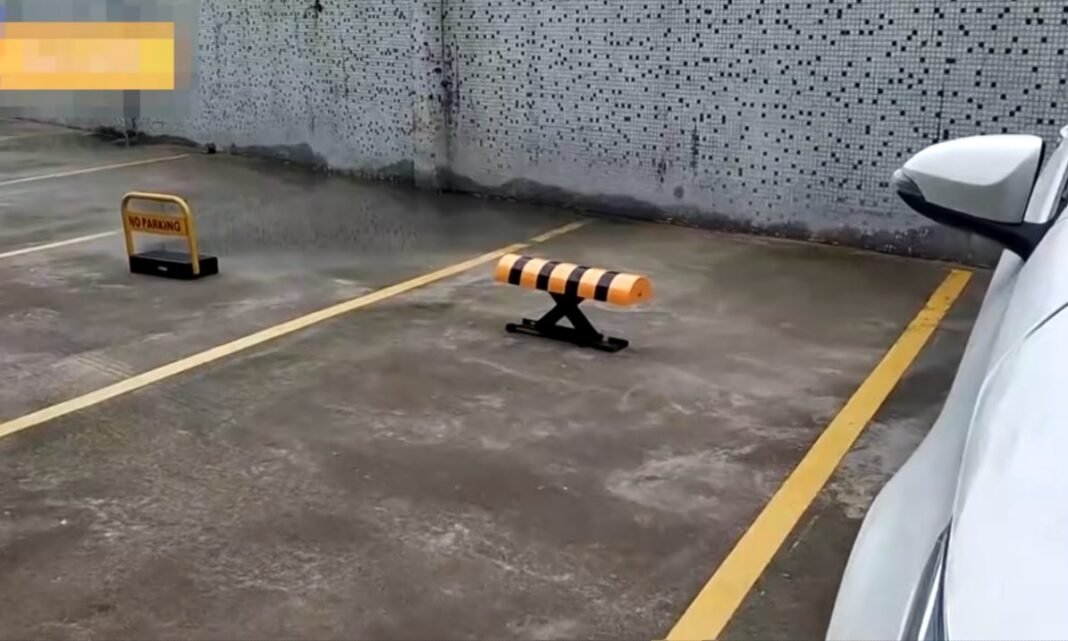
Demand for mechanical and remote-controlled parking barriers has increased as drivers look for ways to prevent others from using spaces near their homes.
A basic folding barrier with a lock costs about 80 to 90 manats ($47 to $53), including delivery and installation. A remote-controlled model costs approximately 190 manats ($112).
However, installing such equipment in a shared courtyard or on municipal land may violate the rights of other residents. Customers are advised to obtain their neighbors’ consent before proceeding.
Smart Parking, one of the companies offering the service, said it refuses installations that could block a courtyard entrance or restrict access for ambulances, fire engines and other emergency vehicles.
“One customer wanted a barrier installed directly at the entrance to a courtyard. We categorically refused because it could obstruct vehicles and emergency services,” a company representative said.
Azerbaijan’s Ministry of Emergency Situations said fire safety regulations prohibit any obstacle on access roads leading to buildings, water sources, stationary fire ladders and locations where firefighting equipment is stored.
Fire engines must be able to approach buildings and maneuver without obstruction.
If a parking barrier does not restrict emergency vehicles, authorization for its installation falls outside the authority of the State Fire Control Service.
Lawyer Akhverdi Hasanzade said any structure that limits other residents’ use of a shared area could lead to a legal dispute.
Before installing a barrier, residents must consider the legal status of the land, the rights of their neighbors and access for emergency services. Otherwise, the barrier could be ordered removed, and an attempt to secure a private parking space could result in a dispute with other residents.
AZE.US