AZE.US
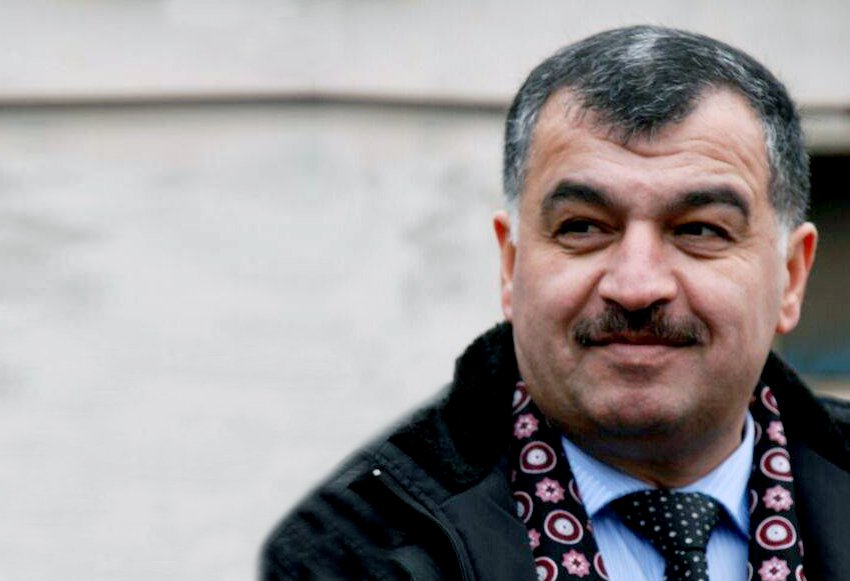
Azerbaijani military analyst Uzeyir Jafarov has cautioned that despite visible diplomatic activity in the South Caucasus, Azerbaijan must avoid strategic complacency amid shifting alliances and uncertain external guarantees.
Jafarov’s comments come as Baku continues its normalization process with Armenia. According to local reporting, approximately 4,500 tons of diesel fuel are expected to be transported from Azerbaijan to Armenia, a move described as part of confidence-building and economic stabilization measures.
Iran Factor and Regional Signaling
Addressing concerns voiced in some Iranian political circles, Jafarov said there are no grounds for Tehran to suspect Azerbaijan of allowing its territory to be used against Iran.
“Azerbaijan has repeatedly stated at the highest level that its territory will not be used by any third party against neighboring states,” he said.
His remarks follow recent reciprocal visits: Iran’s defense minister traveled to Azerbaijan, while Iran’s Chief of Staff, Major General Abdolrahim Mousavi, visited Armenia for talks with Defense Minister Suren Papikyan.
According to Jafarov, these visits indicate that Tehran is actively recalibrating its regional engagement strategy and acknowledges Azerbaijan’s official security doctrine.
Post-War Realities and Power Calculations
Jafarov stressed that while open confrontation is unlikely, the broader geopolitical environment remains fluid. Western institutions continue to send mixed signals regarding long-term security architecture in the region, while NATO and EU engagement remains cautious and largely diplomatic rather than security-oriented.
In this environment, he argued, Azerbaijan must rely primarily on its own capabilities.
“Strategic patience does not mean strategic weakness,” Jafarov noted. “Azerbaijan must continue strengthening its armed forces and maintaining institutional resilience.”
He emphasized that the country’s post-2020 security posture requires constant reassessment of alliances, including understanding which actors are consistent partners and which remain situational or hesitant.
Avoiding Overdependence
Jafarov also pointed to the importance of avoiding overreliance on any external power center. According to him, the post-conflict order in the South Caucasus is still evolving, and regional actors are adjusting their strategies accordingly.
“Azerbaijan should not become an instrument in broader geopolitical confrontations,” he said. “At the same time, it must be prepared to respond firmly to any direct or indirect pressure.”
Strategic Outlook
Jafarov concluded that while normalization efforts continue and open hostilities are not anticipated, Azerbaijan must approach the coming years as a period of consolidation rather than relaxation.
The debate reflects a broader policy discussion in Baku about long-term deterrence, alliance management, and the durability of the current regional balance.