AZE.US
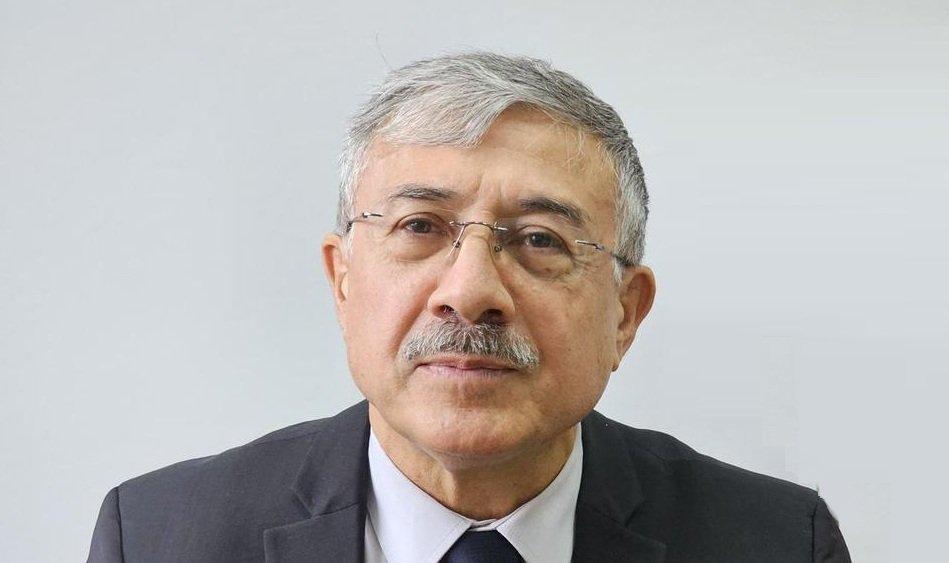
Russia can no longer shape the South Caucasus as it once did, while Armenia’s long-term security depends on peace with Azerbaijan and normalization with Turkey, Azerbaijani political analyst Chingiz Mammadov said in an interview with the YouTube channel Daily Europe Online.
The discussion was timed to the third anniversary of Azerbaijan’s restoration of sovereignty over Karabakh. Mammadov, a former head of the Azerbaijani presidential communications office and a former UN development-program official, examined the political consequences of the September 2023 operation, the dissolution of the separatist administration in Karabakh and the choices now facing Yerevan.
A symbolic end to the separatist structure
Mammadov said the decree signed by Samvel Shahramanyan on dissolving the self-proclaimed entity had limited legal importance because it had never been internationally recognized. Its principal value, he argued, was political and symbolic: it marked a clear conclusion to decades of conflict and helped Azerbaijan demonstrate that the separatist structure had ceased to function.
Asked why Shahramanyan was able to leave for Armenia while several former separatist leaders were detained, Mammadov said he had no inside information about the circumstances. He suggested that allowing Shahramanyan to leave may nevertheless have deprived him of the opportunity to present himself as a political prisoner.
Pashinyan as a political realist
Mammadov stressed that he is not an admirer of Armenian Prime Minister Nikol Pashinyan and remains critical of what he described as the Armenian leader’s inconsistency. At the same time, he portrayed Pashinyan as a realist who understands that the regional balance of power has fundamentally changed.
In Mammadov’s assessment, Moscow no longer has either the capacity or the political will to play the role it once performed in the South Caucasus. Russia’s decision not to intervene during the 2020 war and the events of September 2023, he said, reflected a broader geopolitical shift rather than only a legal distinction over the status of the territory.
“The only path to preserving Armenian statehood is peace with Azerbaijan,” Mammadov said. In his view, such a peace became possible only after Azerbaijan restored control over its internationally recognized territory.
Why Armenia did not see another upheaval
The interview also addressed why Armenian society did not react to the events of September 2023 with the same scale of unrest that followed the 2020 war. Mammadov attributed this partly to a growing recognition inside Armenia that direct military involvement in Karabakh would have meant a new interstate war with unpredictable consequences.
He argued that Pashinyan’s refusal to intervene militarily reflected an understanding that Armenia had no realistic chance of prevailing in a renewed confrontation. The interviewer, however, challenged the suggestion that a hypothetical Azerbaijani advance into Armenia would have been simple or politically sustainable, noting that any occupation of Armenian territory would have faced international rejection and potentially prolonged resistance.
Both sides treated that scenario as hypothetical. The exchange underlined a broader point: Azerbaijan’s military victory in Karabakh did not create an unlimited mandate for action beyond its recognized borders.
The departure of Karabakh Armenians
Mammadov also offered his interpretation of the mass departure of ethnic Armenians from Karabakh. He argued that the exodus had several causes: fear among some residents, decisions by political leaders, concerns about possible legal accountability and, for others, an existing desire to emigrate.
These assessments were presented as Mammadov’s interpretation rather than as independently established facts. During the discussion, the interviewer emphasized that responsibility must remain individual and that civilians who had not participated in crimes should not be treated collectively as guilty.
Mammadov maintained that residents who accepted Azerbaijani citizenship could have remained, retained their homes and continued practicing their religion. He also claimed that political forces in Armenia encouraged departure in hopes of turning the resulting humanitarian crisis into international pressure on Baku.
Independence and outside patronage
A wider theme of the interview concerned the difference between the foreign-policy models of Azerbaijan and Armenia. Mammadov argued that Azerbaijan’s economic resources and policy of avoiding dependence on any single outside patron have given Baku greater room to act independently.
Armenia, by contrast, has historically depended far more heavily on Russia for security and economic support, he said. That relationship is now being renegotiated as Yerevan seeks closer ties with Western states while Moscow attempts to preserve its influence.
For Mammadov, the central test for Pashinyan is not only diplomatic but domestic. He said the Armenian prime minister must persuade society to abandon political myths and expectations that outside powers will reverse the outcome of the conflict.
If Pashinyan succeeds, Mammadov concluded, Armenia could improve relations with Azerbaijan, open a path toward normalization with Turkey and strengthen its own sovereignty. If he fails, the region could remain trapped in a cycle of resentment and renewed tension despite the end of large-scale fighting in Karabakh.
AZE.US