AZE.US
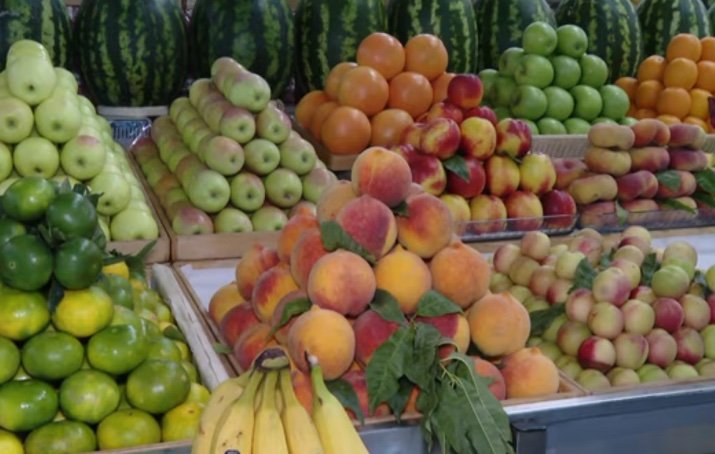
Autumn fruits have begun filling market stalls across Azerbaijan, with pomegranates, quinces, persimmons and mandarins now widely available. Grapes remain among the most sought-after products, but reduced harvests could keep their prices elevated throughout the season.
At some markets, seeded grapes are selling for about 7 manats per kilogram, while seedless varieties cost as much as 8 manats. Vendors attribute the high prices partly to lower production caused by heavy rainfall, persistent humidity and crop diseases.
Autumn Fruit Prices
Markets are currently offering mostly locally grown seasonal produce. Reported retail prices include:
- seeded grapes – about 7 manats per kilogram;
- seedless grapes – about 8 manats;
- persimmons – 6-7 manats;
- mandarins – around 8 manats;
- pomegranates – 4-5 manats.
Prices vary depending on the variety, quality, size and place of sale. Although the citrus season has only just begun, vendors say demand for mandarins is already growing.
Supplies of pomegranates, quinces, persimmons and mandarins are expected to increase over the coming months, potentially bringing their prices down. Grapes, however, may follow a different trend.
Grape Harvest Drops Sharply in Shaki
Grapes are in short supply at markets in Azerbaijan’s Shaki region despite the harvest season being underway. Farmers and vendors say yields of some table varieties have fallen by more than half compared with last year.
Growers who previously harvested around one metric ton of grapes report collecting significantly smaller volumes this season. Market deliveries have also declined: some farmers who previously supplied about 10 crates now bring only one or two.
In Shaki, grape prices currently range from approximately 1.50 to 3 manats per kilogram. Last year, some varieties were sold for between 0.80 and 1.50 manats, meaning prices have nearly doubled in certain cases.
The much higher prices reported at other markets reflect differences in variety and quality, as well as transportation costs and retail markups.
Rain and Disease Damage Vineyards
Farmers identify unusually heavy spring rainfall as the main cause of the weak harvest. High humidity during the flowering period created favorable conditions for fungal diseases.
Affected vines developed deformed leaves, smaller berries and damaged clusters. Table and raisin grape varieties were among the hardest hit, including Italian and Georgian varieties and popular elongated red and white grapes.
Growers increased the number of pesticide and fungicide treatments, but the measures were not sufficient to prevent the decline in yields. Some farmers now expect their final harvest to be less than half of last year’s total.
Not All Fruit Prices Will Decline
Larger supplies of pomegranates, quinces, persimmons and citrus fruits are expected to reach markets as the season progresses. This would normally result in a gradual reduction in prices.
The shortage of grapes, however, could keep prices high until the end of the season. If farmers’ estimates prove accurate, grapes may become one of the few autumn fruits that do not become cheaper during the main harvest period.
AZE.US