About 13 million metric tons of oil and condensate were exported through the Baku-Tbilisi-Ceyhan pipeline in the first half of 2026, equivalent to roughly 94 million barrels.
The crude was loaded onto 131 tankers at the Turkish port of Ceyhan, according to a Report.az review of Azerbaijan’s energy sector published Sept. 20.
631 Million Tons in 20 Years
From June 2006 through the end of June 2026, the BTC pipeline transported about 631 million metric tons of crude oil, or more than 4.7 billion barrels. A total of 6,276 tankers were loaded at Ceyhan during that period.
Operating expenses for the pipeline totaled about $75 million in the first six months of 2026, while capital spending was approximately $57 million. The route stretches 1,768 kilometers, or about 1,099 miles.
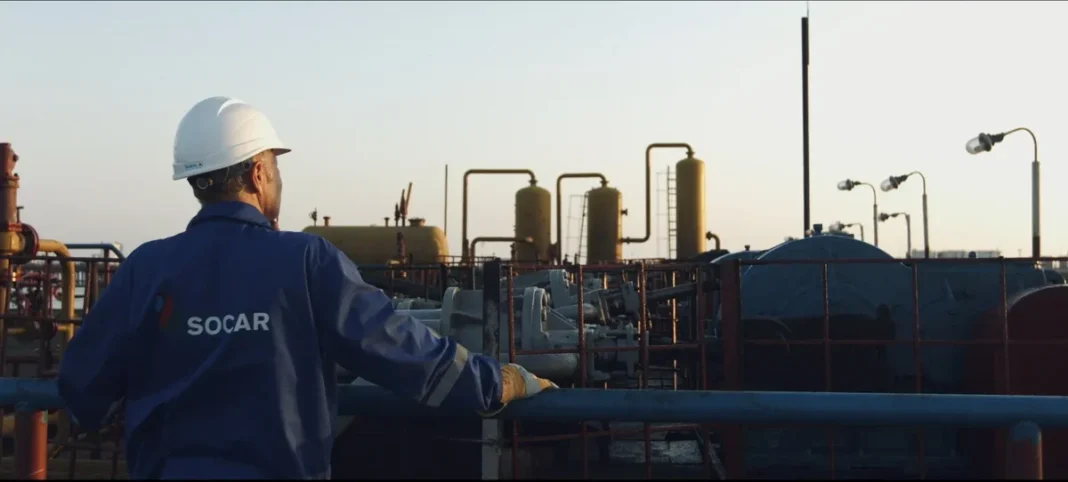
On July 1, responsibility for operating BTC and the overall management of operations on BTC and the South Caucasus Pipeline moved from BP Exploration (Caspian Sea) Limited to SOCAR Midstream Operations, a subsidiary of Azerbaijan’s state energy company SOCAR.
ACG and Shah Deniz Output Reaches 679.8 Million Tons
As of July 1, cumulative oil and gas-condensate production from the Azeri-Chirag-Gunashli block and the Shah Deniz field had reached about 679.8 million metric tons. Total gas production stood at 529.6 billion cubic meters.
ACG accounted for 625.6 million tons of oil and 251.1 billion cubic meters of gas. Shah Deniz produced about 54.2 million tons of condensate and 278.5 billion cubic meters of gas.
SOCAR holds the largest stake in the ACG project at 35.3%. Production comes from seven platforms. Central Azeri produces as much as 88,000 barrels per day, while Chirag, the oldest platform, produces about 19,300 barrels per day.