AZE.US
Russia has failed to adapt to the changing political environment in the South Caucasus and remains interested in preserving regional conflicts as a source of leverage over Armenia and Azerbaijan, according to Armenian political analyst Ruben Mehrabyan.
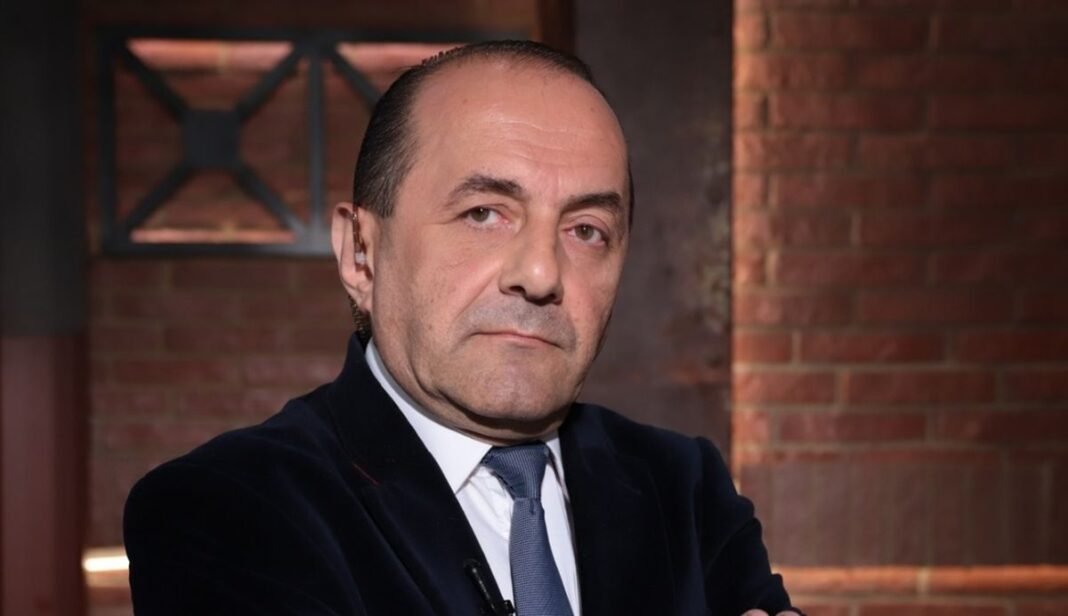
Mehrabyan, vice chairman of Armenia’s For the Republic party, made the remarks during an interview with the Russian-language service of Noyan Tapan, AZE.US reports, citing Vesti Baku.
Commenting on Prime Minister Nikol Pashinyan’s statement that Armenian-Russian relations will inevitably change, Mehrabyan said the previous model of bilateral ties had been shaped by the long-running Armenian-Azerbaijani conflict.
In his assessment, movement toward peace between Armenia and Azerbaijan is altering the regional political architecture, including Yerevan’s relationship with Moscow.
“For Armenian-Russian relations to remain as they were, Armenia would have to become involved in a conflict again,” Mehrabyan said.
He argued that Moscow continues to view the South Caucasus as a sphere of privileged influence and has difficulty treating Armenia and Azerbaijan as fully independent participants in international affairs.
Mehrabyan nevertheless rejected the suggestion that the current normalization process between Baku and Yerevan is directly controlled by Moscow.
“I want to believe that Armenian-Azerbaijani relations no longer depend on Russia,” he said. “But ensuring that they remain independent requires daily work, prudence and caution.”
TRIPP and U.S.-Armenia Relations
Mehrabyan described relations between Armenia and the United States as being at a “historic peak,” while arguing that the two countries have only begun to use the potential of their partnership.
He pointed to U.S. Secretary of State Marco Rubio’s Independence Day message to Armenia, which referred to advancing the TRIPP initiative, strengthening economic ties and encouraging American investment.
According to Mehrabyan, parliamentary ratification should follow the Armenian Constitutional Court’s review of the interstate agreement related to TRIPP. He said the next stage would involve establishing a company to build and operate the project’s infrastructure.
The initiative could benefit every country in the region, he said, although participation would ultimately depend on decisions made by individual governments.
Gandzasar Dispute
Mehrabyan also addressed the controversy surrounding the presentation of the Gandzasar monastery’s history during a recent visit by foreign diplomats to Karabakh.
He said the reaction in Armenia was caused not by the diplomats’ visit to Azerbaijani territory, but by statements about the monastery that Armenian commentators viewed as mocking Armenian cultural heritage.
Mehrabyan stressed that Armenia and Azerbaijan have recognized each other’s territorial integrity and internationally recognized borders. Azerbaijan therefore has the right to decide whom it invites to Karabakh and what events it organizes there, he said.
At the same time, he urged public officials on both sides to avoid unnecessary statements capable of offending the other society or increasing tensions.
“One may disagree with the other side, but it is still necessary to treat it respectfully,” he said. “Such actions only create additional tension.”
Mehrabyan noted that despite the emotional response to the incident, both Baku and Yerevan showed restraint and did not allow the dispute to derail the peace process. He described that response as an important signal that normalization remains a priority for both governments.
Russian Base and Armenia’s Railways
Turning to the future of Russia’s 102nd military base in Gyumri, Mehrabyan described President Vladimir Putin’s remarks about its possible withdrawal as political bluff.
He argued that the base primarily serves as an instrument of Russian influence over Armenia and the broader region, while its value to Armenia’s own security has become increasingly questionable.
Mehrabyan identified Russian management of Armenia’s railway network as a more urgent issue. He claimed the Russian presence makes the railway less attractive to some international financial institutions and could encourage the development of alternative transportation routes bypassing Armenia.
He therefore called for an end to Russian management of the country’s railways.
Mehrabyan concluded that mutual recognition of sovereignty and borders must remain the foundation of Armenian-Azerbaijani normalization, citing the Alma-Ata Declaration and subsequent agreements.
“Over the past decades, the sides have managed to hurt, offend and kill,” he said. “Now it is necessary to draw a line under that, stop looking backward and move forward.”
Mehrabyan’s remarks represent his political assessment and the position of the For the Republic party.
AZE.US