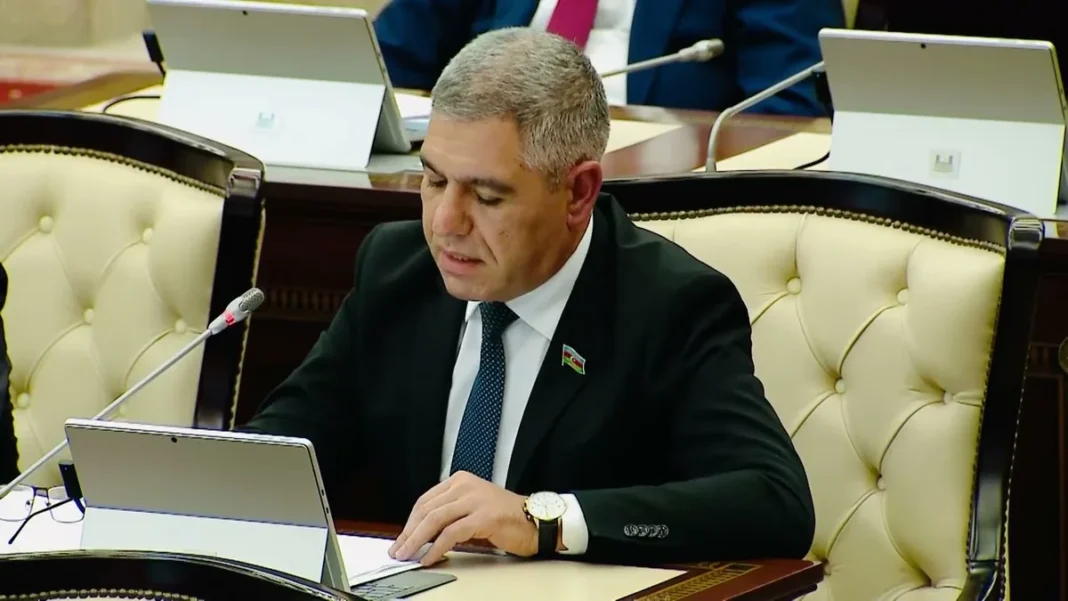
BAKU, Azerbaijan - A planned increase in Azerbaijan’s minimum wage in 2027 could affect more than 700,000 people, according to lawmaker Vugar Bayramov, as the government prepares a new round of social-policy measures announced by President Ilham Aliyev.
Bayramov said the change would cover not only employees currently earning the minimum wage but also some workers at state-funded institutions whose pay is set through the public-sector tariff system, Vesti Baku reported.
The exact new wage has not yet been announced, and officials have not given an effective date. Bayramov said, however, that the 2027 state budget is expected to include funding for the increase.
Implementing the measure would also require the Cabinet of Ministers to revise the monthly tariff rates for employees of state-funded institutions who are not civil servants, he said. That adjustment would extend the effect of the minimum-wage decision beyond workers whose salaries are formally set at the legal floor.
The estimate follows Aliyev’s announcement at the New Azerbaijan Party congress on Oct. 2 that instructions had been issued to raise the minimum wage, pensions and social allowances next year. The president did not specify the size of the increases or when they would take effect. The official transcript of the speech says the measures are intended to improve living standards and would depend on continued economic development.
Azerbaijan’s minimum monthly wage is currently 400 manats. The rate has been in force since Jan. 1, 2025, under a presidential order issued in December 2024.
An amendment to the Labor Code adopted in February 2026 requires the minimum wage to be reviewed at least once a year. The rule establishes a regular review but does not guarantee a specific percentage increase or a fixed implementation date.
Bayramov had previously said he expected the minimum wage to be raised before February 2027. He said that remains his forecast, although no official timetable has been published.
Economist Khalid Kerimli said policymakers would need to weigh several factors when setting the new rate, including inflation, labor productivity, employment levels, the average wage and the broader condition of the economy.
Bayramov also said labor pensions are expected to be indexed in early 2027 in line with growth in the average monthly wage during 2026. The final indexation rate will depend on year-end wage data and has not yet been determined.
The 700,000 figure is Bayramov’s estimate of the number of people who could be affected by the wage decision, rather than an official beneficiary count. The size and timing of the increase will become clear only after the government completes its budget and implementing decisions.