AZE.US
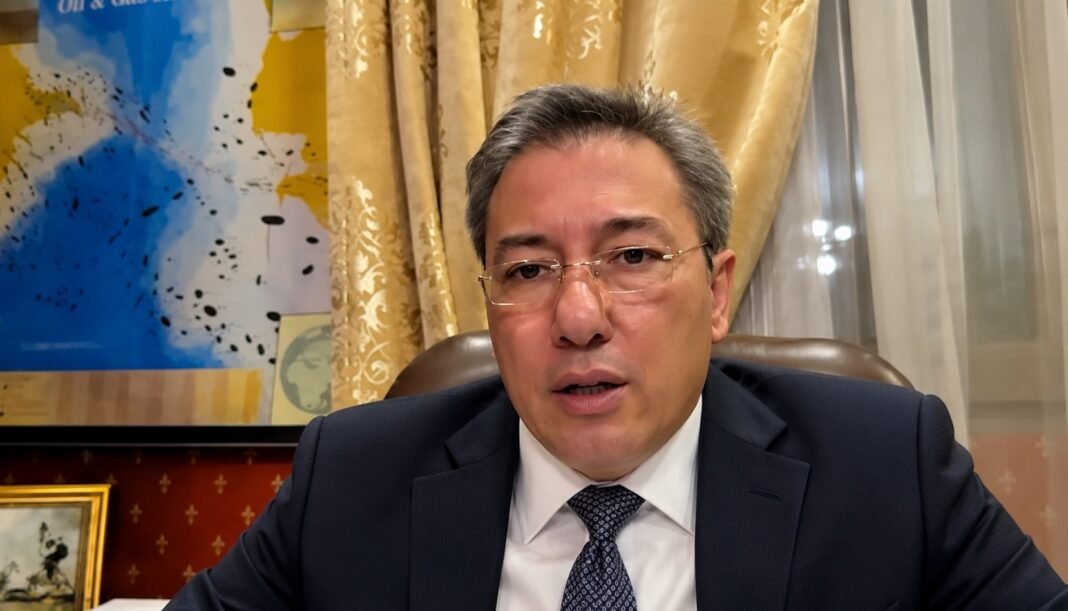
Azerbaijan evaluates weapons by their effectiveness and suitability for the country’s needs rather than the political alignment of the manufacturer, political analyst Ilgar Velizade said.
Velizade, head of the South Caucasus Political Scientists Club, said progress in the peace process with Armenia does not eliminate the need to strengthen Azerbaijan’s defense capabilities.
Speaking on Daily Europe Online, he linked military modernization, economic resilience and pragmatic diplomacy to a single objective: protecting the country’s long-term interests.
Weapons Judged by Performance
Commenting on a defense exhibition in Baku, Velizade noted that manufacturers from countries with sharply different political interests were represented at the same event. Turkish, Israeli, Russian, Belarusian and Western systems were displayed side by side, he said.
For Azerbaijan, the decisive considerations are the quality of the equipment and whether it can be used effectively under the country’s specific conditions, according to the analyst.
Political closeness to a supplier should not by itself justify buying a less effective system, he said, adding: “This is not about ideology.”
Velizade said such exhibitions allow officials and companies to compare technologies, build cooperation, sign contracts and discuss joint production. In his view, they also help Baku strengthen its role as a regional center for cooperation with foreign defense companies.
Peace Process Does Not Remove Security Concerns
Turning to Armenia, Velizade said political debates in the neighboring country matter to Azerbaijan mainly because of their possible effect on the peace process.
He argued that a significant part of Armenian society continues to view the outcome of recent years painfully and that revanchist rhetoric requires Baku to remain attentive to its own security.
Diplomacy should therefore be accompanied by continued modernization of weapons and higher combat readiness, he said, using the phrase “keep the powder dry.”
Velizade’s remarks addressed risks arising from public sentiment and political rhetoric. He did not present evidence of preparations for a new armed conflict.
Kazakhstan’s Stability as an Economic Asset
Velizade cited Kazakhstan as an example of pragmatic foreign policy. He said Astana manages relations with Russia, China and Western countries according to geography, economic ties and the needs of its own economy.
Transport and industrial supply chains create a shared interest in cooperation among neighboring states, he said. Relations between Kazakhstan and Russia should therefore be understood in terms of mutual dependence rather than as one country’s dependence on the other, he added.
Stability has direct economic value because investors need predictable conditions and confidence that long-term agreements will be honored, Velizade said.
He also cautioned against judging diplomacy by the sharpness of public statements. State policy should follow a national strategy even when its language does not match the expectations of social-media audiences, he said.
Europe Seeks Its Own Seat at the Table
European countries want direct participation in negotiations over the Russia-Ukraine war because any settlement will reshape Europe’s security order, Velizade said.
Coordination with Kyiv gives Europe influence, but it does not replace an independent place at the negotiating table, he said.
Velizade interpreted contacts between European and Russian representatives as attempts to determine whether negotiations are possible. He presented that as an assessment, not as evidence that a new diplomatic format has been agreed.
Any potential mediation by Kazakhstan would likewise depend mainly on whether the parties themselves wanted its involvement, he said. Experience alone cannot produce results if the participants in a conflict are not prepared to use a mediator.
Iraq Shows the Limits of External Influence
Discussing the legacy of the U.S. military presence in Iraq, Velizade said Washington retained some leverage but did not achieve the degree of control over Iraqi politics that it had expected.
In his assessment, participation by different ethnic and religious groups made Iraq’s political system complicated but also allowed it to rest on genuine domestic forces.
He contrasted that with Afghanistan, where the U.S.-backed government became overly dependent on a foreign military presence and could not sustain itself after that support was withdrawn.
Velizade said the broader lesson is that foreign backing, diplomatic statements and political sympathy cannot substitute for domestic resilience. Effective institutions, security and the ability to pursue national interests remain decisive for any state, he said.