AZE.US
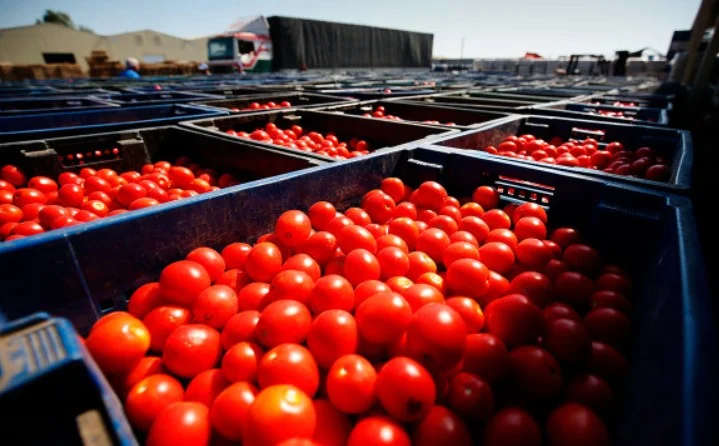
Russia still accounts for 93% of Azerbaijan’s tomato exports despite official claims that the country is expanding the geographic reach of its agricultural shipments, economist and politician Natig Jafarli said.
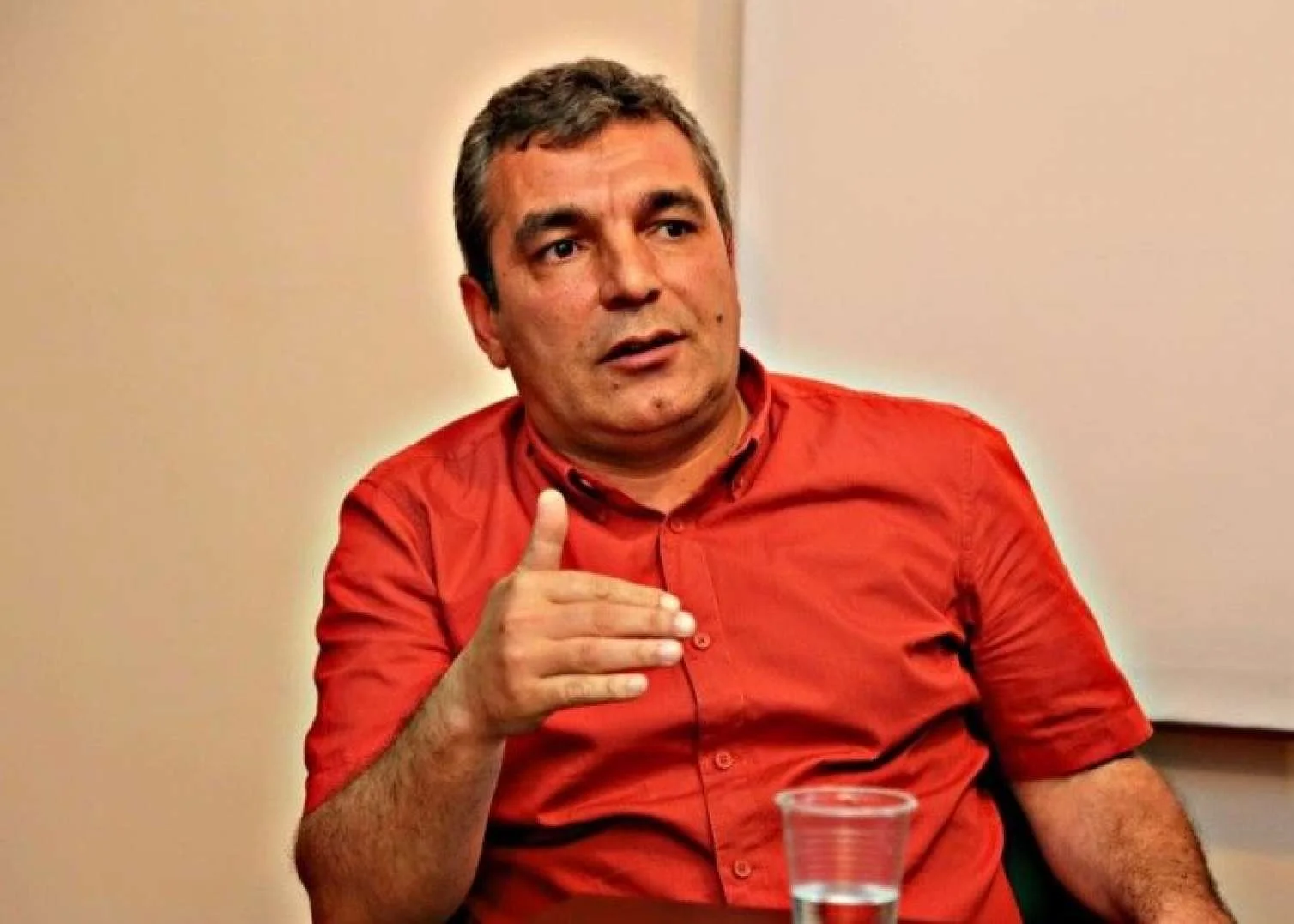
As AZE.US reports, Jafarli raised the issue in a Facebook post, arguing that the figures do not support optimistic headlines about export diversification.
According to the data he cited, 93% of tomatoes exported from Azerbaijan during the first six months of 2026 were shipped to Russia. Nearly all of the remaining 7% went to Belarus and Ukraine.
Jafarli said Azerbaijan has once again failed to take advantage of opportunities to supply its tomatoes to the European Union and Gulf countries, despite the strong reputation of Azerbaijani produce.
Such dependence on a single market poses a threat to the country’s economic security, he warned.
“Whenever Moscow wishes, it could once again claim to have discovered various diseases in Azerbaijani tomatoes and attempt to use the issue as a means of pressure on Azerbaijan,” Jafarli wrote.
He pointed to Uzbekistan as an example of broader market diversification. According to Jafarli, Uzbekistan exported 385 tons of tomatoes to the United Arab Emirates and 82 tons to France last year.
Gold Accounts for More Than 62% of “Non-Oil Exports”
Jafarli also questioned how Azerbaijan’s official non-oil export figures are presented, arguing that positive headlines often fail to reflect the actual composition of exports.
The government reported that Azerbaijan exported $5.933 billion worth of non-oil products during the first seven months of 2026. However, the largest category was gold listed under customs code 7108, which includes gold in unwrought, semi-manufactured or powder form.
Exports in this category reached $3.707 billion, accounting for more than 62% of Azerbaijan’s reported non-oil exports.
“What is the difference between black gold and yellow gold if both are natural resources given by God?” Jafarli said.
The figures suggest that Azerbaijan’s export economy remains heavily dependent on natural resources, while agricultural producers continue to rely overwhelmingly on the Russian market.
AZE.US